
The Science of Snoring: How Mouthpieces Work
Snoring is a common sleep disorder that affects millions of people worldwide. It is the result of the airway being partially obstructed during sleep, causing vibrations in the throat that produce the loud, annoying sound we all know. While snoring may seem like a minor inconvenience, it can actually have serious health consequences, including disrupted sleep, fatigue, and even an increased risk of heart disease and stroke. Luckily, there are various treatments available, including mouthpieces specifically designed to alleviate snoring. In this blog post, we will dive into the science behind snoring and explore how mouthpieces work to help reduce or eliminate this nighttime nuisance.
What Causes Snoring?
In order to understand how mouthpieces work, we must first understand what causes snoring. The most common cause of snoring is an obstruction in the airway, which can be caused by various factors such as anatomical features, allergies, or excess weight. When we sleep, our muscles relax, including those in our throat and tongue. This relaxation can cause the airway to become narrower, making it more difficult for air to flow freely. As a result, the air passing through creates vibrations, which we hear as snoring.
How Do Mouthpieces Work?
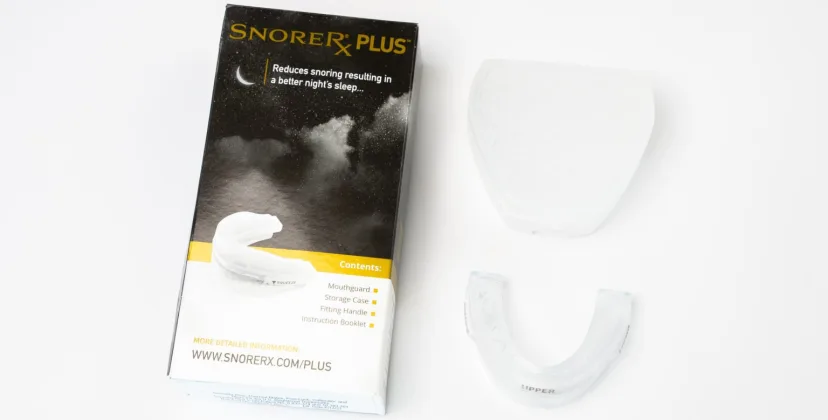
Mouthpieces, also known as oral appliances, work by keeping the airway open during sleep. There are two main types of mouthpieces: tongue retaining devices and mandibular advancement devices. Tongue retaining devices work by holding the tongue in place, preventing it from falling back and blocking the airway. On the other hand, mandibular advancement devices work by shifting the position of the jaw forward, which also helps to keep the airway open. By keeping the airway open, mouthpieces can effectively reduce or eliminate snoring.
The Science Behind Mouthpieces
While the concept of keeping the airway open may seem simple, the science behind it is more complex. In order for mouthpieces to work effectively, they must be custom-fit to the individual’s mouth and teeth. This is because everyone’s mouth and airway are unique, and a one-size-fits-all approach may not be as effective. Additionally, the position of the jaw and tongue can have a significant impact on the airway. Mouthpieces are designed to position the jaw and tongue in a way that maximizes the space in the airway, allowing for proper airflow and reducing the likelihood of snoring.
The Science of Snoring: How Mouthpieces Work
Benefits of Mouthpieces
Aside from reducing or eliminating snoring, mouthpieces have several other benefits. They are non-invasive and do not require any surgery, making them a safe and accessible option for those looking to alleviate their snoring. They are also relatively affordable compared to other snoring treatments such as surgery or continuous positive airway pressure (CPAP) machines. Additionally, mouthpieces are portable and easy to use, making them a convenient option for those who travel frequently.
Potential Side Effects
While mouthpieces are generally safe and effective, there are some potential side effects that users should be aware of. These include temporary jaw or tooth pain, excess salivation, and dry mouth. These side effects are typically mild and should subside after a few days of use. If they persist or become bothersome, it is important to consult with a healthcare professional for further guidance.
In Conclusion
Snoring can significantly impact one’s quality of life and overall health. Mouthpieces are a scientifically proven option for reducing or eliminating snoring and improving sleep quality. By keeping the airway open and aligning the jaw and tongue, these devices can effectively alleviate snoring and its potential consequences. It is important to consult with a healthcare professional to determine the best mouthpiece for individual needs and to ensure proper fit and usage. With the right mouthpiece, a good night’s sleep without the disruptive sounds of snoring is within reach.
Summary:
Snoring is a common sleep disorder that can have serious health consequences. It is caused by an obstruction in the airway, which creates vibrations that produce the loud snoring sound. Mouthpieces, or oral appliances, work by keeping the airway open during sleep. There are two main types of mouthpieces: tongue retaining devices and mandibular advancement devices. They work by holding the tongue in place or shifting the position of the jaw forward, respectively. The science behind mouthpieces involves custom-fitting them to the individual’s mouth and teeth to maximize the space in the airway. Mouthpieces have several benefits, including non-invasiveness, affordability, and portability. However, there are potential side effects such as temporary jaw or tooth pain. It is important to consult with a healthcare professional before using a mouthpiece. With the right mouthpiece, snoring can be reduced or eliminated, leading to better sleep quality and overall health.