
Blog Post: The Silent Solution: How a Mouthpiece Can Quiet Snoring and Ease Nasal Congestion
Snoring and nasal congestion are common problems that affect millions of people worldwide. While they may seem harmless, they can actually have a significant impact on one’s quality of life. Snoring can disrupt sleep for both the snorer and their partner, leading to fatigue, irritability, and even relationship issues. Nasal congestion, on the other hand, can make it difficult to breathe and cause a variety of uncomfortable symptoms such as headaches, fatigue, and difficulty concentrating. Fortunately, there is a silent solution that can effectively address both snoring and nasal congestion – a mouthpiece.
In this blog post, we will explore the benefits of using a mouthpiece to quiet snoring and ease nasal congestion. We will discuss how snoring and nasal congestion occur, the different types of mouthpieces available, and how to choose the right one for you. So, let’s dive in and discover how this simple device can provide a silent solution to these common problems.
Understanding Snoring and Nasal Congestion
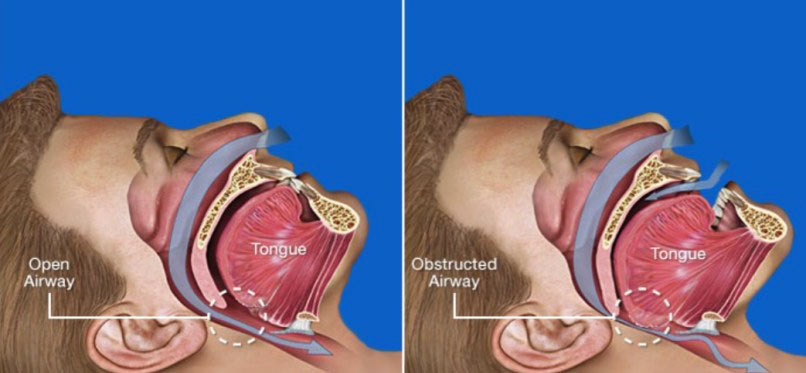
Before we delve into the benefits of a mouthpiece, it’s important to understand why snoring and nasal congestion occur. Snoring is a result of the relaxation of the muscles in the throat and tongue, which then collapse and block the airway. This causes vibrations that produce the familiar snoring sound. While occasional snoring may not be a cause for concern, chronic snoring can be a sign of a more serious underlying issue such as sleep apnea.
Nasal congestion, on the other hand, occurs when the nasal passages become inflamed and swollen, making it difficult to breathe through the nose. This can be caused by allergies, colds, or sinus infections. Nasal congestion can also lead to snoring as the body compensates for the blocked nasal passages by breathing through the mouth, resulting in the vibrations that cause snoring.
The Role of Mouthpieces
Mouthpieces, also known as oral appliances, are devices that are placed in the mouth to modify the position of the jaw, tongue, and soft palate to keep the airway open. They are typically made of soft and flexible material, making them comfortable to wear while sleeping. There are two main types of mouthpieces – mandibular advancement devices (MADs) and tongue retaining devices (TRDs).
MADs work by slightly pushing the lower jaw forward, which helps to keep the airway open by preventing the tongue and soft tissues from collapsing into the throat. This, in turn, reduces snoring and improves airflow. TRDs, on the other hand, work by holding the tongue in a forward position, keeping it from blocking the airway. TRDs may be a better option for those with a smaller jaw or those who have dental issues that prevent them from using MADs.
Choosing the Right Mouthpiece
With so many mouthpieces available on the market, it can be overwhelming to choose the right one. Here are some factors to consider when selecting a mouthpiece:
1. Comfort: Since you will be wearing the mouthpiece while sleeping, it’s crucial to choose one that is comfortable and doesn’t cause any pain or discomfort.
The Silent Solution: How a Mouthpiece Can Quiet Snoring and Ease Nasal Congestion
2. Customization: Some mouthpieces can be customized to fit your mouth perfectly, providing the most effective results.
3. Material: Mouthpieces can be made of different materials, such as soft plastic or silicone. Consider which material would be most comfortable for you.
4. Breathing holes: Some mouthpieces have breathing holes to ensure proper airflow. If you are a mouth breather, this may be an important feature to look for.
5. Reviews: Before purchasing a mouthpiece, it’s a good idea to read reviews from other users to get an idea of their experiences and the effectiveness of the product.
Benefits of Using a Mouthpiece
Now that we understand how mouthpieces work and how to choose the right one, let’s explore the benefits of using a mouthpiece to address snoring and nasal congestion.
1. Reduced Snoring: As mentioned earlier, mouthpieces work by keeping the airway open, reducing the vibrations that cause snoring. This results in a quieter and more peaceful night’s sleep for both the snorer and their partner.
2. Improved Sleep Quality: Snoring and nasal congestion can disrupt sleep and prevent you from getting the restful sleep you need. By addressing these issues, a mouthpiece can help improve sleep quality and leave you feeling more rested and energized in the morning.
3. Increased Oxygen Intake: By keeping the airway open, a mouthpiece allows for better airflow, leading to increased oxygen intake. This is especially beneficial for those who suffer from sleep apnea or have trouble breathing through their nose due to nasal congestion.
4. Non-Invasive: Unlike other solutions for snoring and nasal congestion, such as surgery or medication, mouthpieces are non-invasive and do not have any side effects.
5. Cost-Effective: Mouthpieces are a more affordable option compared to other treatments for snoring and nasal congestion, making them accessible for those on a budget.
In summary, a mouthpiece can effectively address snoring and nasal congestion, leading to a better night’s sleep and improved overall health. By understanding how snoring and nasal congestion occur and considering the factors mentioned above, you can choose the right mouthpiece for your needs. So, if you or your partner are struggling with snoring or nasal congestion, consider giving a mouthpiece a try for a silent solution to these common problems.