
Blog Post:
Do you often hit the snooze button multiple times in the morning? Are you constantly feeling tired and fatigued throughout the day, no matter how much sleep you get? If so, you may be experiencing the effects of the snooze-fatigue connection. In this blog post, we will explore the relationship between snoozing and fatigue, and provide you with tips on how to break the cycle and improve your energy levels.
First, let’s understand what snooze and fatigue actually mean. Snooze refers to the act of hitting the snooze button on your alarm clock, which allows you to delay the sound of the alarm for a few extra minutes. Fatigue, on the other hand, is a state of physical or mental exhaustion that can result from various factors, including lack of sleep, stress, poor diet, and more.
Now, let’s delve into the connection between snoozing and fatigue. When you hit the snooze button and go back to sleep, you are interrupting your natural sleep cycle. This can lead to sleep fragmentation, which means your sleep is broken into smaller, less restful chunks. As a result, you may not be getting the deep, restorative sleep your body needs. This can leave you feeling groggy and fatigued when you finally wake up.
Furthermore, hitting the snooze button multiple times can also disrupt your body’s internal clock, also known as the circadian rhythm. This rhythm helps regulate your sleep-wake cycle and is affected by external factors, such as light and temperature. When you repeatedly interrupt your sleep, your body’s internal clock becomes confused, leading to feelings of fatigue and even insomnia.
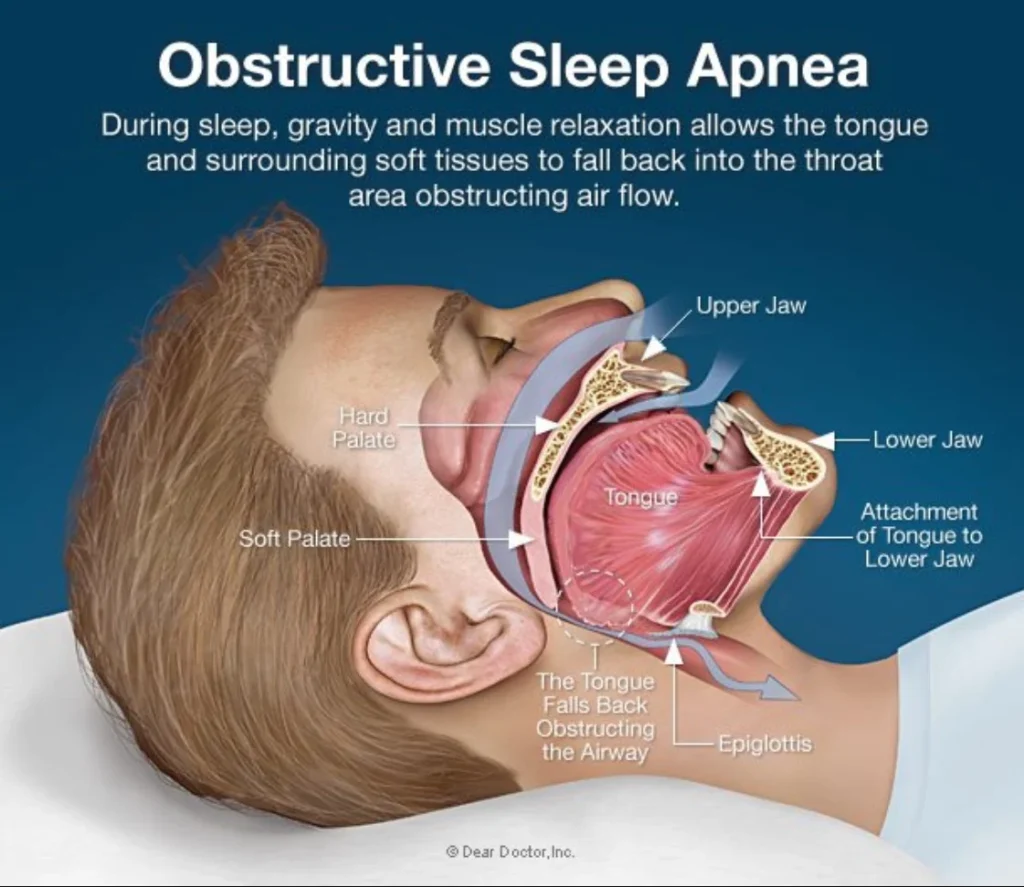
The Snooze-Fatigue Connection: What You Need to Know
In addition to disrupting your sleep, snoozing can also have negative effects on your mental health. When you hit the snooze button, you are essentially telling your brain that you don’t want to wake up and face the day. This can create a negative mindset and make it harder for you to get out of bed and be productive. This negative cycle can lead to feelings of stress, anxiety, and even depression.
So, what can you do to break the snooze-fatigue connection? The first step is to set a consistent wake-up time and stick to it. This will help regulate your body’s internal clock and improve the quality of your sleep. Additionally, avoid hitting the snooze button and try to get up as soon as your alarm goes off. This may be difficult at first, but with practice, you can train your body to wake up without the need for multiple snoozes.
Another important factor in improving your energy levels is creating a healthy sleep environment. Make sure your bedroom is dark, cool, and quiet to promote better sleep. Avoid using electronic devices before bed, as the blue light emitted can disrupt your body’s production of melatonin, the hormone that helps you sleep.
In addition to creating a healthy sleep routine, it’s also crucial to address any underlying issues that may be causing your fatigue. This could include stress management techniques, such as meditation or exercise, or making dietary changes to ensure you are getting proper nutrition. It’s also important to consult with a doctor if your fatigue persists, as it could be a symptom of a larger health issue.
In summary, the snooze-fatigue connection is a vicious cycle that can leave you feeling exhausted and unproductive. By understanding the negative effects of snoozing and taking steps to improve your sleep habits, you can break this cycle and improve your energy levels. Remember to set a consistent wake-up time, create a healthy sleep environment, and address any underlying issues that may be contributing to your fatigue. With these changes, you can wake up feeling refreshed and ready to take on the day.