
Blog Post Title: The Snore-Fatigue Connection: Tips for Better Sleep and Energy
Summary:
Do you regularly wake up feeling tired and groggy, even after a full night’s sleep? If so, you may be suffering from a common and often overlooked issue: snoring. Snoring not only disrupts your own sleep, but it can also affect your partner’s sleep and overall quality of life. In addition, snoring has been linked to fatigue, which can have a significant impact on your daily activities and productivity.
In this blog post, we will explore the snore-fatigue connection and provide tips for better sleep and energy. By understanding the causes of snoring and implementing some simple lifestyle changes, you can improve your sleep and wake up feeling refreshed and energized.
What Causes Snoring?
Snoring occurs when the airway is partially blocked, causing vibrations in the throat as air passes through. This can be caused by various factors, such as:
1. Obstructed Nasal Passages: Nasal congestion, allergies, or a deviated septum can all contribute to snoring.
2. Poor Sleep Position: Sleeping on your back can cause your tongue and soft tissues to fall back and block your airway, leading to snoring.
3. Alcohol and Sedatives: These substances relax the muscles in your throat, making it more likely for snoring to occur.
4. Excess Weight: Extra weight around the neck and throat can put pressure on the airway, making it more likely to collapse during sleep.
5. Age: As we get older, our throat muscles tend to weaken, making snoring more common.
The Snore-Fatigue Connection
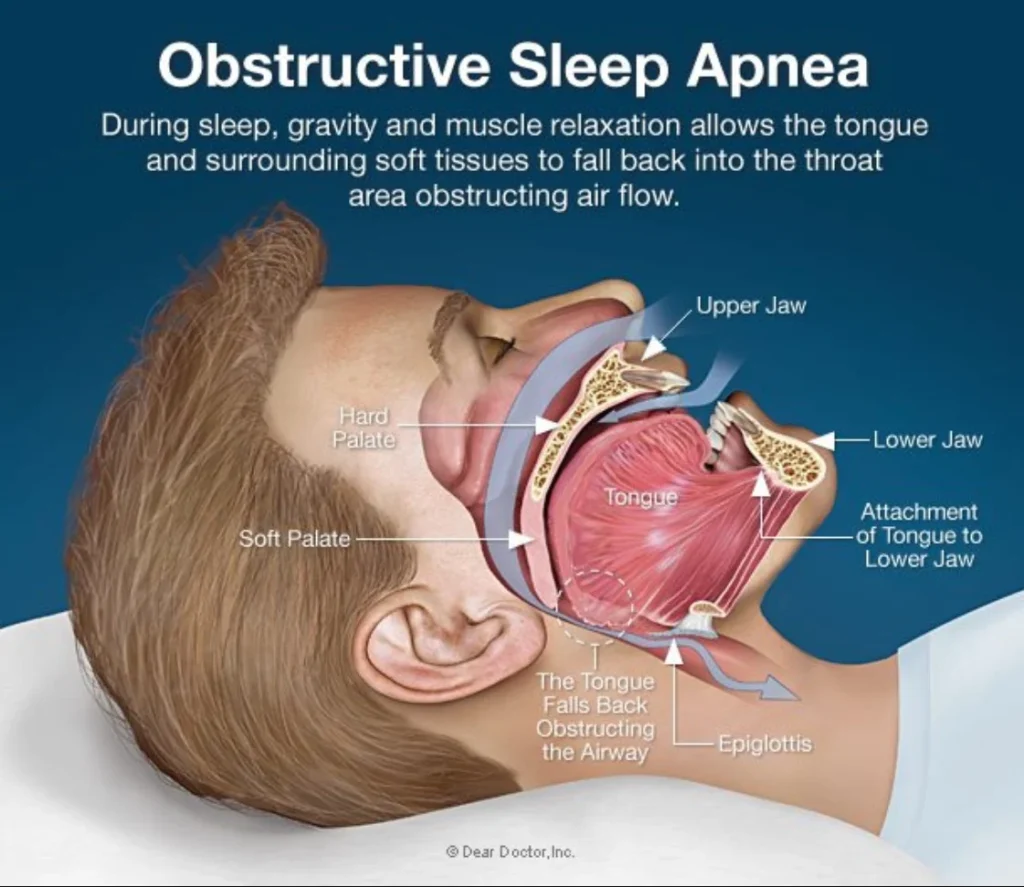
The Snore-Fatigue Connection: Tips for Better Sleep and Energy
Snoring not only disrupts your own sleep, but it can also lead to fatigue. When you snore, your body is not getting enough oxygen, causing you to wake up throughout the night. This results in poor quality sleep, leaving you feeling tired and unrested in the morning.
In addition, snoring can cause your partner to lose sleep as well, leading to a strain on your relationship and potential sleep disturbances for both of you.
Tips for Better Sleep and Energy
1. Maintain a Healthy Weight: As mentioned earlier, excess weight can contribute to snoring. By maintaining a healthy weight through a balanced diet and regular exercise, you can reduce the pressure on your airway and decrease snoring.
2. Change Your Sleep Position: If you tend to snore while sleeping on your back, try sleeping on your side instead. You can also elevate your head with an extra pillow to keep your airway open.
3. Keep Your Nasal Passages Clear: If you suffer from allergies or nasal congestion, use a saline spray or nasal strips to keep your nasal passages clear.
4. Avoid Alcohol and Sedatives: These substances relax the muscles in your throat, making it easier for snoring to occur. Avoid consuming them before bedtime to improve the quality of your sleep.
5. Consider a Snoring Aid: There are various products on the market, such as nasal dilators or mouthpieces, that can help keep your airway open and reduce snoring.
6. Consult a Doctor: If snoring persists despite making lifestyle changes, it is important to consult a doctor. They can examine your airway and determine if there are any underlying issues that need to be addressed.
In addition to these tips, it is important to prioritize good sleep hygiene. This includes establishing a consistent sleep schedule, creating a comfortable sleep environment, and avoiding screens and stimulating activities before bedtime.
In Conclusion
Snoring can have a significant impact on your sleep and overall well-being. By understanding the snore-fatigue connection and implementing these tips, you can improve your sleep and wake up feeling more rested and energized. Remember to consult a doctor if snoring persists, as it could be a sign of a more serious underlying issue.