
Blog Post: The Snore-Fatigue Connection: Tips for Restful Sleep and Increased Energy
Loud, constant snoring can be quite a nuisance for both the snorer and their sleep partner. However, snoring is more than just an annoyance – it can be a sign of a serious underlying health issue. Snoring is often associated with fatigue and lack of energy, and this is not a coincidence. In fact, there is a strong connection between snoring and fatigue that can seriously impact one’s quality of life. In this blog post, we will explore the snore-fatigue connection and provide tips for achieving restful sleep and increased energy.
Understanding the Snore-Fatigue Connection
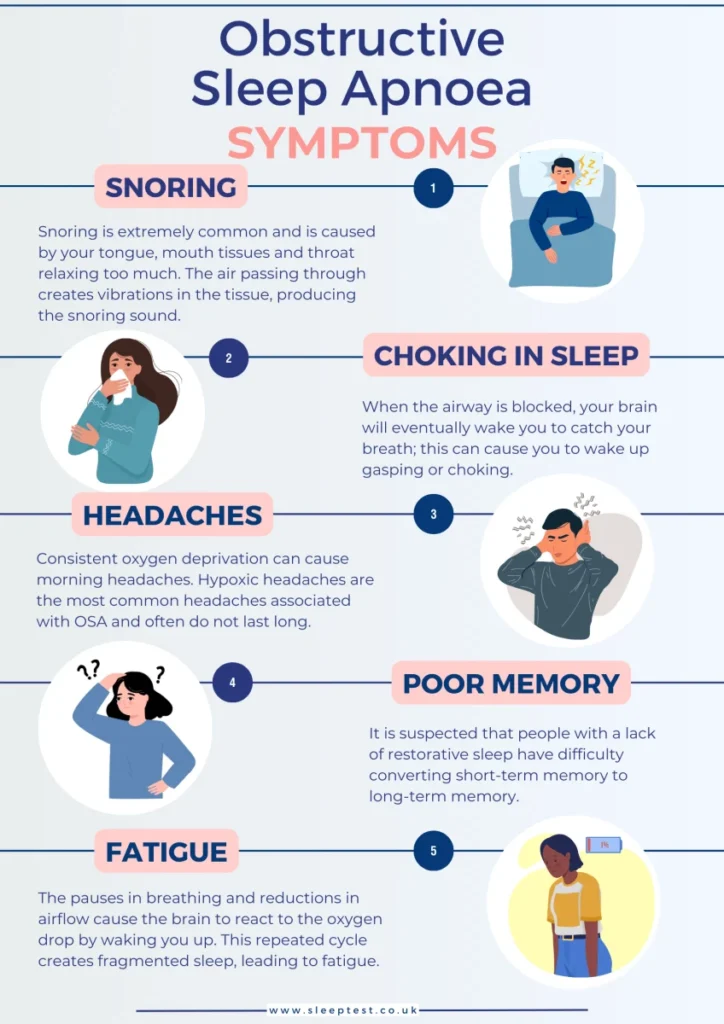
Snoring occurs when the airway is partially obstructed during sleep, causing vibrations in the throat and nose. This obstruction can be caused by various factors, such as a deviated septum, enlarged tonsils, or excess weight. While snoring itself is not a serious health concern, it can be a symptom of a more serious condition known as obstructive sleep apnea (OSA).
OSA is a sleep disorder in which the airway becomes completely blocked, leading to pauses in breathing and a drop in oxygen levels. This interrupts the natural sleep cycle and prevents the individual from getting quality sleep. As a result, people with OSA often feel fatigued and lack energy during the day.
Tips for Restful Sleep and Increased Energy
1. Maintain a Healthy Weight
Excess weight is a common cause of snoring and OSA. The extra weight can put pressure on the airway and cause it to collapse, leading to snoring and interruptions in breathing. Therefore, maintaining a healthy weight through a balanced diet and regular exercise can help reduce snoring and improve sleep quality.
2. Avoid Alcohol and Sedatives Before Bedtime
Alcohol and sedatives can relax the muscles in the throat and worsen snoring and sleep apnea. It is best to avoid consuming these substances before bedtime to ensure a better night’s sleep.
The Snore-Fatigue Connection: Tips for Restful Sleep and Increased Energy
3. Use a Humidifier
Dry air can irritate and inflame the airway, making snoring worse. Using a humidifier in the bedroom can help add moisture to the air and reduce snoring.
4. Elevate Your Head
Sleeping with your head elevated can help keep the airway open and reduce snoring. This can be achieved by using a thicker pillow or raising the head of the bed by a few inches.
5. Try Nasal Strips or Oral Appliances
Nasal strips can help open up the nasal passages and improve airflow, reducing snoring. Oral appliances, on the other hand, can help keep the airway open by repositioning the jaw during sleep.
6. Consult a Doctor
If snoring persists despite trying these tips, it is important to consult a doctor. They can assess the underlying cause of snoring and provide appropriate treatment, such as a continuous positive airway pressure (CPAP) machine for OSA.
The Importance of Quality Sleep
Aside from reducing snoring, getting quality sleep is essential for overall health and well-being. Lack of sleep can lead to a variety of health problems, including fatigue, irritability, difficulty concentrating, and a weakened immune system. Therefore, it is crucial to prioritize restful sleep to improve energy levels and overall health.
In conclusion, snoring and fatigue are closely linked, and addressing snoring can significantly improve energy levels and overall quality of life. By following these tips and seeking medical attention when necessary, individuals can achieve restful sleep and increased energy levels.
In summary, snoring and fatigue are connected, and snoring can be a sign of a more serious sleep disorder. Maintaining a healthy weight, avoiding alcohol and sedatives, using a humidifier, elevating your head, trying nasal strips or oral appliances, and consulting a doctor are all ways to reduce snoring and improve sleep quality. Prioritizing restful sleep is crucial for overall health and well-being.