
The Snore Stoppers: 6 Effective Anti-Snoring Devices You Need
Snoring is a common problem that affects millions of people worldwide. It not only disrupts the sleep of the snorer but also their partner, leading to a lack of quality rest and potentially causing relationship issues. While snoring may seem like a harmless annoyance, it can also be a sign of a more serious underlying health condition such as sleep apnea. Luckily, there are numerous anti-snoring devices available in the market that can help alleviate this issue. In this blog post, we will discuss the top 6 effective anti-snoring devices known as the Snore Stoppers that you need to try.
1. Mandibular Advancement Devices (MADs)
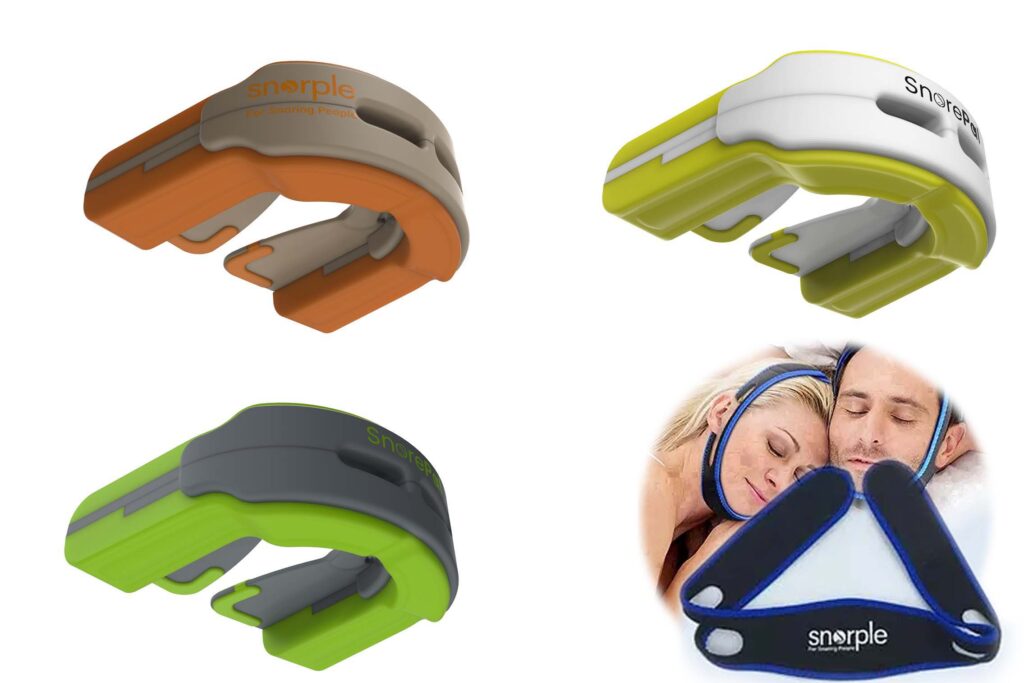
Mandibular Advancement Devices, also known as mouthpieces, are one of the most popular and effective snore stoppers. These devices work by repositioning the lower jaw and tongue, opening up the airway and reducing snoring. They are custom-made to fit the individual’s mouth and can be worn comfortably throughout the night. MADs are also recommended by doctors for patients with mild to moderate sleep apnea. It is essential to get a MAD from a reputable company and have it professionally fitted for maximum effectiveness.
2. Nasal Dilators
Nasal dilators are small, flexible devices that are inserted into the nostrils to help keep the airway open. They work by widening the nasal passages, allowing for better airflow and reducing snoring. These devices are particularly useful for individuals who have nasal congestion or a deviated septum. Nasal dilators come in different forms, such as nasal strips, cones, and clips, and can be easily worn during sleep without causing discomfort.
3. Continuous Positive Airway Pressure (CPAP) Machine
The Snore Stoppers: 6 Effective Anti-Snoring Devices You Need
A CPAP machine is a common treatment for sleep apnea. It works by delivering a continuous stream of air through a mask worn over the nose or mouth. The increased air pressure helps keep the airway open, preventing snoring and improving breathing. While CPAP machines may not be the most comfortable option, they are highly effective in treating sleep apnea and reducing snoring.
4. Tongue Stabilizing Devices (TSDs)
Tongue Stabilizing Devices are similar to MADs, but instead of repositioning the jaw, they work by holding the tongue in place. The device is placed between the inner lips and the outer teeth, and a suction bulb pulls the tongue forward, keeping it from blocking the airway. TSDs are an effective option for individuals with a tongue-based snoring problem and are relatively easy to use.
5. Anti-Snoring Pillows
Anti-snoring pillows are designed to keep the head and neck in a specific position that promotes better breathing and reduces snoring. These pillows are made with special materials that provide adequate support and align the head and neck properly. They are particularly useful for individuals who snore due to sleeping on their back, as the pillow prevents this position and encourages side sleeping.
6. Smart Snoring Monitors
Smart snoring monitors are innovative devices that use advanced technology to detect and analyze snoring. They are worn on the wrist or placed under the pillow and monitor the snorer’s sleep patterns, including the intensity and frequency of snoring. Some smart snoring monitors come with a mobile app that provides detailed reports and recommendations for improving sleep quality. They are an excellent option for individuals who want to track their snoring and sleep habits.
In conclusion, snoring can be a nuisance, but it can also indicate a more serious health issue. The Snore Stoppers mentioned above are effective in reducing snoring and promoting better sleep. However, it is essential to consult a doctor if snoring persists, as it could be a sign of sleep apnea or other underlying health conditions. With the help of these anti-snoring devices, you and your partner can finally enjoy a peaceful and restful night’s sleep.