
Snoring is a common problem that affects millions of people around the world. Not only can it be disruptive to one’s own sleep, but it can also disturb the sleep of others, causing tension and frustration in personal relationships. For some, snoring is a minor annoyance, but for others, it can be a sign of a more serious underlying issue such as sleep apnea. Fortunately, there are various solutions available to help reduce or eliminate snoring, one of which is using a mouthpiece. In this blog post, we will discuss the benefits of using a mouthpiece for better sleep and provide a guide for those looking to try this method for themselves.
What is a Mouthpiece for Better Sleep?
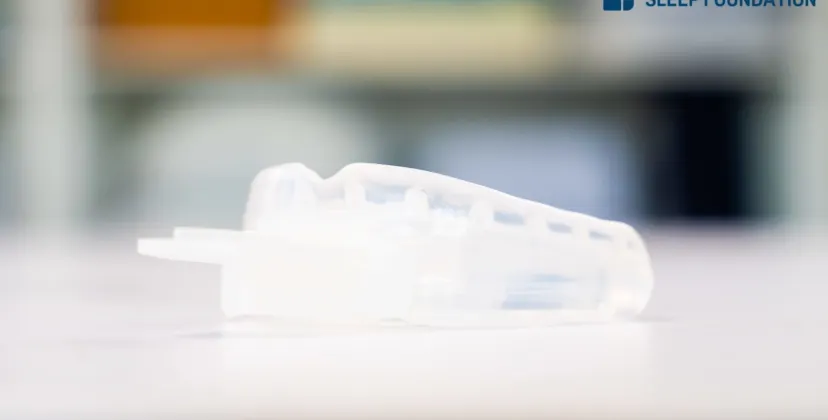
A mouthpiece, also known as a mouthguard or oral appliance, is a device that is worn in the mouth during sleep to help improve breathing and reduce snoring. It is typically made of plastic and is custom-fit to the individual’s mouth by a dentist or orthodontist. There are two main types of mouthpieces for better sleep: mandibular advancement devices (MADs) and tongue retaining devices (TRDs).
Mandibular Advancement Devices (MADs)
MADs work by holding the lower jaw (mandible) slightly forward during sleep, which helps to keep the airway open and reduce snoring. These devices are typically adjustable, allowing the user to find the most comfortable position for their jaw. MADs are often recommended for those with mild to moderate obstructive sleep apnea (OSA) or snoring caused by the jaw falling back during sleep.
Tongue Retaining Devices (TRDs)
TRDs work by holding the tongue in a forward position, preventing it from blocking the airway and causing snoring. Unlike MADs, TRDs do not adjust the position of the jaw and are often recommended for those with severe OSA or a larger tongue that may obstruct the airway during sleep.
Benefits of Using a Mouthpiece for Better Sleep
1. Reduces Snoring
The most obvious benefit of using a mouthpiece for better sleep is that it helps to reduce snoring. By keeping the airway open and preventing the tongue or jaw from falling back, the device can significantly decrease the intensity and frequency of snoring. This not only leads to a more peaceful sleep for the user but also for their partner or roommates.
2. Improves Breathing
Snoring is often caused by a blockage or restriction in the airway, making it difficult to breathe properly during sleep. A mouthpiece can help to improve breathing by keeping the airway open and allowing for a smoother flow of air. This can be especially beneficial for those with sleep apnea or other respiratory issues.
3. Non-Invasive Solution
Compared to other treatments for snoring or sleep apnea, such as surgery or continuous positive airway pressure (CPAP) machines, using a mouthpiece is a non-invasive solution. It does not require any major procedures or equipment, making it a more comfortable and convenient option for many people.
4. Customizable
The Snorer's Guide to Using a Mouthpiece for Better Sleep
Unlike over-the-counter snoring remedies, a mouthpiece is custom-fit to each individual’s mouth. This means that it is more comfortable to wear and can be adjusted to suit the specific needs of the user. It also ensures that the device is effective in reducing snoring and improving sleep quality.
5. Portable
Mouthpieces are small and lightweight, making them easy to travel with. They can be taken on vacations, business trips, or even camping trips without taking up much space in luggage. This allows for consistent use of the device, leading to better sleep no matter where you are.
Guide to Using a Mouthpiece for Better Sleep
1. Consult with a Dentist or Orthodontist
Before using a mouthpiece, it is important to consult with a dentist or orthodontist. They will be able to assess your specific needs and determine if a mouthpiece is the right solution for you. They can also provide a custom-fit device, ensuring its effectiveness and comfort.
2. Choose the Right Type of Mouthpiece
As mentioned earlier, there are two main types of mouthpieces for better sleep: MADs and TRDs. It is important to determine which one is best suited for your needs. If you have mild to moderate OSA or snoring caused by the jaw falling back, a MAD may be the best option. If you have severe OSA or a larger tongue, a TRD may be more effective.
3. Adjust the Mouthpiece
Once you have your mouthpiece, it is essential to adjust it properly for maximum effectiveness. This may involve trial and error to find the most comfortable position for your jaw or tongue. Be sure to follow the instructions provided by your dentist or orthodontist for proper adjustment.
4. Consistent Use
For a mouthpiece to be effective, it must be used consistently. It may take some time to get used to wearing it, but it is important to continue using it every night for the best results. Skipping nights or only using it occasionally will not provide the desired outcome.
5. Proper Maintenance
To prolong the lifespan of your mouthpiece and ensure its effectiveness, proper maintenance is crucial. Clean it regularly with a toothbrush and toothpaste, and be sure to store it in a case when not in use. Replace the device as recommended by your dentist or orthodontist.
In summary, snoring can be a disruptive and frustrating issue, but it doesn’t have to be a permanent one. Using a mouthpiece for better sleep can provide numerous benefits, such as reducing snoring, improving breathing, and being a non-invasive and customizable solution. By following the guide provided, individuals can effectively use a mouthpiece to achieve a more restful and peaceful night’s sleep.