
The Surprising Connection Between Jaw Alignment and Sleep Apnea
Sleep apnea is a common sleep disorder that affects millions of people worldwide. It is characterized by pauses in breathing or shallow breathing during sleep, leading to poor quality sleep and a range of negative health effects. While the exact cause of sleep apnea is still unknown, researchers have discovered a surprising connection between jaw alignment and this disorder. In this blog post, we will delve into this connection and explore how jaw alignment can impact sleep apnea.
What is Sleep Apnea?
Before we dive into the link between jaw alignment and sleep apnea, let’s first understand what sleep apnea is. Sleep apnea is a sleep disorder that causes interruptions in breathing while sleeping. These interruptions can last from a few seconds to a few minutes and can occur multiple times throughout the night. As a result, sleep apnea disrupts the normal sleep cycle, leading to poor quality sleep and a range of health issues.
There are three main types of sleep apnea: obstructive sleep apnea, central sleep apnea, and complex sleep apnea syndrome. Obstructive sleep apnea (OSA) is the most common type and occurs when the muscles in the back of the throat relax, causing the airway to narrow or close completely. Central sleep apnea (CSA) is a less common type and occurs when the brain fails to send proper signals to the muscles that control breathing. Complex sleep apnea syndrome (CSAS) is a combination of both OSA and CSA.
The Link Between Jaw Alignment and Sleep Apnea
Recent studies have shown a surprising connection between jaw alignment and sleep apnea. The position of the jaw has a significant impact on the airway and can contribute to the development or worsening of sleep apnea. This is because the jaw plays a crucial role in maintaining the patency of the upper airway during sleep.
The upper airway is a passageway that connects the nose and mouth to the lungs, allowing air to flow in and out of the body. The muscles in the jaw help keep the upper airway open by supporting the tongue and soft tissues in the throat. However, if the jaw is not aligned properly, it can cause these muscles to relax, leading to a narrower airway and increased risk of sleep apnea.
How Jaw Alignment Affects Sleep Apnea
When the jaw is misaligned, it can cause several issues that contribute to sleep apnea. These include:
1. Narrowed Airway: As mentioned earlier, the jaw plays a vital role in keeping the upper airway open. When the jaw is not aligned correctly, it can cause the tongue and soft tissues in the throat to fall back, narrowing the airway. This can lead to obstructive sleep apnea.
2. Poor Breathing Control: The position of the jaw also affects the muscles that control breathing. Misalignment can cause these muscles to relax, leading to shallow breathing or pauses in breathing, which are characteristic of sleep apnea.
3. Inflammation and Swelling: Misalignment of the jaw can also cause inflammation and swelling in the tissues of the throat, making the airway even narrower and increasing the risk of sleep apnea.
The Surprising Connection Between Jaw Alignment and Sleep Apnea
4. TMJ Disorder: The temporomandibular joint (TMJ) is the joint that connects the jaw to the skull. Misalignment of the jaw can put pressure on this joint, leading to TMJ disorder. This can cause pain and discomfort, making it difficult to sleep and contributing to sleep apnea.
How Jaw Alignment Can Improve Sleep Apnea
The good news is that correcting jaw alignment can help improve sleep apnea symptoms. By aligning the jaw, the airway can be kept open, reducing the risk of obstructions and pauses in breathing. This can lead to better quality sleep and a range of other health benefits.
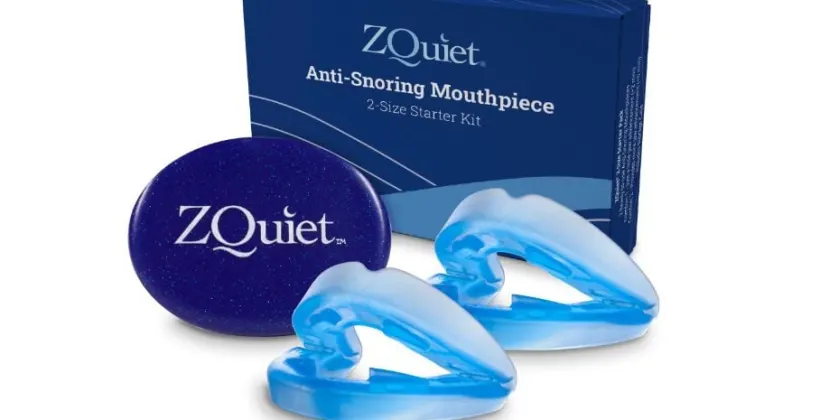
One way to align the jaw is through the use of oral appliances. These devices are custom-made to fit the individual’s mouth and are worn during sleep to keep the jaw in a more forward position. This helps keep the airway open and can significantly improve sleep apnea symptoms.
Another option is orthodontic treatment, which involves correcting the position of the teeth and jaw through the use of braces or other dental appliances. This can also help improve jaw alignment and reduce sleep apnea symptoms.
Other Treatments for Sleep Apnea
While correcting jaw alignment can help improve sleep apnea, it is not the only treatment option available. Depending on the severity and type of sleep apnea, other treatments may be recommended, including:
1. Continuous Positive Airway Pressure (CPAP) Therapy: This involves wearing a mask over the nose and/or mouth during sleep, which delivers a continuous flow of air to keep the airway open.
2. Lifestyle Changes: Making changes to lifestyle habits such as losing weight, quitting smoking, and avoiding alcohol can help improve sleep apnea symptoms.
3. Surgery: In severe cases, surgery may be recommended to correct any physical issues that contribute to sleep apnea.
Summary
Although the exact cause of sleep apnea is still unknown, researchers have found a surprising connection between jaw alignment and this sleep disorder. Misalignment of the jaw can cause a range of issues that contribute to sleep apnea, including a narrowed airway, poor breathing control, inflammation, and TMJ disorder. However, correcting jaw alignment through oral appliances or orthodontic treatment can significantly improve sleep apnea symptoms. Other treatment options include CPAP therapy, lifestyle changes, and surgery in severe cases.
In conclusion, the position of the jaw plays a crucial role in the development and severity of sleep apnea. By understanding this connection and seeking appropriate treatment, individuals with sleep apnea can improve their quality of sleep and overall health.