
Blog Post:
Snoring can be a major issue for athletes, as it not only disrupts their sleep but can also affect their performance. Many athletes turn to various remedies and devices to reduce snoring, but one surprising solution that has gained popularity in recent years is nasal irrigation. This simple practice, also known as nasal flushing or nasal rinsing, involves using a saline solution to clear out the nasal passages. While it may seem unrelated, there is actually a strong connection between nasal irrigation and reduced snoring in athletes. In this blog post, we will explore this surprising connection and how nasal irrigation can benefit athletes in their quest for a better night’s sleep.
The Link Between Nasal Irrigation and Snoring
First, let’s understand why athletes are more prone to snoring. According to Dr. Jordan Stern, an ear, nose, and throat specialist, athletes tend to have a higher prevalence of snoring due to their increased muscle mass. The muscles in the throat and tongue can become relaxed during sleep, causing them to collapse and obstruct the airway, leading to snoring. Additionally, intense physical activity can also contribute to nasal congestion and inflammation, making it harder for air to pass through the nose and increasing the likelihood of snoring.
This is where nasal irrigation comes in. By flushing out the nasal passages, athletes can reduce congestion and inflammation, making it easier for air to flow through the nose. This can help alleviate snoring and improve sleep quality.
Nasal Irrigation and Improved Breathing
Nasal irrigation not only helps reduce snoring but can also improve breathing in athletes. Many athletes suffer from exercise-induced rhinitis, which is inflammation of the nasal passages caused by physical activity. This can lead to congestion, difficulty breathing, and even decreased performance. By using nasal irrigation before and after physical activity, athletes can clear out any allergens, mucus, or irritants, allowing them to breathe more freely and perform at their best.
Moreover, nasal irrigation can also help prevent respiratory infections, which are common among athletes due to their intense training and exposure to germs. By keeping the nasal passages clean and hydrated, nasal irrigation can help strengthen the body’s natural defense against respiratory infections, reducing the likelihood of getting sick and affecting athletic performance.
Nasal Irrigation and Better Sleep Quality
As mentioned earlier, snoring can significantly disrupt sleep, leading to fatigue, irritability, and even decreased athletic performance. By incorporating nasal irrigation into their nightly routine, athletes can improve their sleep quality by reducing snoring and improving breathing. This can result in a more restful and restorative sleep, allowing athletes to wake up feeling refreshed and ready for their training or competition.
Additionally, nasal irrigation can also help with sleep apnea, a condition where the airway becomes partially or fully blocked during sleep, causing pauses in breathing. While it is essential to consult a doctor for proper treatment, nasal irrigation can be a helpful complementary therapy for sleep apnea. By keeping the nasal passages clear, nasal irrigation can reduce the severity of symptoms and improve overall sleep quality.
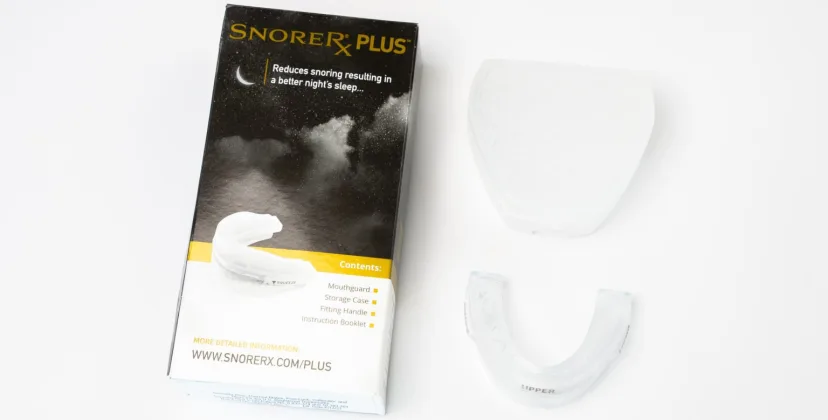
The Surprising Connection Between Nasal Irrigation and Reduced Snoring in Athletes
How to Incorporate Nasal Irrigation into Your Routine
Nasal irrigation is a simple and safe practice that can easily be incorporated into an athlete’s routine. Here’s how to do it:
1. Purchase a nasal irrigation kit or make your own saline solution by mixing one teaspoon of non-iodized salt and one cup of warm water.
2. Stand over a sink and tilt your head to one side.
3. Insert the tip of the irrigation bottle into the upper nostril and gently squeeze the bottle to allow the solution to flow through the nasal passages and out the other nostril.
4. Repeat on the other side.
5. Gently blow your nose to clear out any remaining solution or mucus.
6. Rinse the irrigation bottle and let it air dry.
It is recommended to do nasal irrigation twice a day, once in the morning and once before bed. However, athletes can also do it before and after physical activity to reap its benefits.
In conclusion, nasal irrigation may not be the first thing that comes to mind when thinking about reducing snoring in athletes. Still, its effectiveness in clearing out the nasal passages and improving breathing makes it a valuable practice for athletes looking to improve their sleep quality and overall performance. By incorporating nasal irrigation into their routine, athletes can experience reduced snoring, improved breathing, and better sleep, leading to a more successful and fulfilling athletic career.
Summary:
Snoring is a common issue for athletes, but many are turning to nasal irrigation as a surprising solution. This practice involves flushing the nasal passages with a saline solution and has been found to reduce snoring, improve breathing, and enhance sleep quality in athletes. Nasal irrigation can also help prevent respiratory infections and alleviate symptoms of sleep apnea. With its easy incorporation into an athlete’s routine, nasal irrigation is a simple yet effective way to improve overall performance and well-being.