
Blog Post:
Snoring, allergies, and sleep apnea may seem like separate issues, but they are actually more connected than most people realize. These three conditions can often coexist and have a significant impact on an individual’s quality of sleep and overall health. In this blog post, we will explore the surprising connection between snoring, allergies, and sleep apnea and discuss how addressing one condition can improve the others.
Snoring, the harsh sound that occurs when air flows through the tissues in the back of the throat, is a common issue that affects approximately 90 million American adults. While snoring may seem harmless, it can actually be a sign of a more serious condition known as sleep apnea. Sleep apnea occurs when the airway becomes partially or completely blocked during sleep, leading to pauses in breathing and causing the individual to wake up multiple times throughout the night.
One of the most common causes of snoring and sleep apnea is allergies. Allergies occur when the immune system overreacts to a substance, causing symptoms such as sneezing, congestion, and itchy eyes. When allergies are present, the nasal passages become swollen and congested, making it difficult to breathe through the nose. This forces the individual to breathe through their mouth, which can lead to snoring and worsen sleep apnea symptoms.
Moreover, allergies can also cause inflammation in the throat and airway, further contributing to snoring and sleep apnea. This inflammation can cause the tissues in the throat to relax and collapse, obstructing the airway and leading to snoring and sleep apnea episodes.
But the connection between allergies and sleep apnea does not end there. Studies have shown that individuals with allergies are more likely to develop sleep apnea, and those with sleep apnea are more likely to have allergies. This is because both conditions have a similar underlying cause – inflammation. Inflammation is the body’s response to allergens and can also be triggered by the repetitive obstruction of the airway during sleep apnea episodes.
So, what can be done to break this cycle and improve both snoring and sleep apnea? The key is to address the root cause – allergies. By effectively managing allergies, the severity of snoring and sleep apnea can be reduced, leading to a better night’s sleep and improved overall health.
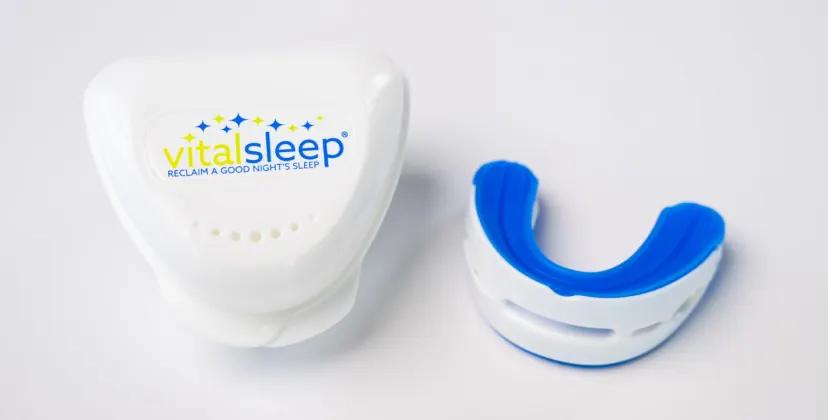
The Surprising Connection Between Snoring, Allergies, and Sleep Apnea
The first step in managing allergies is to identify the triggers. Common allergens include dust mites, pollen, pet dander, and mold. Once the triggers are identified, steps can be taken to reduce exposure. This may include using air purifiers, vacuuming regularly, and keeping pets out of the bedroom.
In addition, over-the-counter medications and nasal sprays can help alleviate allergy symptoms and reduce inflammation in the nasal passages. However, it is important to consult with a healthcare professional before starting any new medication.
For more severe cases of allergies, allergen immunotherapy, also known as allergy shots, may be recommended. This treatment involves gradually exposing the individual to small doses of the allergen to build up their immunity and reduce symptoms over time.
Another effective way to manage allergies and improve snoring and sleep apnea is to make lifestyle changes. This includes maintaining a healthy weight, avoiding smoking and alcohol consumption, and practicing good sleep hygiene. These lifestyle modifications can help reduce inflammation and improve overall respiratory health.
It is also crucial to seek treatment for sleep apnea if diagnosed. Continuous positive airway pressure (CPAP) therapy is the most common treatment for sleep apnea and involves wearing a mask that delivers pressurized air to keep the airway open during sleep. This not only helps with snoring but also improves the quality of sleep and overall health.
In conclusion, the connection between snoring, allergies, and sleep apnea is stronger than most people realize. Addressing allergies can improve both snoring and sleep apnea symptoms, leading to a better night’s sleep and improved overall health. By identifying triggers, managing symptoms, and seeking appropriate treatment, individuals can break the cycle and enjoy a restful and peaceful night’s sleep.
Summary:
Snoring, allergies, and sleep apnea are all interconnected, with allergies being a common cause of both snoring and sleep apnea. Allergies can cause inflammation in the airway, leading to snoring and worsening sleep apnea symptoms. In turn, sleep apnea can also worsen allergies due to the repetitive obstruction of the airway. Managing allergies is key to improving both conditions, and this can be done through identifying triggers, using medication and lifestyle changes, and seeking treatment for sleep apnea. Breaking the cycle of allergies and sleep apnea can lead to a better night’s sleep and improved overall health.