
Blog Post: The Surprising Connection Between Snoring and Acid Reflux
Snoring is a common problem that affects millions of people worldwide. It is often seen as a nuisance, causing sleep disturbances for both the snorer and their partner. On the other hand, acid reflux, or gastroesophageal reflux disease (GERD), is a digestive disorder that can cause discomfort and pain in the chest and throat. While these two conditions may seem unrelated, recent research has shown that there is a surprising connection between snoring and acid reflux. In this blog post, we will explore this connection and discuss how these two seemingly different issues are actually linked.
Understanding Snoring and Acid Reflux
Before we dive into the connection between snoring and acid reflux, it is important to understand what these two conditions are. Snoring is a common sleep disorder that occurs when the tissue in the back of the throat relaxes and narrows the airway, causing vibrations and the characteristic sound. It can be a result of various factors such as obesity, alcohol consumption, smoking, nasal congestion, and sleeping position. On the other hand, acid reflux is a condition where stomach acid flows back up into the esophagus, causing a burning sensation in the chest and throat. It is commonly triggered by consuming certain foods, smoking, obesity, and pregnancy.
The Surprising Connection
While snoring and acid reflux may seem like two completely different issues, studies have found a surprising link between the two. In fact, a study published in the American Journal of Gastroenterology found that people who snore are more likely to have acid reflux as well. The study followed 81 participants who had sleep apnea, a common cause of snoring, and found that 60% of them also had acid reflux. Another study published in the Journal of Gastroenterology and Hepatology found that people with GERD were more likely to experience sleep disturbances, including snoring.
So, what is the reason behind this connection? The answer lies in the anatomy of our airway and digestive system. When we sleep, our muscles relax, including the muscles in our throat and stomach. This relaxation can cause the tissue in the back of the throat to collapse, leading to snoring. At the same time, the relaxation of the muscles in the stomach can also cause acid to flow back up into the esophagus, causing acid reflux. This is why people who snore are more likely to also experience acid reflux, and vice versa.
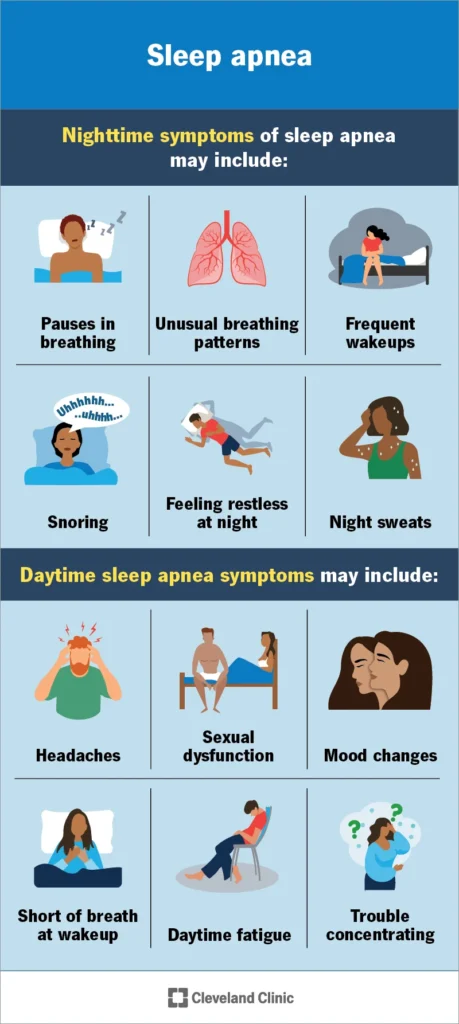
The Surprising Connection Between Snoring and Acid Reflux
The Impact of Acid Reflux on Snoring
While snoring may seem like a harmless annoyance, it can actually be a sign of a more serious issue. When acid reflux is left untreated, it can lead to a condition called sleep apnea. Sleep apnea is a sleep disorder in which a person’s breathing is interrupted during sleep, causing them to stop breathing for short periods of time. This can be a result of the relaxation of the muscles in the throat, which can be triggered by acid reflux. In addition, the acid can also irritate the throat and cause inflammation, making it more difficult to breathe and leading to snoring.
Treating Snoring and Acid Reflux
The good news is that treating one of these conditions can also improve the other. For snoring, there are various lifestyle changes and remedies that can help reduce snoring, such as losing weight, avoiding alcohol and smoking, and changing sleeping positions. Using a continuous positive airway pressure (CPAP) machine, which delivers air pressure through a mask, can also be effective in treating snoring caused by sleep apnea. As for acid reflux, there are also lifestyle changes that can help, such as avoiding trigger foods, eating smaller meals, and avoiding lying down after eating. Over-the-counter medications, such as antacids, can also provide relief from acid reflux symptoms.
In some cases, surgery may be recommended to treat severe snoring or acid reflux. For snoring, the surgery aims to remove or reduce the tissue in the back of the throat that causes the vibrations. For acid reflux, surgery may involve strengthening the muscles at the bottom of the esophagus to prevent acid from flowing back up. However, these surgeries are usually considered as a last resort and are only recommended in severe cases.
In conclusion, snoring and acid reflux may seem like two unrelated conditions, but they are actually connected through the relaxation of muscles in the throat and stomach. If left untreated, they can lead to more serious health issues, such as sleep apnea. Therefore, it is important to address these issues and seek treatment to improve both the quality of sleep and overall health.
Summary:
Snoring and acid reflux are two seemingly unrelated conditions, but recent research has found a surprising connection between the two. Studies have shown that people who snore are more likely to have acid reflux, and vice versa. This is because the relaxation of muscles in the throat and stomach during sleep can cause both snoring and acid reflux. If left untreated, these conditions can lead to more serious issues such as sleep apnea. Treatment options include lifestyle changes, medication, and surgery, if necessary. It is important to address these issues to improve both sleep quality and overall health.