
Blog Post:
Snoring and sinus infections are two common health issues that affect millions of people worldwide. While they may seem unrelated, there is actually a surprising connection between the two. In fact, snoring can be a symptom or a potential cause of sinus infections, and understanding this link is crucial in effectively treating both conditions.
What is Snoring?
Snoring is the loud, harsh sound produced during sleep when air flows through the relaxed tissues in the throat, causing them to vibrate. This can be caused by various factors such as the anatomy of the mouth and throat, allergies, nasal congestion, and sleep position.
What are Sinus Infections?
Sinus infections, also known as sinusitis, occur when the sinuses (small air-filled cavities around the nose, eyes, and cheeks) become inflamed and swollen due to a viral, bacterial, or fungal infection. This can lead to symptoms such as facial pain, pressure, congestion, and difficulty breathing through the nose.
The Surprising Connection
The link between snoring and sinus infections lies in the anatomy of the upper airway. When a person snores, the muscles in the back of the throat relax, causing the airway to narrow. This can lead to a decreased airflow, which in turn creates a vacuum effect that pulls the mucus and other secretions from the nasal passages into the sinuses. This increases the risk of developing a sinus infection.
On the other hand, chronic sinus infections can also contribute to snoring. The inflammation and swelling in the sinuses can obstruct the nasal airway, making it difficult for air to flow through. This forces a person to breathe through their mouth, which can result in snoring.
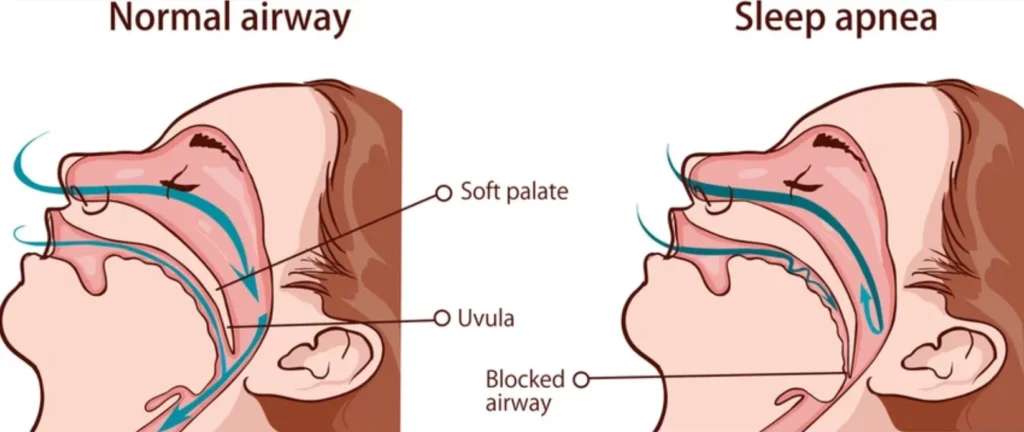
The Surprising Connection Between Snoring and Sinus Infections
Furthermore, both snoring and sinus infections can be caused by similar factors such as allergies, nasal congestion, and structural issues in the nasal and throat area. This makes it even more likely for the two conditions to be interconnected.
Treating Snoring and Sinus Infections
The good news is that treating one condition can also help alleviate the other. For instance, if a person is suffering from snoring caused by nasal congestion, treating the underlying congestion can reduce the severity of snoring and also prevent sinus infections from occurring. Similarly, treating chronic sinus infections can improve nasal breathing and decrease snoring.
To effectively treat snoring and sinus infections, it is important to identify the root cause of the problem. For snoring, this may involve making lifestyle changes such as losing weight, sleeping on the side instead of the back, and avoiding alcohol and sedatives before bedtime. For sinus infections, treatment may include antibiotics, decongestants, nasal irrigation, and allergy medication.
In some cases, snoring and sinus infections may require more advanced treatment options. For snoring, this may include using a CPAP (continuous positive airway pressure) machine or undergoing surgery to correct structural issues in the airway. For sinus infections, sinus surgery may be recommended to improve drainage and remove any obstructions in the sinuses.
Preventing Snoring and Sinus Infections
Aside from treating the underlying causes, there are also steps that can be taken to prevent both snoring and sinus infections. These include maintaining good nasal hygiene, avoiding allergens, quitting smoking, and staying hydrated. It is also important to address any underlying health conditions that may contribute to snoring and sinus infections, such as allergies or a deviated septum.
In conclusion, snoring and sinus infections are closely connected, and understanding this link is crucial in effectively managing and treating both conditions. By addressing the underlying causes and making lifestyle changes, it is possible to reduce the severity of snoring and prevent sinus infections. Consult with a medical professional for personalized treatment options and to improve overall sleep and sinus health.
Summary:
Snoring and sinus infections may seem unrelated, but there is actually a surprising connection between the two. Snoring can be a symptom or a potential cause of sinus infections, and vice versa. This is due to the anatomy of the upper airway, which can contribute to both conditions. Identifying and treating the underlying causes of snoring and sinus infections is key in effectively managing and preventing them. Lifestyle changes, medical treatment, and addressing any underlying health conditions can help improve overall sleep and sinus health.