
Blog Post Title: The Surprising Effects of Alcohol on Snoring and How to Avoid Them
Alcohol is a widely consumed substance that can have a variety of effects on the body. While it is often associated with relaxation and a good night’s sleep, it can actually have negative impacts on one’s snoring habits. In this blog post, we will explore the surprising effects of alcohol on snoring and provide tips on how to avoid them.
The Relationship Between Alcohol and Snoring
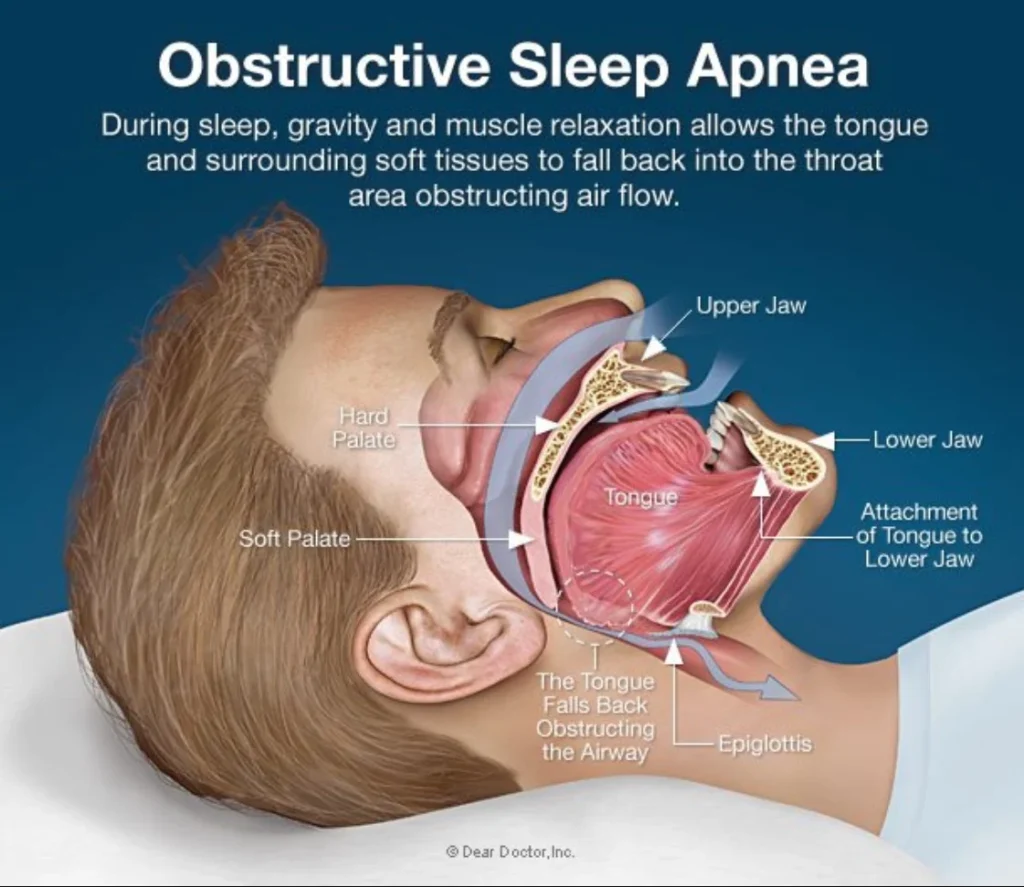
To understand how alcohol affects snoring, it is important to first understand what causes snoring. Snoring occurs when the airway is partially blocked, causing vibrations in the throat and resulting in the loud noise we commonly associate with snoring. This blockage can be caused by a variety of factors, including excess weight, allergies, and sleeping position. However, alcohol consumption can also play a significant role in snoring.
Alcohol is a depressant that relaxes the muscles in the body, including those in the throat. This relaxation can cause the throat muscles to collapse, making it more difficult for air to pass through. As a result, the airway becomes partially blocked, leading to snoring. Additionally, alcohol can also cause inflammation in the throat and nasal passages, further contributing to snoring.
The Effects of Alcohol on Sleep Quality
Not only can alcohol contribute to snoring, but it can also have a negative impact on the quality of sleep. While it may initially make you feel drowsy and fall asleep faster, alcohol disrupts the normal sleep cycle. It can prevent you from entering the deeper stages of sleep, which are crucial for rest and restoration. This can lead to feeling more tired and fatigued the next day, as well as difficulty concentrating and irritability.
How to Avoid Snoring Caused by Alcohol
The Surprising Effects of Alcohol on Snoring and How to Avoid Them
If you are a regular snorer and consume alcohol before bedtime, it may be worth considering reducing your alcohol intake or avoiding it altogether. However, if you do choose to have a drink, there are steps you can take to minimize its effects on snoring.
Firstly, it is important to avoid drinking too close to bedtime. The effects of alcohol can last for several hours, so it is best to stop drinking at least 4 hours before going to bed. This will give your body enough time to metabolize the alcohol and reduce its impact on your sleep and snoring.
Staying hydrated is also key in reducing snoring caused by alcohol. Alcohol is a diuretic, meaning it causes the body to lose more water and can lead to dehydration. This can result in a dryer and stickier throat, making snoring more likely to occur. Make sure to drink plenty of water throughout the day and before going to bed to keep your throat lubricated.
Another helpful tip is to sleep on your side rather than your back. Sleeping on your back can make snoring worse, as the tongue and throat muscles are more likely to relax and block the airway. Sleeping on your side can help keep your airway open and reduce snoring. You can also try using a body pillow or placing a tennis ball in a sock and pinning it to the back of your shirt to prevent yourself from rolling onto your back while sleeping.
Lastly, incorporating healthy lifestyle habits such as maintaining a healthy weight and exercising regularly can also help reduce snoring caused by alcohol. Being overweight can lead to excess tissue in the throat, making snoring more likely. Exercise can help strengthen the muscles in the throat and improve overall sleep quality.
In conclusion, while alcohol may seem like a relaxing drink before bedtime, it can have surprising effects on snoring. By understanding the relationship between alcohol and snoring and implementing the tips mentioned above, you can minimize its impact and improve your sleep quality.
Summary:
Alcohol is a depressant that can relax the muscles in the throat, leading to snoring. It can also disrupt the normal sleep cycle, resulting in poor sleep quality. To avoid snoring caused by alcohol, it is recommended to reduce alcohol intake or avoid it before bedtime, stay hydrated, sleep on your side, and maintain a healthy weight and exercise regularly.