
Sleep apnea is a common sleep disorder that affects millions of people worldwide. It is characterized by pauses in breathing or shallow breathing during sleep, which disrupts the normal sleep cycle and leads to poor quality sleep. While there are various treatment options available, one surprising treatment that has shown promising results is Cognitive Behavioral Therapy (CBT).
CBT is a form of psychotherapy that focuses on changing negative thoughts and behaviors to improve mental health. It is commonly used to treat anxiety, depression, and other mental health disorders, but recent studies have shown that it can also be effective in managing sleep apnea.
In this blog post, we will explore the surprising effects of CBT on sleep apnea and how it can improve sleep quality and overall well-being.
The Link Between Sleep Apnea and Mental Health
Before diving into the effects of CBT on sleep apnea, it is important to understand the link between sleep apnea and mental health. Studies have shown that people with sleep apnea are more likely to experience anxiety, depression, and other mental health disorders.
One reason for this may be the disruption of the normal sleep cycle caused by sleep apnea. When a person’s breathing is interrupted during sleep, they are unable to reach the deeper stages of sleep, which are crucial for rest and restoration. This can lead to fatigue, irritability, and mood swings, which can contribute to the development of mental health issues.
Additionally, sleep apnea can also cause low levels of oxygen in the body, which can affect brain function and lead to cognitive impairment and mood changes. This further highlights the importance of addressing sleep apnea not just as a physical condition but also as a mental health issue.
The Role of CBT in Managing Sleep Apnea
CBT is a form of talk therapy that focuses on identifying and changing negative thoughts and behaviors. It involves working with a therapist to understand the root causes of these thoughts and behaviors and developing coping strategies to manage them.
When it comes to sleep apnea, CBT can be effective in addressing the negative thoughts and behaviors that contribute to the disorder. For example, people with sleep apnea may have negative thoughts about their condition, such as feeling helpless or hopeless, which can worsen their symptoms. CBT can help them challenge these thoughts and develop more positive and realistic beliefs about their condition.
Furthermore, CBT can also address behaviors that may contribute to sleep apnea. For instance, poor sleep habits and lifestyle choices, such as excessive alcohol consumption and smoking, can worsen sleep apnea symptoms. Through CBT, individuals can identify and change these behaviors, leading to improved sleep quality.
The Surprising Effects of CBT on Sleep Apnea
Several studies have shown the effectiveness of CBT in managing sleep apnea. A 2019 study published in the Journal of Clinical Sleep Medicine found that CBT was as effective as Continuous Positive Airway Pressure (CPAP) therapy, the standard treatment for sleep apnea, in improving sleep quality and reducing symptoms.
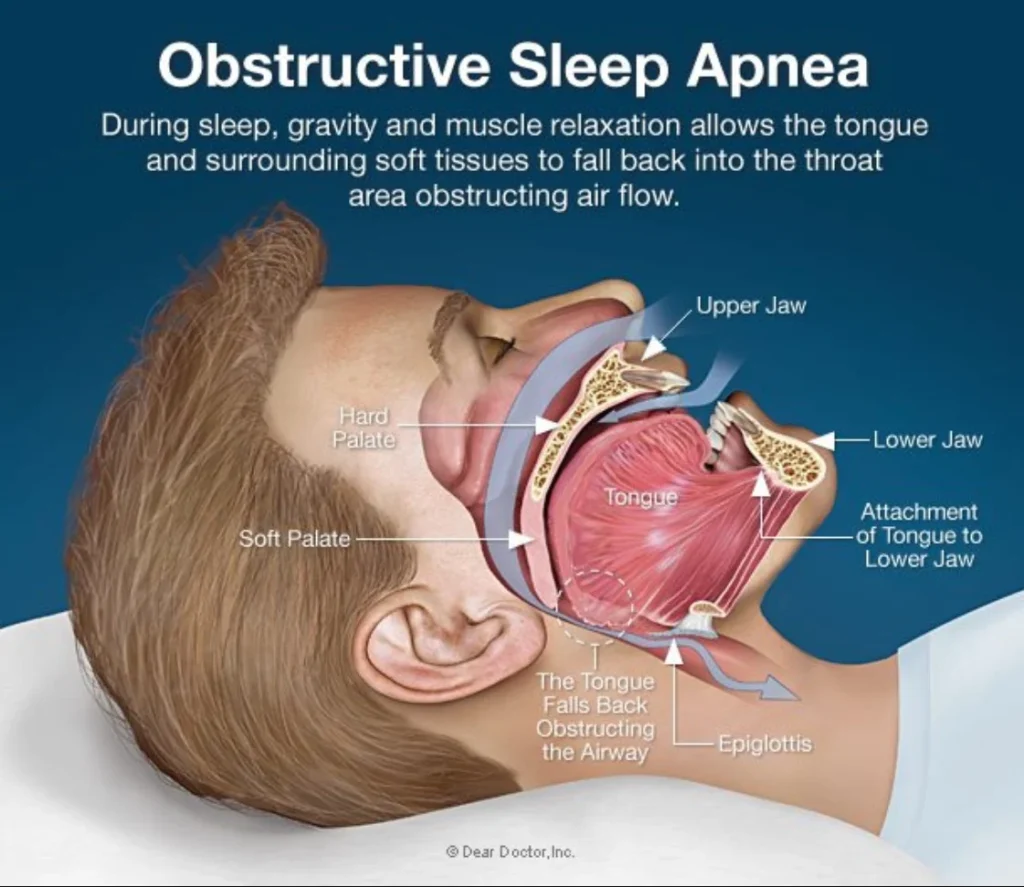
The Surprising Effects of Cognitive Behavioral Therapy on Sleep Apnea
Another study published in the journal Sleep Medicine Reviews in 2018 found that CBT not only improved sleep quality but also reduced depression and anxiety symptoms in people with sleep apnea. This highlights the potential of CBT in addressing the mental health aspect of sleep apnea.
Additionally, a 2016 study published in the journal Chest found that CBT was effective in improving CPAP adherence, meaning that people were more likely to use their CPAP machine consistently when they also received CBT. This is important as CPAP therapy is only effective if used consistently, and CBT can help individuals overcome barriers to using it regularly.
How CBT is Applied in the Treatment of Sleep Apnea
CBT for sleep apnea involves several techniques that aim to improve sleep quality and address the mental health aspects of the disorder. These include:
1. Sleep Education: This involves educating individuals about the importance of sleep, the sleep cycle, and how sleep apnea affects sleep quality.
2. Mindfulness: Mindfulness techniques, such as deep breathing and meditation, can help individuals relax and reduce anxiety and stress, which can contribute to sleep apnea.
3. Sleep Hygiene: CBT can also help individuals develop healthy sleep habits, such as sticking to a regular sleep schedule and creating a comfortable sleep environment.
4. Cognitive Restructuring: This technique helps individuals identify and challenge negative thoughts and beliefs about sleep apnea, leading to more positive and realistic beliefs.
5. Relaxation Techniques: Techniques like progressive muscle relaxation and guided imagery can help individuals relax and fall asleep faster.
6. Behavioral Strategies: CBT can also help individuals identify and change behaviors that may contribute to sleep apnea, such as excessive alcohol consumption or smoking.
In summary, CBT is a promising treatment for sleep apnea that not only improves sleep quality but also addresses the mental health aspects of the disorder. By changing negative thoughts and behaviors, individuals can experience better sleep and overall well-being.
In conclusion, sleep apnea is a complex disorder that requires a holistic approach to treatment. While traditional treatments like CPAP therapy are effective, CBT offers a surprising and effective alternative that can improve sleep quality and mental health. If you or a loved one is struggling with sleep apnea, consider incorporating CBT into your treatment plan for better sleep and overall well-being.
MetaData: