
Blog Post:
When it comes to getting a good night’s sleep, snoring and sleep apnea are two common issues that many people face. While snoring is often seen as a harmless annoyance, sleep apnea is a serious medical condition that can have long-term health consequences. However, what many people don’t realize is that there is a surprising link between these two sleep-related problems.
Sleep apnea is a disorder in which a person’s breathing repeatedly stops and starts during sleep. This interruption in breathing can last for a few seconds to a few minutes and can occur multiple times per hour. The most common type of sleep apnea is obstructive sleep apnea, which is caused by a blockage in the airway. This blockage can be due to factors such as enlarged tonsils, a large tongue, or excess weight around the neck.
On the other hand, snoring is the sound that occurs when air flows past relaxed tissues in the throat, causing them to vibrate. While snoring can be a symptom of sleep apnea, it can also occur on its own due to factors such as allergies, alcohol consumption, or sleeping on your back.
Many people who snore may not think it is a big deal, but it can be a sign of a more serious underlying issue. In fact, research has shown that about half of people who snore loudly have obstructive sleep apnea. This means that snoring can be an early warning sign of sleep apnea and should not be ignored.
So, what is the link between sleep apnea and snoring?
The main connection between the two is that they both involve the blockage of the airway during sleep. In sleep apnea, this blockage is severe enough to cause a complete pause in breathing, while in snoring, the blockage is not as severe, but still enough to cause the familiar snoring sound.
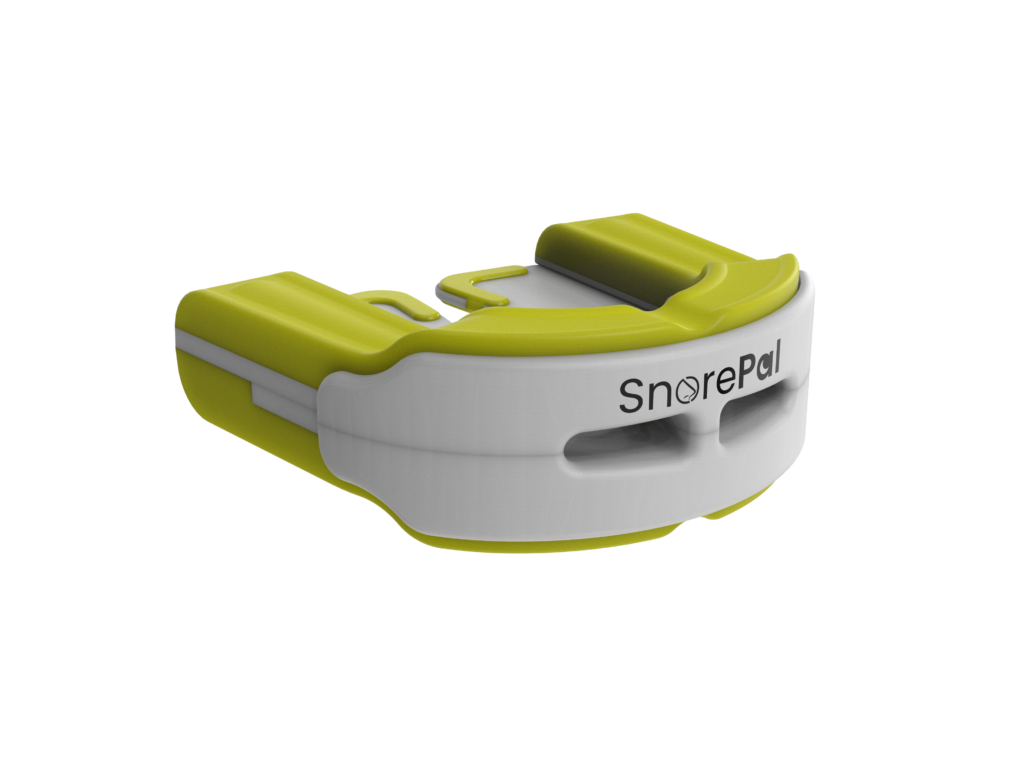
The Surprising Link Between Sleep Apnea and Snoring
Moreover, snoring can actually worsen sleep apnea. When a person snores, the muscles in the throat relax, causing the airway to narrow. This narrowing can make it more difficult for air to flow freely, leading to more frequent pauses in breathing and worsening sleep apnea symptoms. In addition, snoring can also cause disruptions in a person’s sleep, leading to daytime fatigue and other issues.
On the other hand, sleep apnea can also lead to snoring. As the airway becomes blocked, the body struggles to maintain proper oxygen levels, which can cause the person to gasp or choke. These gasps and chokes can lead to a loud snoring sound as the body tries to clear the airway and resume normal breathing.
The good news is that treating one of these sleep issues can often improve the other. For instance, treating sleep apnea with a continuous positive airway pressure (CPAP) machine can reduce or eliminate snoring, providing relief for both conditions. Similarly, losing weight and making lifestyle changes to improve sleep apnea symptoms can also lead to a decrease in snoring.
However, it is important to note that not all snoring is related to sleep apnea. If a person’s snoring is not accompanied by any other symptoms of sleep apnea, such as daytime fatigue or gasping for air, then it may simply be a result of other factors such as allergies or sleeping position. In these cases, finding the underlying cause of snoring and addressing it can help improve sleep quality.
In conclusion, while snoring and sleep apnea may seem like two separate issues, they are actually closely related. Snoring can be a sign of sleep apnea, and treating one can often improve the other. If you or a loved one is experiencing snoring or sleep apnea symptoms, it is important to consult a doctor for a proper diagnosis and treatment plan.
Summary:
Snoring and sleep apnea are two common sleep-related issues that many people face. While snoring is often seen as a harmless annoyance, sleep apnea is a serious medical condition that can have long-term health consequences. However, there is a surprising link between these two conditions. Both involve the blockage of the airway during sleep, and treating one can often improve the other. Snoring can be an early warning sign of sleep apnea, and it can also worsen sleep apnea symptoms. Seeking proper diagnosis and treatment for these issues is crucial for improving overall sleep quality and health.