
Blog post:
When we think of snoring and sleepwalking, we often associate them with children or younger adults. However, research has shown that these sleep disorders can also affect seniors. In fact, there is a surprising link between snoring and sleepwalking in seniors that is not widely known. In this blog post, we will explore the connection between these two conditions and discuss how they can impact the sleep quality and overall health of seniors.
To understand the link between snoring and sleepwalking in seniors, it is important to first define these two conditions. Snoring is a common sleep disorder that is characterized by noisy breathing during sleep. It occurs when the airway is partially blocked, causing the tissues in the throat to vibrate. On the other hand, sleepwalking is a sleep disorder that causes people to get up and walk around while they are still asleep. This can range from simple, repetitive actions like sitting up in bed to more complex behaviors like walking around the house.
Now, you may be wondering how these two seemingly unrelated conditions are connected. The answer lies in the underlying causes of both snoring and sleepwalking. One of the main causes of snoring is obstructive sleep apnea (OSA), a condition where the airway becomes completely blocked, causing a person to stop breathing for short periods of time during sleep. OSA is more common in seniors due to factors such as weight gain, loss of muscle tone, and changes in the structure of the airway. Similarly, sleepwalking is also associated with certain underlying factors, such as sleep deprivation, stress, and medications.
Recent studies have shown that there is a higher prevalence of sleepwalking in seniors who have OSA. This is because OSA can cause fragmented sleep, leading to disruptions in the sleep cycle and an increase in sleepwalking episodes. Furthermore, OSA can also lead to changes in the brain that can make sleepwalking more likely. This connection between OSA and sleepwalking in seniors is significant and highlights the need for proper diagnosis and treatment of both conditions.
The impact of snoring and sleepwalking on seniors can go beyond just a lack of quality sleep. These conditions can also have serious health consequences, especially in older adults. For example, OSA has been linked to an increased risk of cardiovascular diseases, such as high blood pressure, heart attack, and stroke. Sleepwalking, on the other hand, can lead to falls and injuries, which can be particularly dangerous for seniors who may already have underlying health issues.
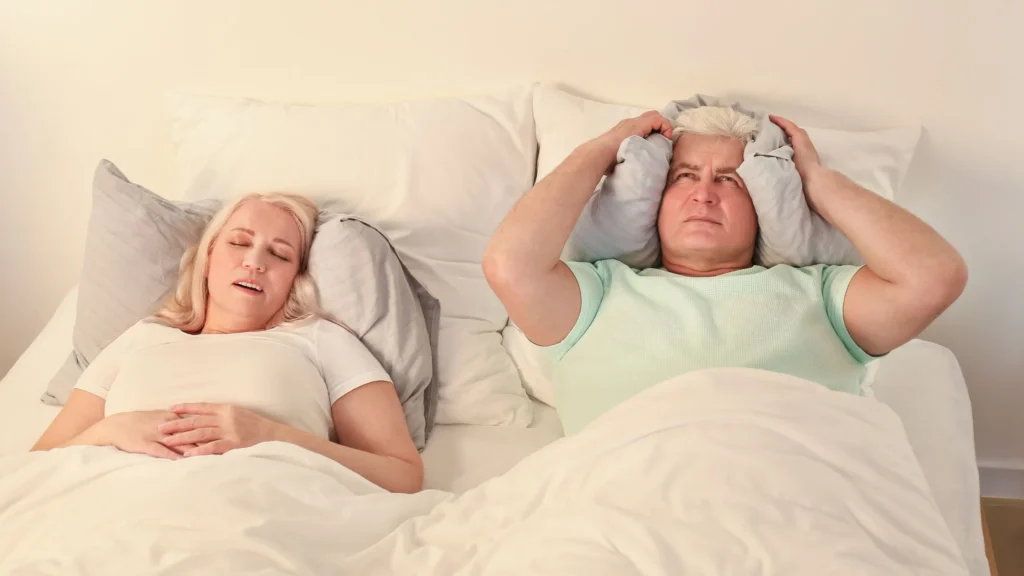
The Surprising Link Between Snoring and Sleepwalking in Seniors
Moreover, snoring and sleepwalking can also impact the mental health of seniors. Sleep disturbances have been linked to an increased risk of depression and anxiety, and this is especially true for seniors who may already be dealing with age-related changes and challenges. Additionally, the lack of quality sleep can also affect cognitive function and memory, making it difficult for seniors to perform daily tasks and maintain their independence.
So, what can be done to address the link between snoring and sleepwalking in seniors? The first step is to seek proper diagnosis and treatment for both conditions. If you or a loved one is experiencing loud snoring or sleepwalking episodes, it is important to consult a doctor who can determine the underlying cause and provide appropriate treatment. This may include lifestyle changes, such as weight loss and avoiding alcohol and sedatives, as well as the use of breathing devices like CPAP machines for OSA.
In addition to medical treatment, there are also some steps that seniors can take to improve their sleep quality and reduce the risk of sleepwalking. This includes maintaining a regular sleep schedule, creating a comfortable and quiet sleep environment, and practicing relaxation techniques before bed. It is also important for seniors to address any underlying health issues that may be contributing to their sleep disorders, such as high blood pressure or anxiety.
In conclusion, the surprising link between snoring and sleepwalking in seniors highlights the importance of addressing these sleep disorders in older adults. OSA and sleepwalking can have serious consequences on the physical and mental health of seniors, and it is essential to seek proper diagnosis and treatment. By taking steps to improve sleep quality and addressing any underlying health issues, seniors can improve their overall well-being and maintain a good quality of life.
Summary:
Snoring and sleepwalking are not just sleep disorders that affect children and younger adults. Research has shown a surprising link between these two conditions in seniors. This connection is due to the underlying causes of both snoring and sleepwalking, which include obstructive sleep apnea (OSA) and sleep deprivation. OSA can cause fragmented sleep, leading to disruptions in the sleep cycle and an increase in sleepwalking episodes. Additionally, snoring and sleepwalking can have serious consequences on the overall health and well-being of seniors, making it important to seek proper diagnosis and treatment. By addressing these sleep disorders, seniors can improve their sleep quality and reduce the risk of associated health issues.