
The Surprising Link Between Snoring and Your Oral Health
Snoring is a common problem that affects millions of people, with estimates suggesting that around 90 million adults in the United States snore. While it is often seen as a minor inconvenience, snoring can actually have a significant impact on your overall health, particularly when it comes to your oral health. In this blog post, we will explore the surprising link between snoring and your oral health, and how taking care of your mouth and teeth can help alleviate snoring and improve your quality of life.
What Causes Snoring?
To understand the link between snoring and oral health, it is important to first understand what causes snoring. Snoring is caused by the vibration of tissues in the throat and nose, which occurs when air flows through narrowed airways. This can be caused by a variety of factors, including:
1. Nasal congestion or allergies
2. Enlarged tonsils or adenoids
3. Deviated septum
4. Obesity
5. Sleep position
6. Alcohol consumption
7. Age
8. Gender (men are more likely to snore than women)
While these factors may contribute to snoring, there is also a strong link between snoring and your oral health.
Oral Health and Snoring
One of the main reasons for snoring is the narrowing of the airways, and your oral health can play a significant role in this. If you have poor oral hygiene, you are more likely to develop gum disease, which can cause inflammation and swelling in the gums. This, in turn, can lead to the narrowing of the airways, making snoring more likely. Additionally, if you have missing teeth or a misaligned bite, this can also contribute to airway obstruction and snoring.
Furthermore, people with sleep apnea, a sleep disorder characterized by pauses in breathing during sleep, are more likely to have poor oral health. This is because sleep apnea can cause dry mouth, which increases the risk of tooth decay and gum disease. The use of continuous positive airway pressure (CPAP) machines, a common treatment for sleep apnea, can also cause dry mouth and lead to oral health issues.
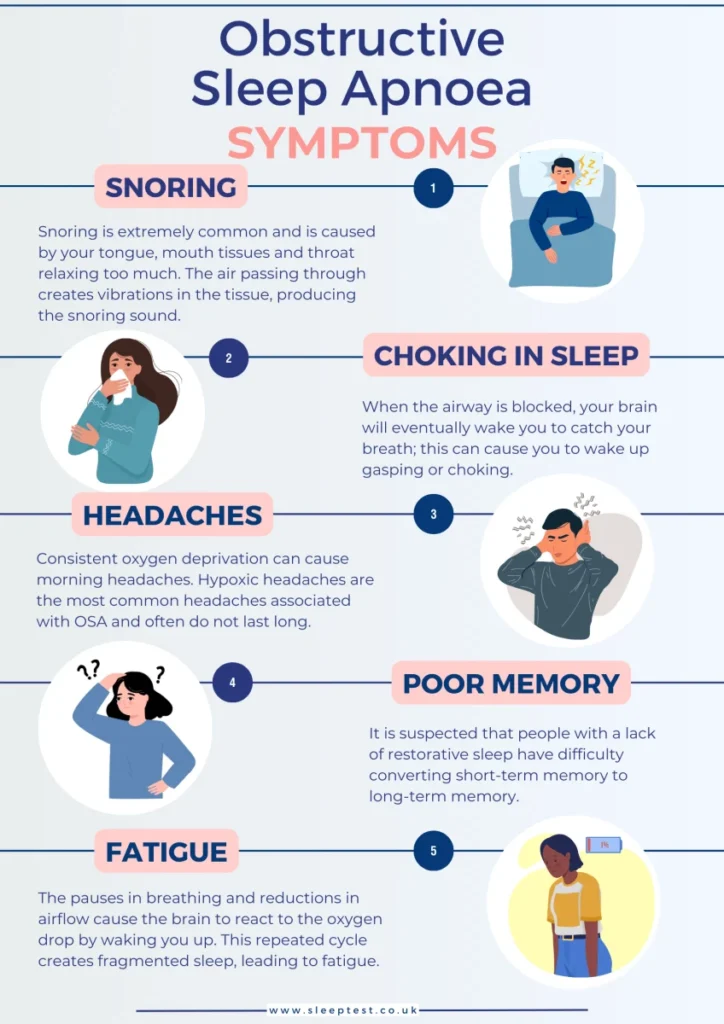
The Surprising Link Between Snoring and Your Oral Health
How Oral Health Can Help Alleviate Snoring
Maintaining good oral health can have a positive impact on snoring. By brushing your teeth twice a day, flossing daily, and visiting your dentist regularly, you can reduce your risk of developing gum disease and other oral health issues that can contribute to snoring. Additionally, if you have missing teeth or a misaligned bite, your dentist may recommend treatments such as dental implants or orthodontic treatment to help improve your airway and reduce snoring.
Moreover, certain oral appliances can also be used to alleviate snoring. Mandibular advancement devices (MADs) are custom-made mouthpieces that are worn at night to shift the jaw forward and keep the airway open. This can be helpful for people with mild to moderate sleep apnea or snoring. Tongue retaining devices (TRDs) are also available and work by holding the tongue in place to prevent it from blocking the airway.
The Role of Breathing in Oral Health
While we often think of oral health as just taking care of our teeth and gums, it is also closely linked to our breathing. Breathing through the mouth instead of the nose can lead to dry mouth, which can increase the risk of cavities and gum disease. Nasal breathing, on the other hand, helps to produce saliva, which is important for maintaining a healthy balance of bacteria in the mouth.
Moreover, nasal breathing also helps to filter and humidify the air, which can protect the throat and airways from irritation and inflammation. This is especially important for people with sleep apnea, as it can help to reduce the severity of symptoms and improve overall sleep quality.
In Summary
Snoring is a common problem that can have a significant impact on your overall health, including your oral health. Poor oral hygiene, missing teeth, and a misaligned bite can all contribute to snoring, and people with sleep apnea are more likely to have poor oral health. By taking care of your oral health and seeking treatment for any issues that may contribute to snoring, you can improve your quality of sleep and overall health.
In conclusion, the link between snoring and oral health is an important one, and by prioritizing both, you can improve your overall well-being.