
Summary:
Snoring is a common problem that affects millions of people worldwide. It can be a nuisance for not only the snorer but also their sleeping partner. While there are many factors that can contribute to snoring, one surprising link that has been discovered is the relationship between stress and sleeping position.
Stress is a natural response of the body to any type of demand or threat. It can manifest itself in different ways, one of which is through snoring. When our bodies are under stress, our muscles tend to tense up, which can lead to snoring. This tension can also affect our sleeping position, making it difficult to find a comfortable and restful position.
The way we sleep can also play a significant role in snoring. Certain sleeping positions can cause our airways to become obstructed, leading to snoring. For snorers, finding the right sleeping position is crucial in reducing their snoring and improving their overall sleep quality.
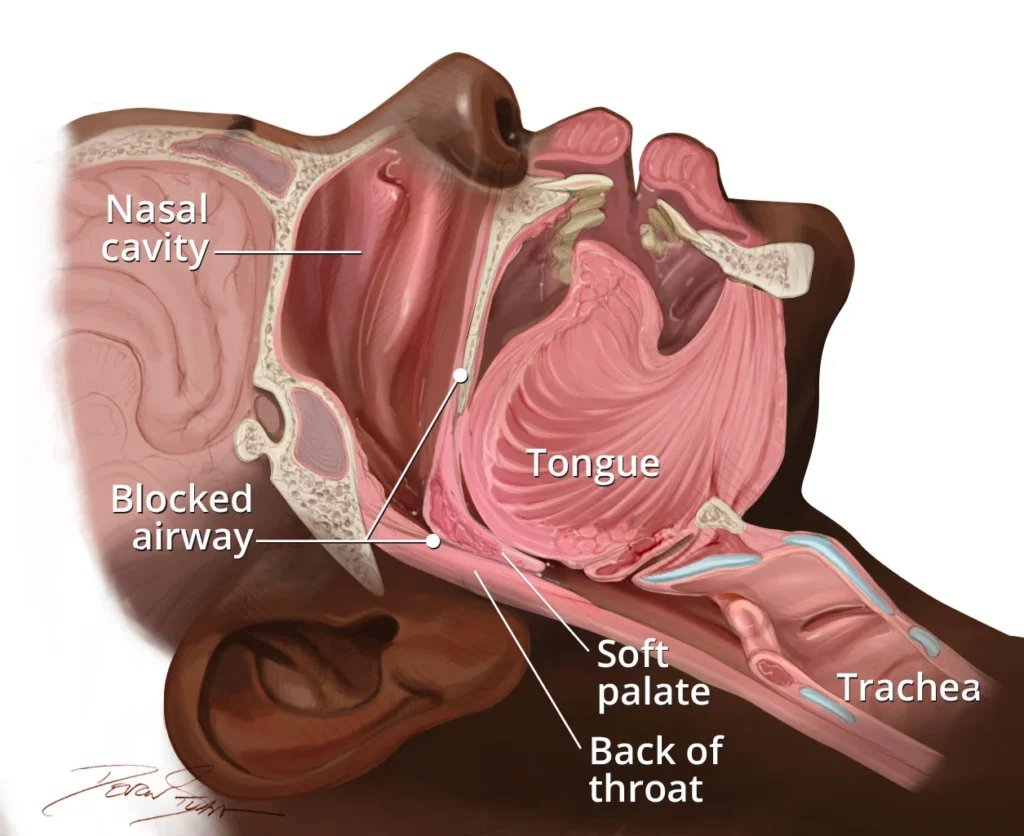
One study found that individuals who slept on their backs were more likely to snore compared to those who slept on their sides. This is because sleeping on your back can cause the tongue to fall back and block the airway, resulting in snoring. Sleeping on your side, on the other hand, can help keep the airway clear and reduce snoring.
But how does stress come into play? Stress can affect our sleeping position in several ways. Firstly, it can make it difficult for us to fall asleep in the first place. When we are stressed, our minds tend to race, making it challenging to relax and drift off to sleep. This can lead to tossing and turning, which can result in a poor sleeping position and increased snoring.
The Surprising Link Between Stress and Sleeping Position for Snorers
Stress can also cause us to adopt poor sleeping postures. When we are stressed, we may unconsciously tense up our muscles, leading to a stiff and uncomfortable sleeping position. This can put extra pressure on our airways, causing snoring. Additionally, stress can cause us to clench our jaws or grind our teeth, which can also contribute to snoring.
Furthermore, stress can also affect the quality of our sleep. When we are stressed, our bodies may not enter into the deep, restorative sleep that is essential for our overall health. This can result in a shallow and disrupted sleep, which can worsen snoring. Additionally, stress can cause us to wake up multiple times throughout the night, leading to poor sleep quality and increased snoring.
So, what can be done to reduce snoring and improve sleep quality for those who are affected by stress? Firstly, it is essential to find ways to manage and reduce stress levels. This can include practicing relaxation techniques such as deep breathing, meditation, or yoga. It is also essential to establish a healthy bedtime routine and create a calm and relaxing sleep environment.
Finding the right sleeping position is also crucial. For snorers, sleeping on their sides is recommended to keep the airway clear and reduce snoring. Adding extra pillows or a body pillow can also help keep the body in a comfortable and supportive position. Additionally, investing in a quality mattress and pillow can also make a difference in finding the right sleeping position.
In some cases, snoring may be a symptom of a more serious underlying issue, such as sleep apnea. If snoring is persistent and affecting your daily life, it is essential to consult a doctor for a proper diagnosis and treatment plan.
In conclusion, the link between stress and sleeping position for snorers is a surprising but significant one. By managing stress levels, finding the right sleeping position, and creating a healthy sleep environment, snorers can reduce their snoring and improve their overall sleep quality. It is essential to prioritize both physical and mental wellbeing for a good night’s rest and a peaceful sleep for both the snorer and their partner.
SEO metadata: