
Blog Post:
Snoring is a common and often annoying occurrence for many people. It can disrupt sleep, cause strain on relationships, and lead to daytime fatigue. While many people may think that snoring is simply a result of a blocked airway or a certain sleeping position, there may actually be a surprising link between stress and snoring.
Stress is a natural response to demanding situations and can manifest in various physical and emotional symptoms. One of these symptoms can be snoring. When a person is stressed, their body releases hormones such as cortisol and adrenaline, which can cause relaxation of the muscles in the throat and tongue. This relaxation can result in the narrowing of the airway and lead to snoring.
In addition to the physical effects, stress can also affect sleep quality. When a person is stressed, their mind may be racing with thoughts and worries, making it difficult to fall asleep and stay asleep. This can lead to a decrease in the amount and quality of sleep, which can contribute to snoring.
But how exactly can stress lead to snoring? And what can be done to find relief? Let’s take a closer look at the surprising link between stress and snoring, and some ways to combat it.
The Link Between Stress and Snoring:
As mentioned earlier, stress can cause relaxation of the muscles in the throat and tongue, leading to a narrowed airway and snoring. This is similar to what happens when a person is under the influence of alcohol or sedatives, which also cause muscle relaxation in the throat. This relaxation can cause the tissues in the throat to vibrate, resulting in the snoring sound.
Furthermore, stress can also lead to weight gain, which is another common cause of snoring. When a person is stressed, they may turn to comfort foods or have trouble finding time for exercise, resulting in weight gain. This excess weight can put pressure on the airway, making it more difficult to breathe and increasing the likelihood of snoring.
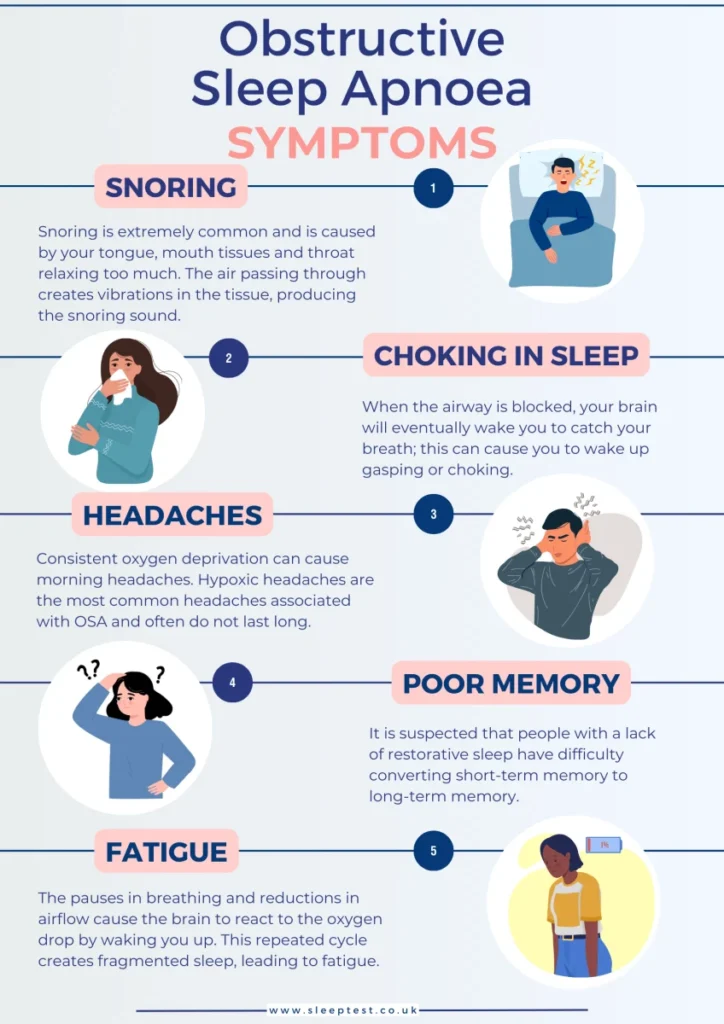
Stress can also contribute to sleep apnea, a serious sleep disorder where a person’s breathing is interrupted during sleep. This can occur when the muscles in the throat relax too much, causing the airway to become completely blocked. This can lead to loud snoring, gasping, and even pauses in breathing. If left untreated, sleep apnea can have serious health consequences, including high blood pressure, heart disease, and stroke.
Finding Relief:
If you are experiencing snoring due to stress, there are a few things you can do to find relief.
The Surprising Link Between Stress and Snoring: How to Find Relief
First and foremost, it is important to address the root cause of your stress. This may involve identifying and managing sources of stress in your life, seeking therapy or counseling, or making lifestyle changes such as incorporating relaxation techniques or exercise into your routine.
In addition, there are several remedies and lifestyle changes that can help reduce snoring caused by stress. These include:
1. Maintaining a healthy weight: As mentioned before, excess weight can put pressure on the airway, leading to snoring. By maintaining a healthy weight through a balanced diet and regular exercise, you can reduce the risk of snoring.
2. Practicing good sleep hygiene: This includes establishing a consistent sleep schedule, creating a comfortable sleep environment, and avoiding caffeine and screens before bed. By getting enough quality sleep, you can reduce the effects of stress on your body and decrease the likelihood of snoring.
3. Using nasal strips or sprays: These can help open up the nasal passages and improve airflow, reducing the chances of snoring.
4. Trying throat exercises: Strengthening the muscles in the throat through exercises such as singing or playing a wind instrument can help reduce snoring.
5. Using a humidifier: Dry air can irritate the throat and cause snoring. Using a humidifier in the bedroom can add moisture to the air and help reduce snoring.
6. Sleeping on your side: Sleeping on your back can cause the tongue to fall back and block the airway. By sleeping on your side, you can keep the airway open and reduce snoring.
It is important to note that if your snoring is severe or accompanied by other symptoms such as gasping or pauses in breathing, it may be a sign of a more serious condition such as sleep apnea. In this case, it is important to seek medical attention and undergo a sleep study to determine the best course of treatment.
In conclusion, stress and snoring may be more closely linked than we previously thought. By addressing the root cause of stress and making lifestyle changes, we can reduce the likelihood of snoring and improve our overall health and well-being.
Summary:
Stress can lead to snoring through muscle relaxation in the throat and weight gain. This can also contribute to sleep apnea, a serious sleep disorder. To find relief, it is important to address the root cause of stress and make lifestyle changes such as maintaining a healthy weight, practicing good sleep hygiene, and using remedies like nasal strips or throat exercises. Severe snoring may indicate a more serious condition and should be evaluated by a medical professional.