
Blog Post:
Snoring is a common problem that affects millions of people worldwide. It can disrupt sleep, lead to daytime fatigue and even strain relationships. While snoring is often associated with factors such as obesity, alcohol consumption, and sleep apnea, allergies are often overlooked as a potential cause. However, the truth is that allergies can have a surprising impact on snoring. In this blog post, we will explore the various ways allergies can affect your snoring and how to manage it.
Impact of Allergies on Nasal Congestion
Allergies are a reaction of the immune system to a foreign substance, such as dust, pollen, or pet dander. When an allergen enters the body, the immune system releases histamines, causing inflammation and irritation in the nasal passages. This can lead to nasal congestion, making it difficult to breathe through the nose. As a result, people with allergies tend to breathe through their mouths, which can increase the likelihood of snoring.
Nasal congestion also causes the tissues in the throat to vibrate, leading to the familiar snoring sound. This is because when air tries to pass through the narrowed airway, it creates turbulence, causing the tissues to vibrate. Therefore, if you have allergies, you are more likely to snore due to nasal congestion.
Impact of Allergies on Sinus Infections
Another way allergies can impact snoring is by causing sinus infections. When allergens enter the body, they can trigger an immune response, leading to inflammation and swelling of the sinus passages. This can cause sinus infections, which can block the airway and make breathing difficult. As a result, people with allergies may experience snoring as a symptom of a sinus infection.
Impact of Allergies on Sleep Quality
Allergies can also have a direct impact on the quality of sleep. When allergies flare up, they can cause frequent awakenings throughout the night, disrupting the natural sleep cycle. This can lead to sleep deprivation, which can make snoring worse. When we are sleep-deprived, the muscles in our throat and mouth relax more than usual, increasing the likelihood of snoring.
In addition, allergies can also cause other sleep-related issues, such as sleep apnea. Sleep apnea is a common sleep disorder characterized by pauses in breathing during sleep. Allergies can make sleep apnea worse by causing inflammation and swelling in the airway, making it more difficult for air to pass through. This can lead to more frequent and severe episodes of sleep apnea, which can contribute to snoring.
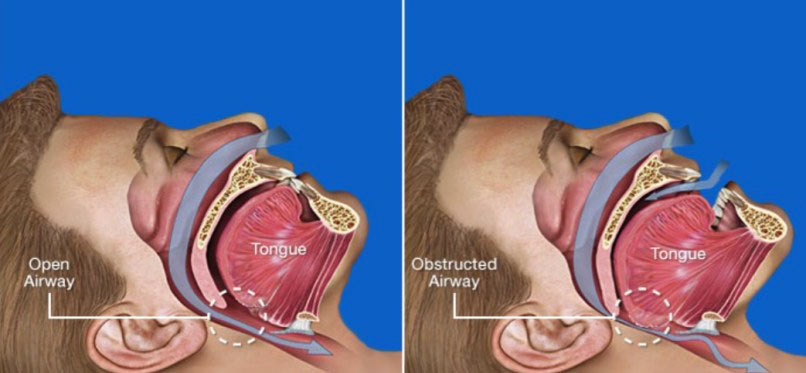
The Surprising Ways Allergies Can Impact Your Snoring
Impact of Allergies on Mouth Breathing
As mentioned earlier, allergies can cause nasal congestion, making it difficult to breathe through the nose. This can result in mouth breathing, which can lead to snoring. Mouth breathing can also cause the mouth to dry out, leading to a dry throat and increased snoring. Additionally, when we breathe through our mouths, our tongue is more likely to fall back and obstruct the airway, further contributing to snoring.
Managing Allergies to Improve Snoring
Now that we have explored the various ways allergies can impact snoring, let’s look at how to manage allergies to improve snoring. The first step is to identify and avoid allergens that trigger your symptoms. This may include using an air purifier, keeping windows closed, and avoiding exposure to known allergens.
Next, you can try using over-the-counter or prescription allergy medications. These can help reduce inflammation and congestion in the nasal passages, making it easier to breathe through the nose. Additionally, nasal sprays can also help reduce nasal congestion and improve airflow.
If you have severe allergies, you may benefit from allergy shots or immunotherapy. This involves gradually exposing your body to small amounts of allergens to desensitize your immune system. Over time, this can reduce the severity of your allergy symptoms and improve snoring.
In some cases, addressing underlying conditions such as sleep apnea or deviated septum may also help improve snoring caused by allergies. It is important to consult with a doctor to determine the best course of action for your specific case.
In conclusion, allergies can have a surprising impact on snoring. Nasal congestion, sinus infections, sleep quality, and mouth breathing are all ways allergies can contribute to snoring. By managing allergies and addressing underlying conditions, you can improve snoring and get a better night’s sleep. Don’t let allergies take control of your sleep and overall well-being.
Summary:
Snoring is a common problem that can be caused by a variety of factors, including allergies. Allergies can impact snoring in surprising ways by causing nasal congestion, sinus infections, and sleep disruptions. They can also lead to mouth breathing, which can worsen snoring. Managing allergies through avoidance of triggers, medications, and immunotherapy can help improve snoring. It is also important to address underlying conditions such as sleep apnea for better sleep and overall health.