
The Surprising Ways Caffeine Can Affect Your Snoring
For many people, caffeine is an essential part of their daily routine. Whether it’s a cup of coffee in the morning or a soda in the afternoon, caffeine is often seen as a necessary pick-me-up to help us get through the day. But what many people don’t realize is that caffeine can also have a significant impact on our sleep and breathing patterns, specifically when it comes to snoring. In this blog post, we’ll explore the surprising ways caffeine can affect your snoring and what you can do to minimize its effects.
What is Caffeine?
Before we dive into how caffeine affects snoring, let’s first define what caffeine is. Caffeine is a natural stimulant found in various plants, including coffee beans, tea leaves, and cacao pods. It is also added to many products, such as energy drinks, sodas, and even some medications. Caffeine works by stimulating the central nervous system, increasing alertness and reducing fatigue.
How Caffeine Can Impact Snoring
Now that we understand what caffeine is, let’s explore how it can affect our snoring. Here are some surprising ways caffeine can impact your snoring:
1. Increases Nervous System Activity
As mentioned earlier, caffeine works by stimulating the central nervous system. This increased activity can lead to an increase in muscle tension, including the muscles in your throat. When these muscles become tense, they can restrict the airway, making it more difficult to breathe, and ultimately leading to snoring.
2. Disrupts Sleep Patterns
Caffeine has a half-life of about 5-6 hours, meaning it takes that long for half of the caffeine to be eliminated from your system. This means that if you consume caffeine too close to bedtime, it can disrupt your sleep patterns. Caffeine can cause you to have a lighter, more fragmented sleep, which can lead to snoring. Additionally, consuming caffeine too late in the day can make it harder for you to fall asleep, causing you to be overtired and more prone to snoring.
3. Causes Acid Reflux
Caffeine is known to increase the production of stomach acid, which can cause or exacerbate acid reflux. Acid reflux is a common cause of snoring as it can cause the tissues in the throat to become swollen and inflamed, leading to a narrowed airway and snoring. So if you suffer from acid reflux and consume caffeine, it could worsen your snoring.
4. Dehydration
Caffeine is a diuretic, meaning it can cause you to urinate more frequently. This can lead to dehydration, which can cause the mucus membranes in your throat to become dry and sticky. This can make it more difficult for air to pass through, leading to snoring. Additionally, dehydration can cause the tissues in your throat to swell, further restricting the airway and increasing the likelihood of snoring.
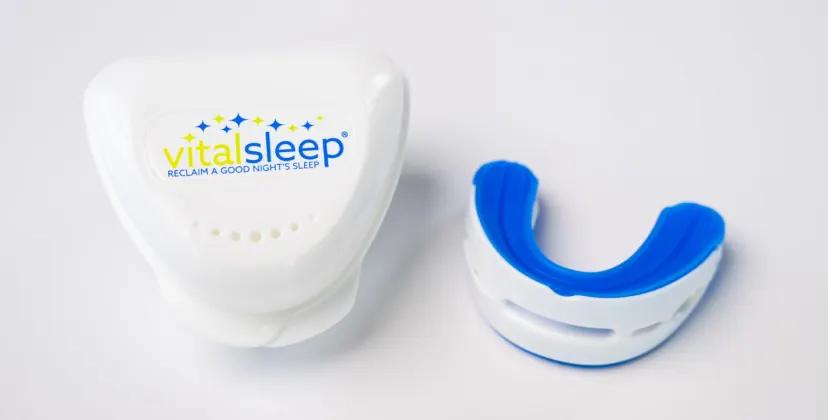
The Surprising Ways Caffeine Can Affect Your Snoring
5. Increases Anxiety and Stress
Caffeine is known to increase the production of the stress hormone cortisol. High levels of cortisol can lead to feelings of anxiety and stress, which can cause muscle tension and make it more difficult for you to relax and fall asleep. As mentioned earlier, increased muscle tension in the throat can lead to snoring, so consuming caffeine can indirectly contribute to snoring through its effects on anxiety and stress.
How to Minimize the Effects of Caffeine on Snoring
If you are a snorer and regularly consume caffeine, there are steps you can take to minimize its effects. Here are some tips to help you reduce the impact of caffeine on your snoring:
1. Limit Caffeine Intake
The most obvious solution is to limit your caffeine intake, especially in the afternoon and evening. Instead of relying on caffeine to keep you awake, try to get enough sleep and establish a consistent sleep schedule.
2. Avoid Caffeine Close to Bedtime
As mentioned earlier, caffeine can disrupt your sleep patterns if consumed too close to bedtime. To ensure a good night’s rest, avoid consuming caffeine at least 4-6 hours before going to bed.
3. Stay Hydrated
To counteract the dehydrating effects of caffeine, make sure to drink plenty of water throughout the day. This will help keep your mucus membranes lubricated, reducing the likelihood of snoring.
4. Practice Relaxation Techniques
If you find yourself feeling anxious or stressed, try practicing relaxation techniques such as deep breathing, meditation, or yoga. These techniques can help reduce muscle tension and promote relaxation, making it easier for you to fall asleep and reducing the likelihood of snoring.
5. Seek Medical Advice
If you suffer from acid reflux or other underlying medical conditions that may contribute to your snoring, it’s essential to seek medical advice. Your doctor can help you manage these conditions and provide personalized recommendations for managing your snoring.
In conclusion, while caffeine may be a necessary part of your daily routine, it’s essential to be aware of its potential effects on your snoring. By understanding how caffeine affects your body and implementing the tips mentioned above, you can minimize its impact on your snoring and improve your overall sleep quality.