
Blog post:
When we think of snoring, we often associate it with poor sleep quality and loud, disruptive noises. However, snoring can also have surprising effects on our endurance in sports. From reducing oxygen intake to impacting muscle recovery, snoring can significantly impact an athlete’s performance. In this blog post, we will dive into the surprising ways snoring can affect your endurance in sports and what you can do to improve your overall athletic performance.
Reduced oxygen intake
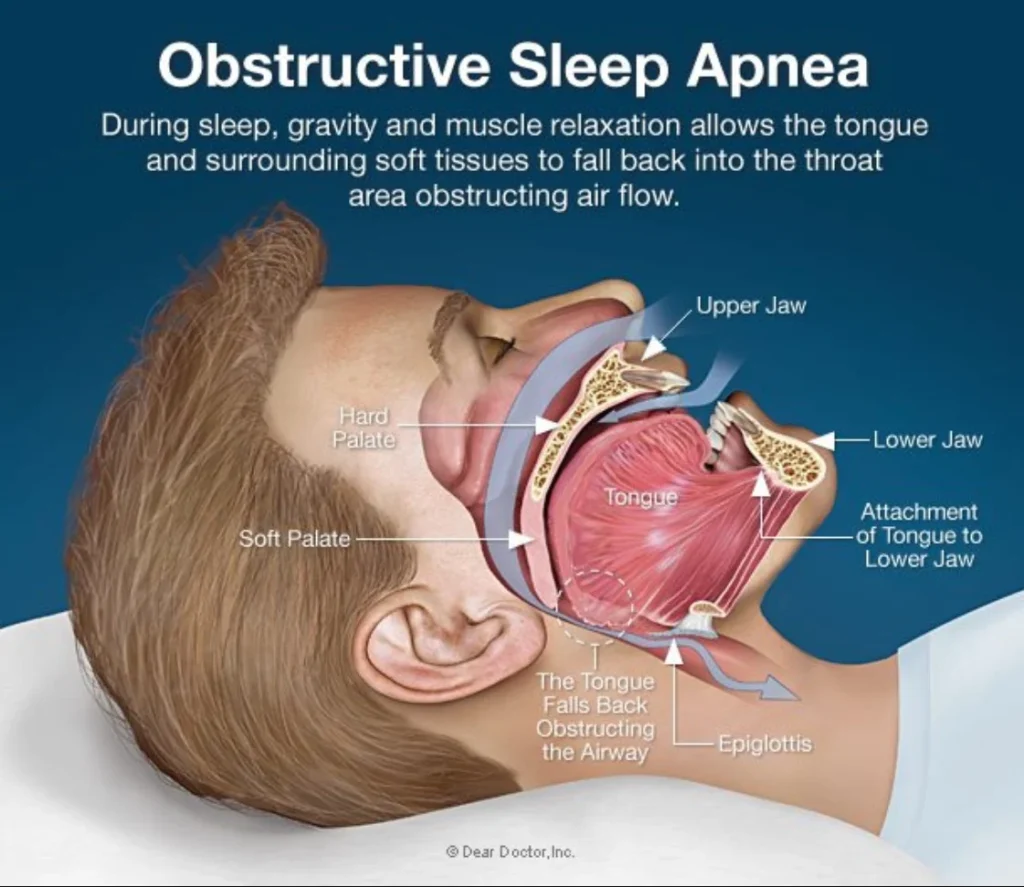
One of the most significant factors that contribute to an athlete’s endurance is their ability to take in enough oxygen. During physical activity, our muscles require a constant supply of oxygen to function effectively. However, snoring can interfere with this process by obstructing the airway. When we snore, the soft tissues in our throat and mouth vibrate, causing a narrowing of the airway. This can lead to a decrease in oxygen intake, making it more challenging to maintain endurance during physical activity.
Snoring can also lead to sleep apnea, a condition where an individual stops breathing multiple times during sleep. This can further reduce oxygen intake and cause disruptions in sleep, leading to fatigue and decreased athletic performance. Athletes who experience sleep apnea may find themselves feeling tired and drained during the day, making it challenging to maintain their training and competition schedule.
Impaired muscle recovery
Another surprising way snoring affects endurance in sports is through impaired muscle recovery. During sleep, our bodies repair and rebuild muscles that have been stressed during physical activity. However, snoring and sleep apnea can disrupt this process, leading to slower muscle recovery times. This can be detrimental to an athlete’s performance, as they may experience muscle fatigue and soreness for more extended periods, making it challenging to maintain their training routine.
Research has also shown that individuals who snore or have sleep apnea may have lower levels of growth hormone, which is essential for muscle repair and recovery. This further highlights the impact of snoring on an athlete’s endurance and overall physical performance.
Decreased energy levels
Snoring can also lead to decreased energy levels, making it challenging to maintain endurance during physical activity. When we snore, our sleep quality can be significantly disrupted, leading to daytime fatigue and drowsiness. This can affect an athlete’s ability to stay focused and energized during training and competition. Furthermore, poor sleep quality can also lead to mood swings, irritability, and decreased motivation, which can negatively impact an athlete’s endurance and overall performance.
The Surprising Ways Snoring Affects Your Endurance in Sports
Increased risk of injuries
Snoring can also increase an athlete’s risk of injuries. As mentioned earlier, snoring can lead to reduced oxygen intake and impaired muscle recovery, both of which can make an athlete more prone to injuries. Without enough oxygen, our muscles are more likely to fatigue, leading to a higher risk of strains, sprains, and other injuries. Additionally, if our muscles are not properly repaired and recovered, they may not be able to handle the stress of physical activity, making an athlete more susceptible to injuries.
Tips for improving endurance in sports
Now that we understand the surprising ways snoring can affect endurance in sports, let’s explore some tips for improving athletic performance.
1. Seek treatment for snoring and sleep apnea: If you or someone you know experiences snoring or sleep apnea, it is crucial to seek treatment. This can include lifestyle changes, such as losing weight, avoiding alcohol and smoking, and sleeping on your side. In more severe cases, a doctor may recommend a continuous positive airway pressure (CPAP) machine to help keep the airway open during sleep.
2. Prioritize sleep hygiene: Getting enough quality sleep is crucial for an athlete’s endurance and overall performance. This includes establishing a regular sleep schedule, creating a comfortable sleep environment, and avoiding stimulants like caffeine close to bedtime.
3. Stay hydrated: Proper hydration is essential for maintaining endurance during physical activity. Athletes should aim to drink enough water throughout the day to stay adequately hydrated.
4. Incorporate strength training: Along with cardiovascular exercises, incorporating strength training into your workout routine can help improve muscle strength and endurance. This can also help prevent injuries and improve overall athletic performance.
5. Monitor your diet: Eating a balanced and nutritious diet is essential for an athlete’s endurance. Make sure to fuel your body with the right nutrients to help improve muscle recovery and energy levels.
Summary:
Snoring may seem like a harmless annoyance, but it can have surprising effects on an athlete’s endurance in sports. From reduced oxygen intake to impaired muscle recovery, snoring can significantly impact an athlete’s performance. It can also lead to decreased energy levels, increased risk of injuries, and disrupt sleep quality. However, by seeking treatment, prioritizing sleep hygiene, and incorporating strength training and a balanced diet, athletes can improve their endurance and overall athletic performance.