
Snoring is often seen as a minor inconvenience, causing disruptions in sleep for the snorer and anyone sharing a bed with them. However, it may come as a surprise to learn that snoring can have a significant impact on our joint health. Joint health refers to the condition of our joints, which are the connections between our bones that allow us to move. In this blog post, we will explore the surprising ways that snoring can affect our joint health and what we can do to prevent it.
1. Increased Risk of Sleep Apnea
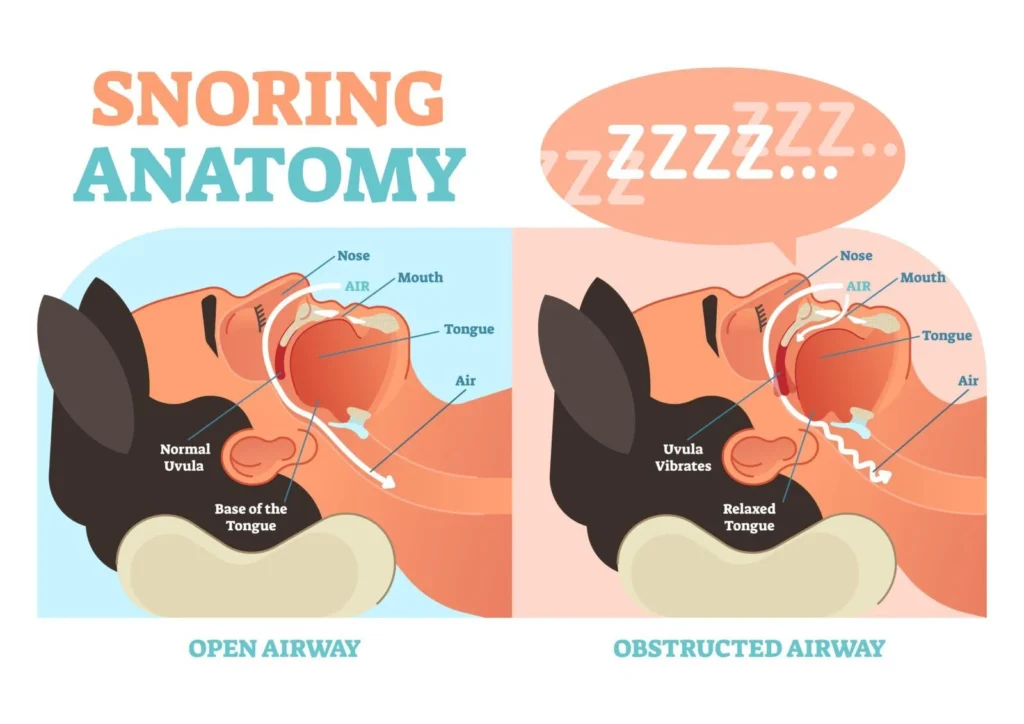
Snoring is a common symptom of sleep apnea, a sleep disorder that causes interruptions in breathing during sleep. When we snore, the airway in our throat becomes obstructed, causing the characteristic loud noise. However, in sleep apnea, the obstruction is more severe, causing the person to stop breathing for periods of time. This can lead to a lack of oxygen in the body, which can have a significant impact on our joint health.
2. Impact on the Temporomandibular Joint (TMJ)
The temporomandibular joint (TMJ) is the joint that connects the jawbone to the skull. When we snore, the muscles in our jaw and throat become tense, putting pressure on the TMJ. This constant strain can lead to TMJ disorder, a condition that causes pain and discomfort in the jaw, face, and neck. People with TMJ disorder may experience difficulty chewing, clicking or popping sounds in the jaw, and even headaches. Snoring can also cause the jaw to shift out of alignment, further exacerbating TMJ disorder.
3. Increased Inflammation
Snoring can also lead to increased inflammation in the body, which can have a detrimental impact on our joints. Inflammation is the body’s natural response to injury or illness, but when it becomes chronic, it can lead to various health issues, including joint pain and stiffness. When we snore, the tissues in our throat vibrate, causing microtraumas that can lead to inflammation. This can also increase the risk of developing conditions like rheumatoid arthritis, an autoimmune disorder that causes inflammation in the joints.
The Surprising Ways Snoring Can Affect Your Joint Health
4. Sleep Deprivation
Snoring can also result in inadequate sleep, which can have a significant impact on our joint health. When we don’t get enough sleep, our bodies do not have enough time to repair and regenerate, leading to increased inflammation and a weakened immune system. Lack of sleep can also lead to fatigue and pain, making it difficult to perform daily activities and exercise, both of which are crucial for maintaining joint health.
5. Exacerbation of Existing Joint Conditions
For those who already have joint conditions like osteoarthritis or rheumatoid arthritis, snoring can worsen their symptoms. As mentioned earlier, snoring can lead to inflammation, which can be especially harmful to those with joint conditions. The lack of restful sleep and increased strain on the joints can cause flare-ups and intensify pain and discomfort.
So, what can we do to prevent snoring and its effects on our joint health? The most effective solution is to address the underlying cause of snoring, which is often related to lifestyle habits. Maintaining a healthy weight, avoiding alcohol and sedatives before bedtime, and sleeping on your side instead of your back can all help reduce snoring. In more severe cases, seeking medical treatment for sleep apnea can also alleviate snoring and prevent its impact on joint health.
In conclusion, snoring may seem like a minor annoyance, but it can have a surprising impact on our joint health. From increasing the risk of sleep apnea to exacerbating existing joint conditions, snoring can have a domino effect on our overall well-being. By addressing the root cause of snoring and making lifestyle changes, we can prevent its detrimental effects on our joint health and improve our overall quality of life.
SEO metadata: