
Blog Post Title: The Surprising Ways Your Sleep Position Affects Your Snoring
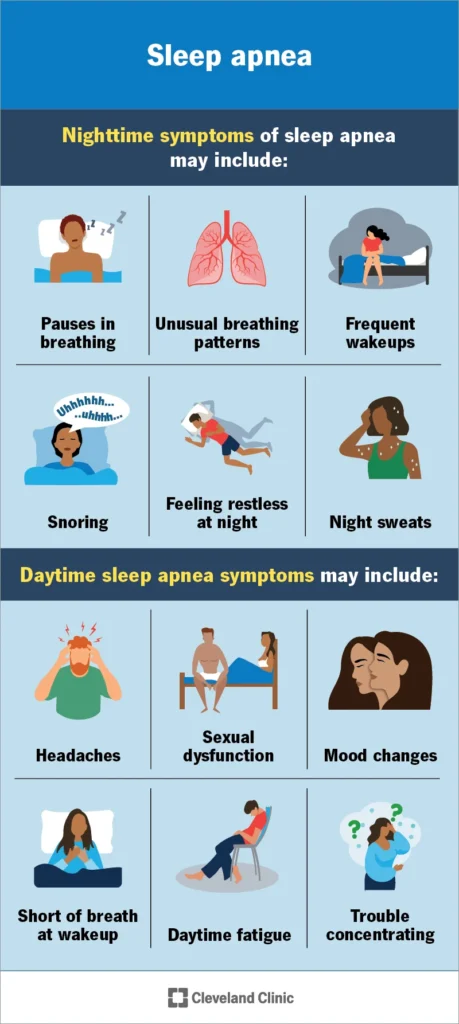
Everyone snores from time to time, but for some, it can be a chronic issue that affects their sleep quality and overall health. While there are various factors that can contribute to snoring, one often overlooked aspect is sleep position. Yes, the way you sleep can have a significant impact on your snoring, and understanding this correlation can help you find ways to minimize or even eliminate snoring altogether. In this blog post, we will explore the surprising ways your sleep position affects your snoring and how you can make simple changes to improve your sleep and reduce snoring.
The Science Behind Snoring
Before we dive into the effects of sleep position on snoring, let’s understand the science behind snoring. Snoring occurs when the flow of air through the mouth and nose is obstructed during sleep. This obstruction can be caused by various factors such as enlarged tonsils, nasal congestion, or a relaxed throat. When the airway is partially blocked, the air passing through creates vibrations in the soft tissues, resulting in the snoring sound.
Sleep Position and Snoring
Now that we understand the basics of snoring, let’s look at how sleep position can affect it. The three main sleep positions are back, stomach, and side sleeping. Each of these positions has its impact on snoring.
1. Back Sleeping and Snoring
Sleeping on your back is the most common sleep position, and it is also the position that is most likely to lead to snoring. When you sleep on your back, the tongue and soft tissues in your throat can relax and block the airway, leading to snoring. Additionally, the position of your head and neck can also contribute to snoring. When you sleep on your back, your head and neck are in an unnatural position, which can cause the airway to become narrower, making it easier for the soft tissues to vibrate and result in snoring.
2. Stomach Sleeping and Snoring
Sleeping on your stomach can also contribute to snoring. When you sleep on your stomach, your neck is turned to one side, which can cause the airway to become blocked. Also, this position can put pressure on your diaphragm, making it harder for you to breathe, and leading to snoring. However, stomach sleeping can also have a positive effect on snoring for some people. If you have a deviated septum or suffer from allergies, sleeping on your stomach can help keep your airway clear, reducing snoring.
3. Side Sleeping and Snoring
Side sleeping is considered the best sleep position for reducing snoring. When you sleep on your side, gravity helps keep your airway open, reducing the risk of obstruction. Additionally, side sleeping can also help prevent your tongue from falling back and blocking the airway. However, it is essential to note that not all side sleeping positions are equally beneficial for snoring. Sleeping on your right side can worsen snoring as it puts pressure on the heart and lungs, while sleeping on the left side can help reduce snoring.
The Surprising Ways Your Sleep Position Affects Your Snoring
Simple Changes to Improve Sleep and Reduce Snoring
Now that we have explored how sleep position affects snoring, let’s look at some simple changes that you can make to improve your sleep and reduce snoring.
1. Elevate Your Head
Elevating your head while sleeping can help reduce snoring. The elevation helps keep the airway open, reducing the chances of obstruction. You can use extra pillows to elevate your head or invest in an adjustable bed that allows you to sleep in a slightly elevated position.
2. Use a Body Pillow
Using a body pillow can help you maintain a side sleeping position throughout the night. Body pillows can help prevent you from rolling onto your back, which can contribute to snoring. Additionally, they can also help keep your spine aligned, reducing the pressure on your airway.
3. Try Sleeping on a Different Side
If you are a side sleeper, but still struggle with snoring, try switching sides. As mentioned earlier, sleeping on your left side can help reduce snoring, so give it a try and see if it makes a difference.
4. Avoid Alcohol and Sedatives
Alcohol and sedatives can cause the muscles in your throat to relax further, leading to increased snoring. If you are a snorer, it is best to avoid these substances before bedtime.
5. Use Nasal Strips or Sprays
Nasal strips or sprays can help open up your nasal passages, making it easier to breathe and reducing snoring. These are particularly helpful for those who suffer from allergies or have a deviated septum.
In summary, snoring is a common issue that can significantly impact your sleep quality and overall health. While there are various causes of snoring, your sleep position can have a surprising effect on it. Back sleeping is the most likely to lead to snoring, while side sleeping is the best position for reducing snoring. Making simple changes, such as elevating your head or using a body pillow, can help improve your sleep and reduce snoring. It is essential to experiment with different sleep positions to find the one that works best for you.