
Caffeine is a widely consumed substance that is found in many popular beverages such as coffee, tea, energy drinks, and soda. It is known for its ability to keep us alert and energized, making it a staple in our daily routines. However, there are also many misconceptions and myths surrounding caffeine, particularly when it comes to its relationship with snoring. In this blog post, we will separate fact from fiction and uncover the truth about caffeine and snoring.
Myth #1: Caffeine Causes Snoring
One of the most common beliefs is that consuming caffeine can lead to snoring. However, there is no scientific evidence to support this claim. Snoring is caused by the relaxation of the muscles in the throat, which obstructs the airway and causes vibrations in the soft tissue. Caffeine does not have any direct effect on these muscles, and therefore, does not cause snoring.
Myth #2: Caffeine Can Cure Snoring
On the other hand, some people believe that caffeine can be used as a remedy for snoring. This is also a misconception as caffeine does not have any impact on the muscles in the throat. While it may keep you awake and alert, it does not address the root cause of snoring. In fact, consuming caffeine before bedtime can worsen snoring as it can interfere with your sleep cycle and cause restlessness.
Fact #1: Caffeine Can Affect Your Sleep
While caffeine may not directly cause or cure snoring, it can have an impact on your sleep quality. Caffeine is a stimulant that can keep you awake and alert, making it difficult to fall asleep. It can also reduce the amount of deep sleep that you get, which is crucial for restorative rest. This can lead to daytime drowsiness and fatigue, making you more prone to snoring.
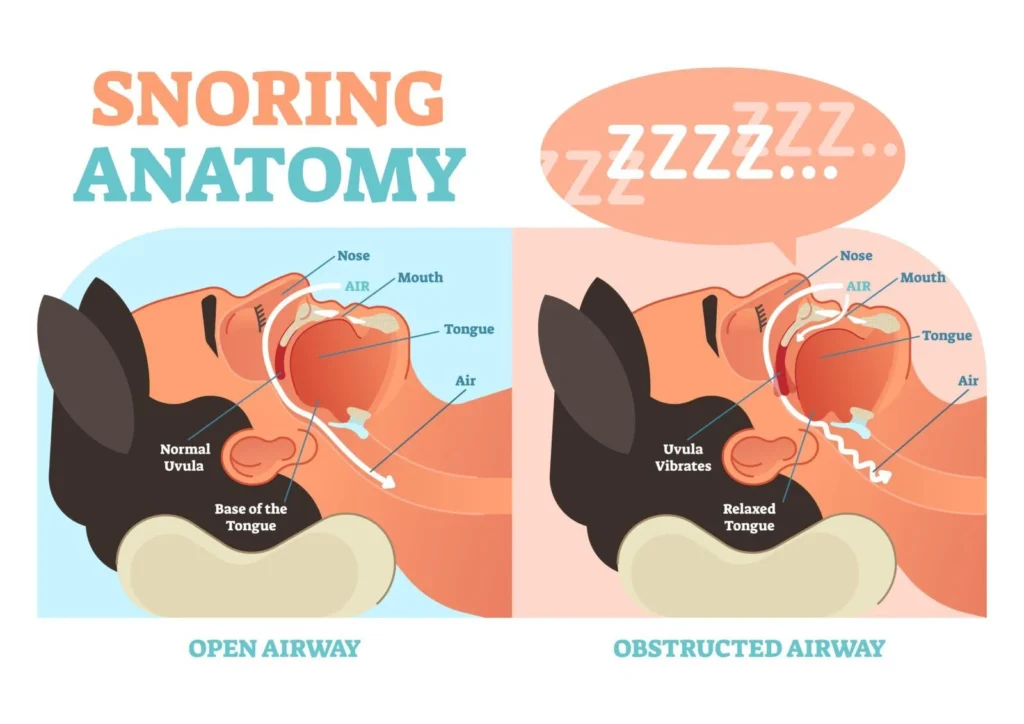
The Truth About Caffeine and Snoring: Separating Fact from Fiction
Fact #2: Caffeine Can Induce Acid Reflux
Another way that caffeine can indirectly contribute to snoring is by causing acid reflux. When consumed in large amounts, caffeine can relax the lower esophageal sphincter, which is responsible for preventing stomach acid from flowing back up into the esophagus. This can lead to acid reflux, which can irritate the throat and cause snoring.
Fact #3: Caffeine Can Interfere with Your Breathing
In addition to its effects on sleep and acid reflux, caffeine can also affect your breathing. It is a diuretic, which means that it can increase the frequency of urination. This can cause dehydration, which can lead to the production of thicker mucus in the nose and throat. This can make breathing more difficult, and in turn, contribute to snoring.
The Bottom Line
While caffeine may not directly cause or cure snoring, it can indirectly affect your sleep, breathing, and acid reflux, all of which can contribute to snoring. It is essential to consume caffeine in moderation, especially close to bedtime, to avoid these effects. Additionally, if you are a snorer, it is important to address the root cause of your snoring, such as weight gain or sleep apnea, rather than relying on caffeine as a solution.
In conclusion, the relationship between caffeine and snoring is often misunderstood, leading to many myths and misconceptions. While caffeine does not directly cause or cure snoring, it can have an impact on your sleep, breathing, and acid reflux, all of which can contribute to snoring. It is important to consume caffeine in moderation and address the underlying causes of snoring for a good night’s rest.