
Menopause is a natural and inevitable stage in a woman’s life, marking the end of her reproductive years. It typically occurs between the ages of 45 and 55, although it can happen earlier or later for some women. During this time, the body goes through significant hormonal changes, which can result in a variety of symptoms, including hot flashes, mood swings, and sleep disturbances. One of the lesser-known symptoms of menopause is snoring, which can significantly impact a woman’s quality of life. In this blog post, we will discuss the truth about menopause and snoring, including its causes, symptoms, and solutions.
Causes of Snoring During Menopause
The exact cause of snoring during menopause is not fully understood, but it is believed to be linked to the hormonal changes that occur during this stage. As women go through menopause, their levels of estrogen and progesterone decrease, which can lead to changes in the tissues of the upper airway. These changes can cause the airway to narrow, making it more difficult for air to pass through, resulting in snoring.
Another potential cause of snoring during menopause is weight gain. As women age, their metabolism slows down, and they may experience weight gain, especially around the waist and neck. This extra weight can put pressure on the airway, making it more likely to collapse and cause snoring.
Symptoms of Snoring During Menopause
The most obvious symptom of snoring during menopause is the loud, disruptive sound that occurs when a person sleeps. However, snoring can also lead to other symptoms, including daytime fatigue, irritability, and difficulty concentrating. It can also disrupt the sleep of a partner, causing strain on the relationship.
In addition to the physical symptoms, snoring during menopause can also have psychological effects on women. Many women may feel embarrassed or self-conscious about their snoring, causing them to avoid sleeping in the same room as their partner or even traveling with them. This can have a significant impact on their quality of life and relationships.
Solutions for Snoring During Menopause
Fortunately, there are several solutions available for women who are experiencing snoring during menopause. The first step is to consult with a doctor to rule out any underlying medical conditions that may be causing the snoring. If no underlying issues are found, there are several lifestyle changes and treatments that can help reduce snoring.
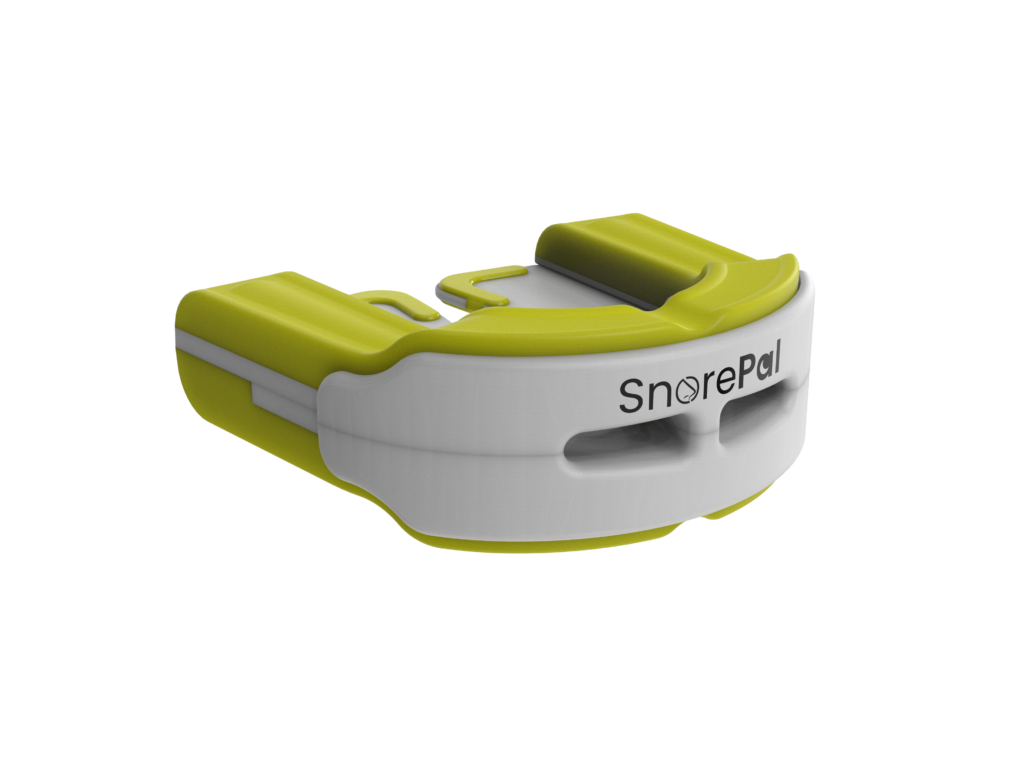
The Truth About Menopause and Snoring: Causes, Symptoms, and Solutions
One of the most effective ways to reduce snoring during menopause is to maintain a healthy weight. Losing weight can help reduce the pressure on the airway and improve breathing during sleep. Women can also try sleeping on their side instead of their back, as this can help keep the airway open. Elevating the head of the bed can also help reduce snoring.
In some cases, a doctor may recommend using a continuous positive airway pressure (CPAP) machine to help keep the airway open during sleep. This machine delivers a constant flow of air through a mask, preventing the airway from collapsing and reducing snoring. Other treatments, such as oral appliances or surgery, may also be recommended in severe cases.
Managing Menopause and Snoring
In addition to these solutions, there are also lifestyle changes that women can make to help manage both menopause and snoring. These include practicing good sleep hygiene, such as avoiding caffeine and alcohol before bed, and establishing a regular sleep schedule. Women can also try relaxation techniques, such as yoga or meditation, to help reduce stress and promote better sleep.
It is also essential for women to address any underlying issues that may be contributing to their snoring, such as allergies or sinus problems. These can be treated with medication or lifestyle changes to help improve breathing and reduce snoring.
In some cases, hormone replacement therapy (HRT) may be recommended to help manage menopause symptoms, including snoring. However, HRT comes with potential risks and side effects, so it is essential to consult with a doctor before starting this treatment.
In summary, snoring during menopause is a common but often overlooked symptom of this stage in a woman’s life. It is caused by hormonal changes and weight gain, and it can have significant physical and psychological effects on women. However, with proper management and treatment, women can find relief from snoring and improve their overall quality of life during menopause.