
Blog post:
Do you or your partner struggle with snoring? If so, you’re not alone. Snoring affects approximately 90 million American adults, and it can lead to sleep disruptions, irritability, and even health issues. Fortunately, there are various solutions available, including mouthpieces. However, before you invest in a mouthpiece, it’s essential to understand the truth about snoring and how mouthpieces work. In this blog post, we’ll discuss seven crucial facts to know before using a mouthpiece for snoring.
Fact #1: Snoring is a Common Problem
As mentioned earlier, snoring is a widespread issue, and it can affect people of all ages and genders. While it may seem like a minor annoyance, snoring can lead to more severe health problems, such as sleep apnea. It’s essential to address snoring early on to prevent it from developing into something more serious.
Fact #2: Snoring is Caused by Obstruction
Contrary to popular belief, snoring is not caused by the nose or mouth. Instead, it’s caused by an obstruction in the airway, such as a relaxed tongue or narrowed throat. When air tries to pass through the obstruction, it creates vibrations that result in the familiar snoring sound. This understanding is crucial when choosing a snoring solution.
Fact #3: Mouthpieces Work by Keeping the Airway Open
Mouthpieces for snoring work by keeping the airway open and preventing obstructions. They are typically made of plastic and are worn during sleep. There are two types of mouthpieces: mandibular advancement devices (MAD) and tongue retaining devices (TRD). MADs work by moving the lower jaw forward, while TRDs hold the tongue in place, keeping it from blocking the airway.
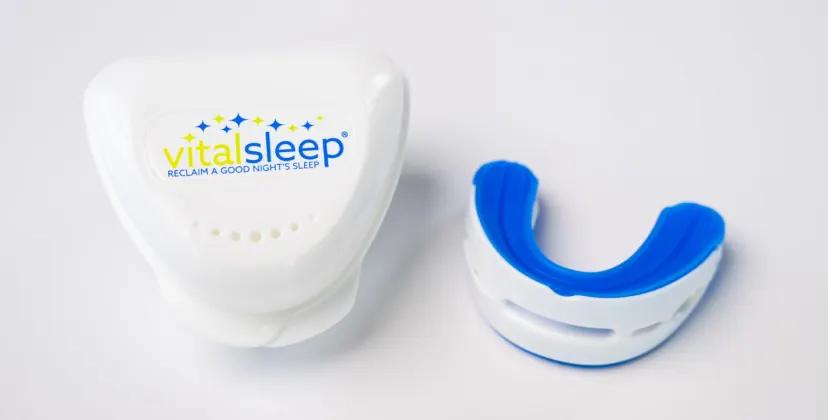
The Truth About Snoring: 7 Facts to Know Before Using a Mouthpiece
Fact #4: Mouthpieces are Effective for Mild to Moderate Snoring
Mouthpieces are highly effective for mild to moderate snoring. According to a study published in the Journal of Clinical Sleep Medicine, MADs were found to reduce snoring and improve sleep quality in 86% of patients. However, for severe snoring or sleep apnea, a mouthpiece may not be as effective, and a different treatment may be necessary.
Fact #5: It May Take Time to Adjust to a Mouthpiece
Wearing a mouthpiece may feel uncomfortable at first, and it may take some time to adjust to it. Some people may experience jaw pain or find it difficult to fall asleep with the mouthpiece in. It’s essential to give yourself time to get used to the mouthpiece and make adjustments as needed. If you continue to experience discomfort, consult with your dentist or physician.
Fact #6: Not All Mouthpieces are Created Equal
With the increasing popularity of mouthpieces for snoring, there are many options available on the market. However, not all mouthpieces are created equal. It’s essential to do your research and choose a mouthpiece that is FDA-approved and has positive reviews from users. You may also want to consult with a dentist or sleep specialist for recommendations.
Fact #7: Proper Maintenance is Necessary
Like any dental appliance, proper maintenance is crucial for a mouthpiece to be effective. It’s essential to clean your mouthpiece regularly with a toothbrush and toothpaste, as well as soak it in a denture cleaner or mouthwash. Additionally, it’s essential to replace your mouthpiece every six to nine months to ensure its effectiveness and hygiene.
In summary, snoring is a common problem caused by an airway obstruction, and mouthpieces work by keeping the airway open. They are highly effective for mild to moderate snoring, but it may take time to adjust to them. Not all mouthpieces are created equal, and proper maintenance is necessary for them to work effectively. Understanding these seven facts about snoring and mouthpieces can help you make an informed decision about whether a mouthpiece is the right solution for you.