
The Truth About Snoring and Pregnancy: What Every Expecting Mother Should Know
Pregnancy is a beautiful and transformative experience for many women, but it also comes with its fair share of challenges. One of these challenges that is often overlooked is snoring. Yes, you read that right – snoring. While snoring may seem like a minor inconvenience, it can actually have significant impacts on both the expecting mother and the unborn baby. In this blog post, we will explore the truth about snoring and pregnancy and provide expecting mothers with valuable information and tips to help them navigate this issue.
Understanding Snoring
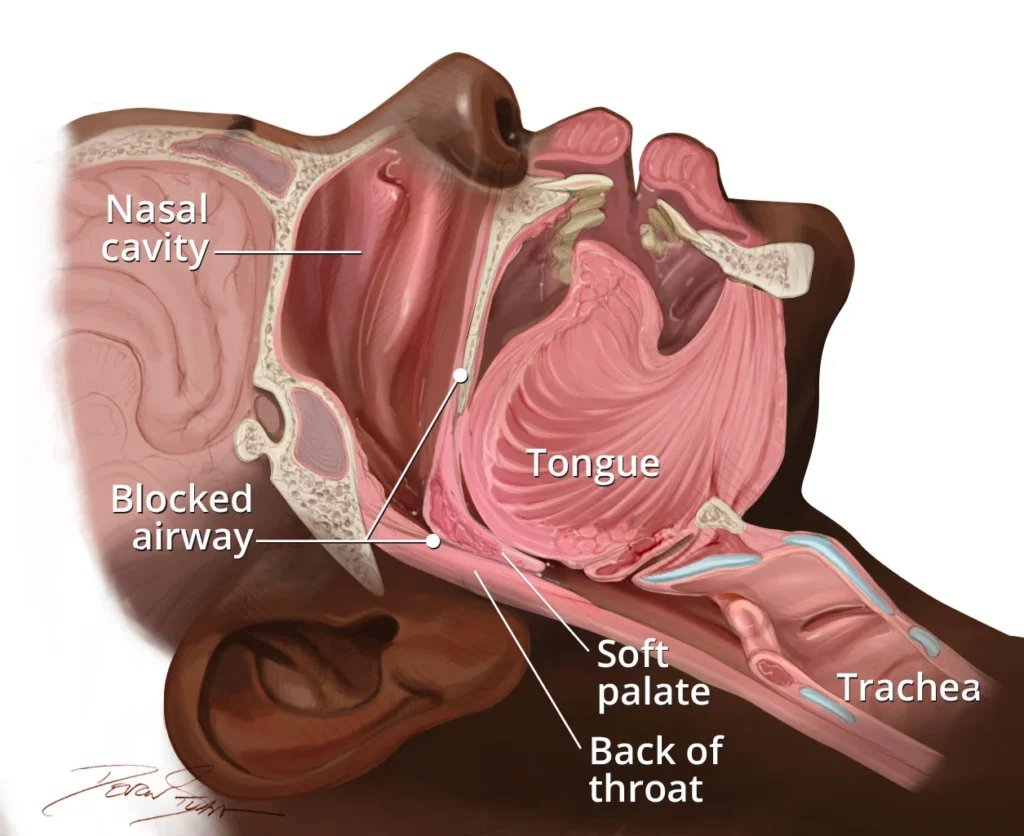
Before we dive into the connection between snoring and pregnancy, it’s important to understand what snoring actually is. Snoring is the sound that occurs when air flows through the relaxed tissues in the throat, causing them to vibrate. This can be due to various factors such as narrow airways, excess weight, or nasal congestion. While snoring can affect anyone, it is more prevalent in men and older individuals. However, pregnancy can also be a contributing factor to snoring.
Snoring During Pregnancy
Pregnancy hormones can cause the muscles in the body to relax, including the muscles in the throat. This relaxation can lead to the narrowing of the airways, making it more difficult for air to pass through and resulting in snoring. Additionally, as the baby grows, the uterus puts pressure on the diaphragm, causing it to expand and compress the lungs, which can also contribute to snoring.
Health Risks for the Expecting Mother
Snoring during pregnancy can lead to various health risks for the expecting mother. The most common issue is interrupted sleep, which can lead to fatigue, irritability, and difficulty concentrating. This lack of sleep can also affect the immune system, making pregnant women more susceptible to illnesses. Chronic snoring during pregnancy has also been linked to an increased risk of developing gestational diabetes, high blood pressure, and preeclampsia.
The Truth About Snoring and Pregnancy: What Every Expecting Mother Should Know
Impact on the Unborn Baby
Snoring not only affects the expecting mother but can also have an impact on the unborn baby. Frequent snoring can lead to a decrease in oxygen levels, which can then affect the baby’s growth and development. It has also been linked to an increased risk of preterm birth and low birth weight. In some cases, snoring can even be a sign of sleep apnea, which can have more severe consequences for both the mother and baby.
Tips for Managing Snoring During Pregnancy
If you are pregnant and experiencing snoring, there are some steps you can take to manage it and improve your sleep quality. First and foremost, it’s important to maintain a healthy weight and exercise regularly. This can help reduce the risk of snoring by keeping the airways open. Additionally, using a pregnancy pillow can help support your body and alleviate pressure on the diaphragm. Sleeping on your side instead of your back can also help reduce snoring. If you have nasal congestion, using a humidifier or nasal strips can help open up the airways and reduce snoring.
When to Seek Medical Help
In some cases, snoring during pregnancy can be a sign of a more serious issue such as sleep apnea. If your snoring is severe and accompanied by pauses in breathing, gasping for air, or daytime sleepiness, it’s essential to consult with your doctor. They may recommend a sleep study to determine the cause of your snoring and provide appropriate treatment.
In conclusion, snoring during pregnancy is a common issue that can have significant impacts on both the mother and baby. It’s essential for expecting mothers to be aware of the potential health risks and take steps to manage and reduce snoring. By maintaining a healthy lifestyle, using supportive sleep aids, and seeking medical help when necessary, pregnant women can improve their sleep quality and ensure the well-being of their unborn baby.
Summary:
Pregnancy can bring about many changes, including snoring. Snoring during pregnancy is caused by hormonal changes and the expanding uterus, and can lead to health risks for the expecting mother and the unborn baby. It’s important for expecting mothers to maintain a healthy weight, use supportive sleep aids, and seek medical help if necessary. By taking these steps, snoring can be managed and reduced, ensuring a healthier and more restful pregnancy.