
Blog Post Title: The Truth About Snoring and Sleep Paralysis: How a Mouthpiece Can Help
Summary:
Snoring and sleep paralysis are two common sleep disorders that can greatly impact one’s quality of life. While snoring may seem like a mere annoyance, it can actually be a symptom of a more serious underlying issue. Sleep paralysis, on the other hand, is a terrifying experience that can leave individuals feeling helpless and afraid. Fortunately, there is a solution that can help with both of these issues – a mouthpiece.
In this blog post, we will explore the truth about snoring and sleep paralysis, and how a mouthpiece can provide relief and improve overall sleep quality. We will discuss the causes and effects of these sleep disorders, as well as the benefits and effectiveness of using a mouthpiece. So, if you or a loved one is struggling with snoring or sleep paralysis, read on to learn more about how a mouthpiece can make a positive impact on your sleep and overall well-being.
Understanding Snoring:
Snoring is a common sleep disorder that affects approximately 90 million adults in the United States alone. It occurs when the airway is partially blocked, causing vibrations in the throat tissues and resulting in the familiar snoring sound. While occasional snoring may not be a cause for concern, chronic snoring can be a sign of a more serious condition known as obstructive sleep apnea (OSA).
OSA is a potentially life-threatening disorder where the airway becomes completely blocked during sleep, causing individuals to stop breathing for short periods. This can lead to a decreased oxygen supply to the body, resulting in interrupted sleep and a host of other health problems, such as high blood pressure, heart disease, and stroke. Additionally, snoring can also disrupt the sleep of those around the snorer, causing strain on relationships and daytime fatigue for both parties.
The Role of a Mouthpiece in Treating Snoring:
One of the most effective solutions for snoring is the use of a mouthpiece, also known as a mandibular advancement device (MAD). This device is designed to be worn during sleep and works by moving the lower jaw forward, thus opening up the airway and preventing the vibrations that cause snoring. MADs are custom-made to fit each individual’s mouth, ensuring maximum comfort and effectiveness.
Some of the benefits of using a mouthpiece for snoring include:
1. Improved Sleep Quality: By keeping the airway open, a mouthpiece can help individuals with snoring and OSA to sleep more soundly and wake up feeling refreshed.
2. Reduced Health Risks: By treating snoring and OSA, a mouthpiece can help reduce the risk of developing serious health issues such as high blood pressure, heart disease, and stroke.
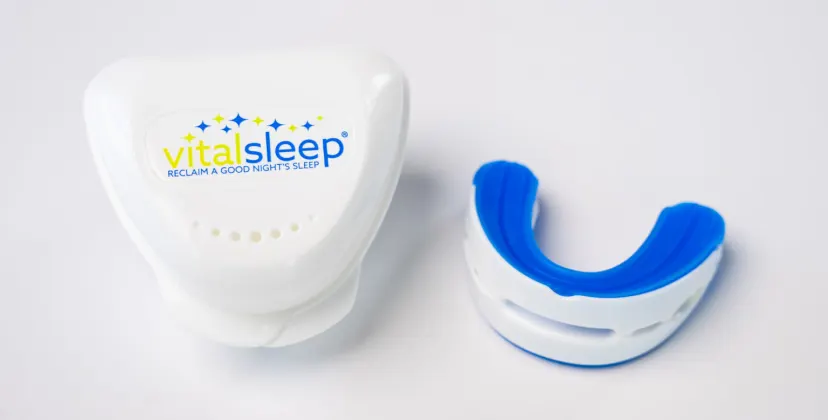
The Truth About Snoring and Sleep Paralysis: How a Mouthpiece Can Help
3. Better Relationships: Snoring can cause strain on relationships, especially for partners who share a bed. By using a mouthpiece, individuals can sleep more peacefully, leading to better communication and a stronger bond.
Understanding Sleep Paralysis:
Sleep paralysis is a condition where individuals experience a temporary inability to move or speak while falling asleep or waking up. It occurs when the body is in between the stages of sleep and wakefulness, and the brain is still in a state of paralysis, which is a natural occurrence during REM sleep. However, in sleep paralysis, the individual becomes aware of their surroundings while still in this state, causing feelings of fear and helplessness.
The Role of a Mouthpiece in Treating Sleep Paralysis:
While there is no direct cure for sleep paralysis, a mouthpiece can be an effective tool in managing and reducing its frequency. Since sleep paralysis is often linked to sleep disorders such as snoring and OSA, using a mouthpiece to treat these conditions can also help alleviate sleep paralysis episodes. By keeping the airway open and promoting a more restful sleep, a mouthpiece can reduce the risk of experiencing sleep paralysis.
Other Helpful Tips for Managing Sleep Disorders:
Aside from using a mouthpiece, there are other lifestyle changes that can be beneficial in managing sleep disorders such as snoring and sleep paralysis. These include:
1. Maintaining a Healthy Weight: Being overweight or obese can increase the risk of developing sleep disorders. By maintaining a healthy weight, individuals can reduce the strain on their airway and improve their overall sleep quality.
2. Avoiding Alcohol and Sedatives: These substances can relax the muscles in the throat, leading to increased snoring and a higher risk of experiencing sleep paralysis.
3. Practicing Good Sleep Hygiene: This includes following a regular sleep schedule, avoiding caffeine and heavy meals close to bedtime, and creating a comfortable sleep environment.
In conclusion, snoring and sleep paralysis can greatly impact one’s quality of life and overall health. Fortunately, a simple solution such as a mouthpiece can provide relief and improve sleep quality for those struggling with these disorders. By understanding the causes and effects of these conditions and implementing helpful tips, individuals can take control of their sleep and improve their overall well-being.
SEO metadata: