
The Ultimate Guide to Avoiding Alcohol for Better Sleep
We all know that getting enough sleep is crucial for our physical and mental well-being. Yet, many of us struggle with falling or staying asleep. One of the major culprits for this is alcohol consumption. While alcohol can initially make you feel drowsy and help you fall asleep faster, it can actually disrupt your sleep patterns and lead to poor quality sleep. In this guide, we will explore the impact of alcohol on sleep and provide practical tips on how to avoid it for better sleep.
The Effects of Alcohol on Sleep
Before diving into how to avoid alcohol for better sleep, let’s first understand the effects it has on our sleep. While alcohol is a depressant and can make you feel sleepy, it actually disrupts the natural sleep cycle. This is because alcohol interferes with the production of melatonin, the hormone responsible for regulating our sleep-wake cycle. It also acts as a diuretic, causing frequent bathroom trips that can interrupt sleep.
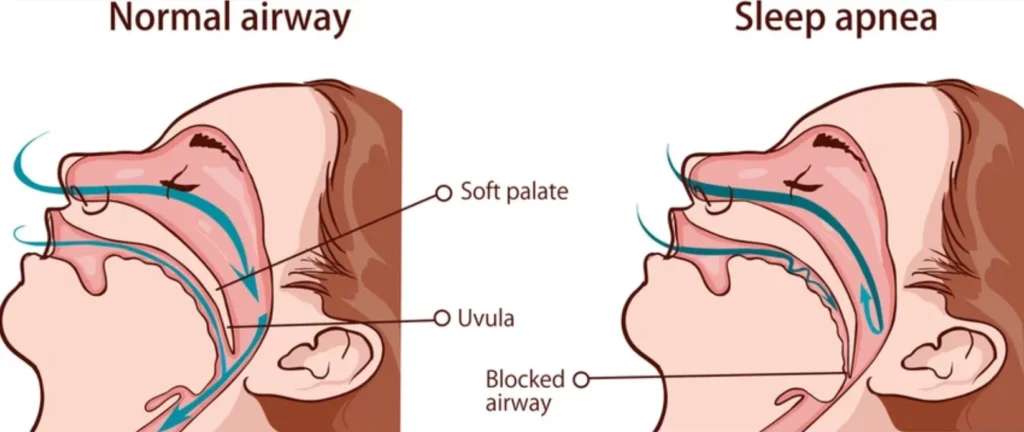
Furthermore, alcohol can also worsen sleep disorders such as sleep apnea. It relaxes the muscles in the throat, making it easier for the airway to collapse and obstruct breathing. This can lead to fragmented sleep and leave you feeling tired and groggy the next day. Additionally, alcohol can also increase the likelihood of snoring, which can disturb your partner’s sleep as well as your own.
The Link between Alcohol and Insomnia
Insomnia, which is the inability to fall or stay asleep, is a common sleep disorder that affects millions of people worldwide. And alcohol consumption has been found to be a major contributor to insomnia. Studies have shown that alcohol can increase the time it takes to fall asleep, decrease the amount of deep sleep, and cause more frequent awakenings throughout the night. This can result in poor sleep quality and leave you feeling fatigued and irritable the next day.
Moreover, regular alcohol use can lead to tolerance, meaning you will need more alcohol to achieve the same sedative effect. This can lead to alcohol dependence and further disrupt your sleep patterns. It can also worsen underlying mental health conditions such as anxiety and depression, which are already known to contribute to insomnia.
Tips for Avoiding Alcohol for Better Sleep
Now that we understand the negative impact of alcohol on our sleep, let’s explore some practical tips for avoiding it for better sleep.
1. Set Limits and Stick to Them
The Ultimate Guide to Avoiding Alcohol for Better Sleep
It’s essential to set limits for yourself when it comes to alcohol consumption. The recommended limits for adults are no more than one drink per day for women and two drinks per day for men. Stick to these limits and avoid binge drinking, which is defined as consuming four or more drinks in a single sitting for women and five or more for men. Binge drinking can significantly disrupt your sleep and lead to other health issues.
2. Avoid Alcohol Close to Bedtime
It’s best to avoid alcohol consumption at least 2-3 hours before bedtime. This will give your body enough time to metabolize the alcohol and reduce its effects on your sleep. It’s also important to note that even small amounts of alcohol can lead to disrupted sleep, so it’s best to avoid it altogether close to bedtime.
3. Find Alternative Ways to Relax
Many people turn to alcohol as a way to wind down and relax after a long day. However, there are many other healthy and effective ways to relax without alcohol. Some options include taking a warm bath, practicing deep breathing or meditation, reading a book, or listening to calming music. Experiment with different relaxation techniques and find what works best for you.
4. Create a Soothing Sleep Environment
Creating a peaceful and comfortable sleep environment can also help you avoid alcohol for better sleep. Make sure your bedroom is cool, dark, and quiet. Invest in a comfortable mattress and pillows, use blackout curtains to block out light, and consider white noise machines to drown out any disruptive noises. A soothing and relaxing sleep environment can help you fall asleep faster and stay asleep longer without the need for alcohol.
5. Seek Professional Help if Needed
If you find yourself struggling with alcohol consumption and its impact on your sleep, it’s essential to seek professional help. A therapist or counselor can help you address any underlying issues that may be contributing to your alcohol use and develop healthier coping mechanisms. They can also provide support and guidance on how to reduce or quit alcohol consumption for better sleep.
Conclusion
In conclusion, avoiding alcohol is crucial for achieving better sleep. While it may seem like a quick fix for falling asleep, it has many negative effects on our sleep patterns and overall health. By setting limits, avoiding alcohol close to bedtime, finding alternative ways to relax, creating a soothing sleep environment, and seeking professional help if needed, you can improve your sleep and overall well-being.
SEO metadata: