
Summary:
Snoring can be a frustrating and disruptive problem for both the snorer and their partner. Luckily, there are many anti-snoring aids available on the market to help alleviate and even eliminate snoring. However, with so many options, it can be overwhelming to choose the right one. In this Ultimate Guide, we will break down the different types of anti-snoring aids and provide tips on how to choose the right one for you.
Firstly, it is important to understand the causes of snoring. Snoring can be caused by various factors such as nasal congestion, sleep apnea, or a misaligned jaw. It is crucial to identify the root cause of your snoring before choosing an anti-snoring aid. Consulting with a doctor or sleep specialist can help determine the underlying issue and guide you in selecting the most effective aid.
Next, let’s explore the different types of anti-snoring aids available. Nasal strips, nasal dilators, and nasal sprays work by opening up the nasal passages to improve airflow. Tongue stabilizing devices (TSDs) and mandibular advancement devices (MADs) focus on keeping the tongue and jaw in a forward position to prevent the tongue from blocking the airway. Anti-snoring pillows and throat sprays also claim to reduce snoring by promoting better sleep posture and lubricating the throat, respectively.
When deciding on an anti-snoring aid, it is essential to consider your personal preferences and needs. For example, if you are a side sleeper, a pillow designed for side sleepers may be more suitable for you. If you have sensitive skin, you may want to opt for a non-adhesive nasal strip or dilator. It is also crucial to consider factors such as comfort, durability, and ease of use. Some aids may take time to get used to, so it is crucial to give them a fair trial before making a decision.
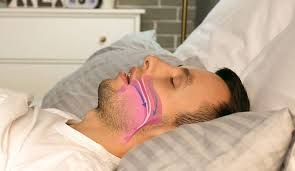
The Ultimate Guide to Choosing the Right Anti-Snoring Aid
Another crucial aspect to consider is the cost of the anti-snoring aid. Prices can vary significantly, and some aids may require replacement parts or regular maintenance, adding to the overall cost. It is important to weigh the cost against the effectiveness of the aid. A more expensive aid may be worth the investment if it provides long-term relief from snoring.
One factor that should not be overlooked is the safety and effectiveness of the anti-snoring aid. It is essential to do thorough research on the product and read reviews from other users to ensure that it is safe and has a high success rate in reducing snoring. Some aids may have potential side effects, so it is crucial to consult with a doctor if you have any underlying health conditions or are taking any medications.
Furthermore, it is essential to be realistic about the effectiveness of anti-snoring aids. While some may work wonders for some people, they may not be as effective for others. It is important to have realistic expectations and understand that finding the right aid may require some trial and error.
In addition to using anti-snoring aids, there are also lifestyle changes that can help reduce snoring. Maintaining a healthy weight, avoiding alcohol and sedatives before bedtime, and sleeping on your side instead of your back can all contribute to reducing snoring. Combining these lifestyle changes with the right anti-snoring aid can result in significant improvement in snoring.
In conclusion, choosing the right anti-snoring aid requires understanding the root cause of snoring, considering personal preferences and needs, weighing the cost and effectiveness, and being realistic about expectations. It may also require trying out different aids before finding the one that works best for you. Remember to consult with a doctor if you have any concerns or underlying health conditions. With patience and perseverance, you can find the right anti-snoring aid and enjoy a peaceful, snore-free sleep.