
Summary:
Snoring and sinus issues are common problems that can greatly affect a person’s quality of sleep and overall health. Many people turn to mouthpieces as a solution to alleviate these issues, but with so many options available, it can be overwhelming to choose the right one. In this ultimate guide, we will discuss the different types of mouthpieces for snoring and sinus issues, their benefits and drawbacks, and how to choose the best one for your specific needs.
First, we will explore the different types of mouthpieces available. There are two main categories: mandibular advancement devices (MADs) and tongue retaining devices (TRDs). MADs work by pushing the lower jaw forward, opening up the airway and reducing snoring. TRDs, on the other hand, hold the tongue in place to prevent it from blocking the airway. Both types have their own advantages and it’s important to understand how they work in order to make an informed decision.
Next, we will discuss the benefits and drawbacks of using a mouthpiece for snoring and sinus issues. One of the biggest benefits is the potential for a better night’s sleep. Snoring can disrupt sleep for both the snorer and their partner, and using a mouthpiece can greatly reduce or eliminate snoring. Additionally, mouthpieces can also help with sinus issues by keeping the airway open and allowing for better breathing. However, some people may experience discomfort or difficulty getting used to wearing a mouthpiece, and it may not be suitable for those with certain dental conditions.
When it comes to choosing the right mouthpiece, there are a few important factors to consider. Firstly, it’s important to consult with a doctor or dentist before using a mouthpiece, especially if you have any pre-existing dental or medical conditions. They can provide guidance on the best type of mouthpiece for you. Additionally, it’s important to choose a mouthpiece that is FDA approved and made from high-quality materials to ensure safety and effectiveness.
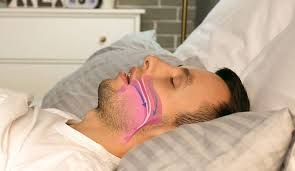
The Ultimate Guide to Choosing the Right Mouthpiece for Snoring and Sinus Issues
Another important factor to consider is the fit and adjustability of the mouthpiece. A good mouthpiece should be adjustable to fit your mouth comfortably and securely. Some mouthpieces may also come with a fitting process to ensure a custom fit. It’s also important to consider the material of the mouthpiece, as some people may have allergies or sensitivities to certain materials.
Cost is also a factor to consider, as mouthpieces can range from affordable to quite expensive. It’s important to weigh the cost against the potential benefits and effectiveness of the mouthpiece. It may also be worth considering if your health insurance covers the cost of a mouthpiece, as some plans do cover it as a medical device.
In addition to the physical aspects of choosing a mouthpiece, it’s also important to consider your personal preferences and lifestyle. Some mouthpieces may require more maintenance and cleaning, while others may be more convenient for travel. It’s also important to be committed to using the mouthpiece consistently in order to see results.
Lastly, it’s important to have realistic expectations when using a mouthpiece for snoring and sinus issues. While it can greatly improve sleep and breathing, it may not completely eliminate snoring or sinus issues for everyone. It’s important to monitor the effectiveness of the mouthpiece and make any necessary adjustments or consult a doctor if necessary.
In conclusion, choosing the right mouthpiece for snoring and sinus issues is a personal decision that should be made after considering various factors such as type, fit, material, cost, and personal preferences. Consulting with a medical professional and doing proper research can help in making an informed decision. With the right mouthpiece, a better night’s sleep and improved breathing can be achieved, leading to a happier and healthier life.