
Blog Post Summary:
Snoring and allergies can be a major inconvenience for both the person suffering and their sleeping partners. They can disrupt sleep, cause health issues, and affect the overall quality of life. One common solution to these problems is the use of a mouthpiece. However, with so many different options on the market, it can be overwhelming to determine which one is the best for your needs. In this ultimate mouthpiece guide, we will discuss the different types of mouthpieces available for snoring and allergy relief, their pros and cons, and provide tips for choosing the right one for you.
The first type of mouthpiece we will explore is the mandibular advancement device (MAD). This mouthpiece works by holding the lower jaw in a forward position, thus opening up the airway and reducing the vibrations that cause snoring. This type of mouthpiece is usually recommended for people with mild to moderate snoring and can also be beneficial for those with allergies as it can help keep the airway clear.
Next, we have tongue retaining devices (TRD), which are similar to MADs but focus on keeping the tongue in place instead of the jaw. These are often recommended for people with obstructive sleep apnea and severe snoring. They can also be helpful for those with allergies as they prevent the tongue from blocking the airway.
Another option is the nasal dilator, which is a small device that is inserted into the nostrils to help keep them open. This can be beneficial for those with nasal congestion caused by allergies, as it allows for easier breathing through the nose and can reduce snoring. However, it may not be as effective for those with more severe snoring or sleep apnea.
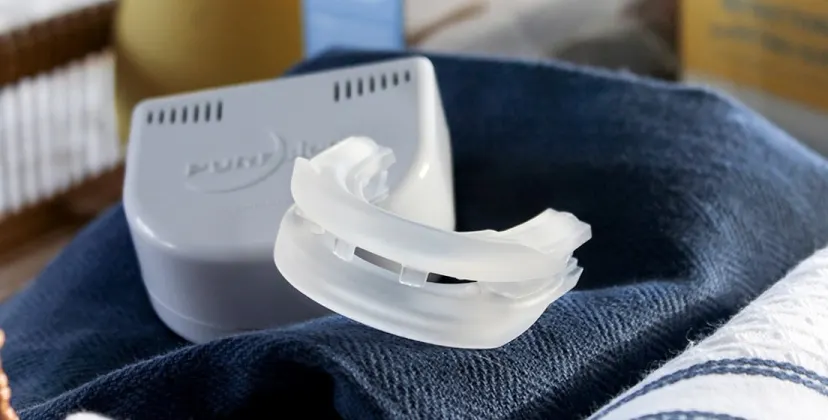
The Ultimate Mouthpiece Guide for Snoring and Allergy Relief
For those who prefer a more natural approach, there are also anti-snoring mouthpieces made from silicone or other materials that hold the tongue or jaw in place. These do not require a custom fit and can be a more affordable option, but may not be as effective as the custom-made mouthpieces.
When choosing a mouthpiece, it is important to consider factors such as comfort, effectiveness, and cost. Custom-made mouthpieces, while more expensive, tend to be more comfortable and effective as they are specifically designed for the individual’s mouth. However, there are also over-the-counter options available that may work well for some people.
It is also important to consult with a dentist or sleep specialist before purchasing a mouthpiece. They can help determine the cause of snoring or allergies and recommend the best type of mouthpiece for your specific needs.
In addition to using a mouthpiece, there are other lifestyle changes that can help reduce snoring and allergy symptoms. These include maintaining a healthy weight, avoiding allergens, quitting smoking, and practicing good sleep hygiene.
In summary, snoring and allergies can be effectively managed with the use of a mouthpiece. With various options available, it is important to consider factors such as comfort, effectiveness, and cost when choosing the right one for you. Consulting with a professional and making lifestyle changes can also aid in the management of these issues.