
Snoring is a common issue that affects millions of people worldwide. It occurs when the airway becomes partially blocked during sleep, causing vibrations in the throat that produce the familiar snoring sound. Not only can snoring be disruptive to your own sleep, but it can also affect your partner’s sleep and potentially lead to more serious health issues. Many people turn to mouthpieces as a solution to their snoring problem, as they can help keep the airway open and reduce snoring. However, transitioning to using a mouthpiece can be a challenge for some people. In this blog post, we will discuss tips for a successful transition to using a mouthpiece for snoring.
1. Consult with a Doctor
Before making any changes to your sleep routine, it is important to consult with a doctor first. They can help determine the root cause of your snoring and recommend the best course of action. They may also recommend a specific type of mouthpiece that will work best for your individual needs.
2. Start Slowly
Transitioning to using a mouthpiece can take some time and it is important to start slowly. Begin by wearing the mouthpiece for short periods of time during the day to get used to the feeling in your mouth. This will also allow your jaw and facial muscles to adjust to the mouthpiece.
3. Get the Right Fit
One of the most important factors in a successful transition to using a mouthpiece is getting the right fit. A mouthpiece that is too loose or too tight can cause discomfort and potentially worsen your snoring. Consider getting a custom-fit mouthpiece from a dentist or sleep specialist for the best results.
4. Practice Proper Cleaning and Maintenance
Just like any other oral appliance, a mouthpiece needs to be cleaned and maintained regularly. This is not only important for hygiene purposes but also to ensure that the mouthpiece remains effective in reducing snoring. Follow the manufacturer’s instructions for cleaning and storing the mouthpiece properly.
5. Be Patient
Transitioning to using a mouthpiece may not provide immediate results. It may take some time for your body to fully adjust and for the mouthpiece to effectively reduce your snoring. Be patient and give the mouthpiece a chance to work before giving up on it.
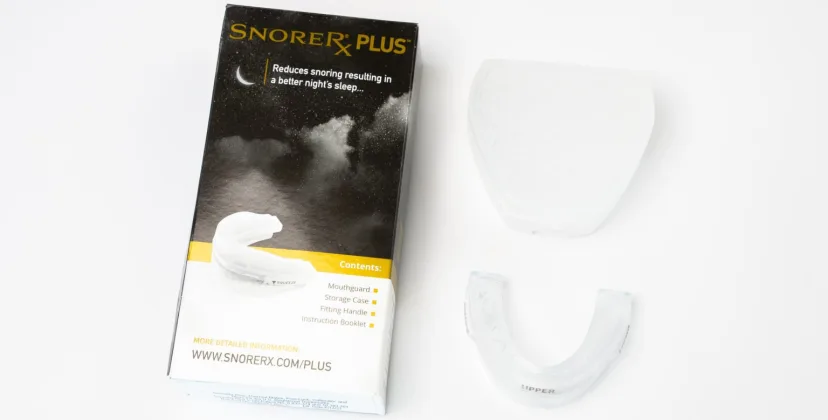
Tips for a Successful Transition to Using a Mouthpiece for Snoring
6. Use a Saline Rinse
Some people may experience discomfort or dryness in their mouth and throat when using a mouthpiece. This can be relieved by using a saline rinse before and after wearing the mouthpiece. This will help keep your mouth and throat moist and reduce any potential irritation.
7. Combine with Other Solutions
While a mouthpiece can be an effective solution for snoring, it may not work for everyone. Consider combining the use of a mouthpiece with other solutions such as changing your sleeping position, using nasal strips, or even trying natural remedies like essential oils or throat exercises.
8. Don’t Give Up on CPAP
If you have been using a CPAP machine for your snoring and are considering transitioning to a mouthpiece, don’t give up on your CPAP machine completely. It may still be necessary for you to use it in combination with the mouthpiece to effectively reduce your snoring.
9. Be Mindful of Any Side Effects
As with any new device or treatment, it is important to be mindful of any potential side effects. Some people may experience jaw pain, teeth shifting, or excess saliva when using a mouthpiece. If these side effects persist, consult with your doctor or try a different type of mouthpiece.
10. Stick with It
Lastly, it is important to stick with the transition to using a mouthpiece. It may take some time and adjustment, but the benefits of reduced snoring and improved sleep are worth it. Don’t give up on the mouthpiece too soon and give your body the time it needs to adjust.
In summary, transitioning to using a mouthpiece for snoring can be a challenging process. It is important to consult with a doctor, start slowly, get the right fit, practice proper cleaning and maintenance, be patient, use a saline rinse, combine with other solutions, not give up on CPAP, be mindful of any side effects, and stick with it. With these tips in mind, you can have a successful transition to using a mouthpiece for snoring and enjoy a better night’s sleep.