
Blog Post Title: Tips for Better Sleep with Snoring and Deviated Septum
Are you struggling to get a good night’s sleep due to snoring and a deviated septum? You’re not alone. These two common sleep issues can greatly impact the quality of your sleep and leave you feeling tired and irritable during the day. But don’t worry, there are steps you can take to improve your sleep and reduce the effects of snoring and a deviated septum. In this blog post, we’ll discuss some tips for better sleep with these two conditions.
Understanding Snoring and Deviated Septum
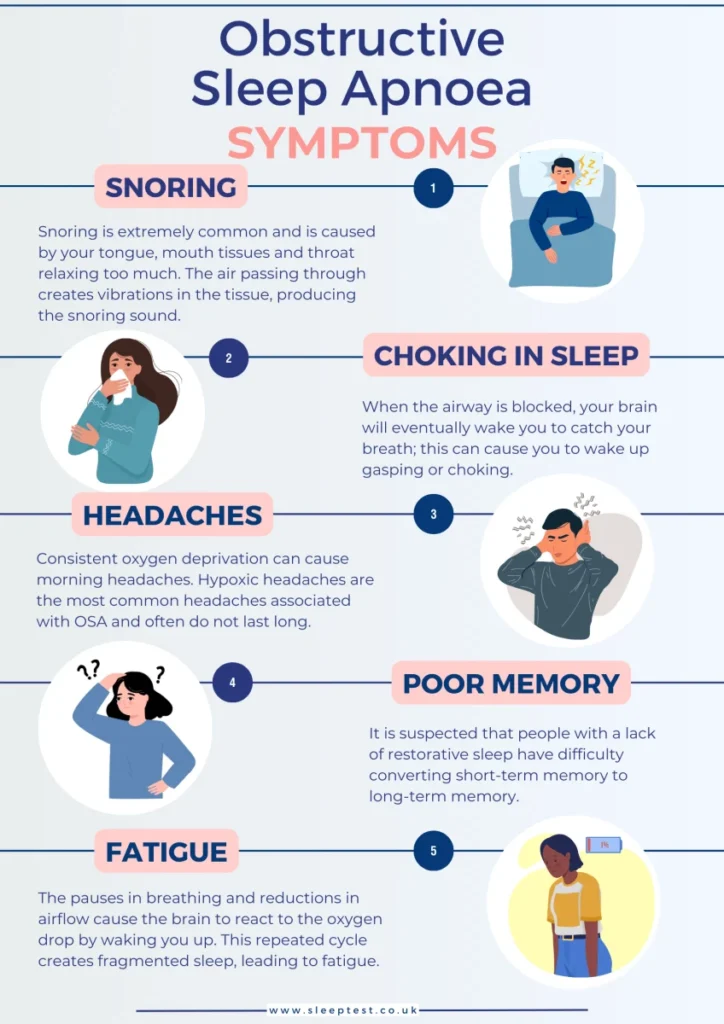
Before diving into the tips, let’s first understand what snoring and a deviated septum are. Snoring is a common condition that occurs when the airway is partially blocked, causing vibrations in the soft tissues of the throat. This can be caused by factors such as allergies, nasal congestion, or having a large tongue or tonsils.
On the other hand, a deviated septum occurs when the thin wall between the nostrils is crooked or off-center, making it difficult for air to pass through freely. This can lead to breathing difficulties, snoring, and even sleep apnea.
Now that we have a better understanding of these conditions, let’s explore some tips to improve your sleep.
1. Keep Your Bedroom Clean and Dust-Free
One of the main causes of snoring is allergies, which can be triggered by dust, pet dander, and other allergens. To reduce the chances of snoring due to allergies, it’s important to keep your bedroom clean and dust-free. Regularly vacuuming and dusting your bedroom, washing your bedding in hot water, and keeping pets out of the bedroom can all help reduce the amount of allergens present.
2. Use Nasal Strips or Nasal Dilators
Nasal strips and nasal dilators are simple and non-invasive devices that can help open up your nasal passages and improve airflow. Nasal strips are adhesive strips that you place over the bridge of your nose, while nasal dilators are small, flexible devices that are inserted into the nostrils. These devices can be helpful for those with a deviated septum, as they can help keep the airway open and reduce snoring.
3. Elevate Your Head While Sleeping
Tips for Better Sleep with Snoring and Deviated Septum
Elevating your head while sleeping can help reduce snoring by keeping your airway open. You can achieve this by using an extra pillow or investing in an adjustable bed. Additionally, sleeping on your side instead of your back can also help reduce snoring.
4. Try a Humidifier
Dry air can irritate the nasal passages and make it difficult to breathe, leading to snoring. Using a humidifier in your bedroom can add moisture to the air and help alleviate congestion and snoring. It’s important to regularly clean and change the water in the humidifier, as dirty water can harbor bacteria and mold.
5. Consider Surgery for a Deviated Septum
If your deviated septum is severe and causing significant breathing difficulties, surgery may be an option. Septoplasty is a surgical procedure that straightens the nasal septum and can improve breathing and reduce snoring. However, it’s important to discuss the risks and benefits of surgery with your doctor before making a decision.
6. Use Essential Oils
Certain essential oils, such as eucalyptus, peppermint, and lavender, can help open up the airways and promote better breathing. You can either diffuse these oils in your bedroom or apply them topically before bed. Just make sure to use high-quality, pure oils and avoid any that may trigger allergies.
7. Maintain a Healthy Weight
Being overweight or obese can contribute to snoring, as excess weight can lead to a buildup of fatty tissue in the throat, obstructing the airway. Maintaining a healthy weight through a balanced diet and regular exercise can help reduce snoring and improve overall health.
In addition to these tips, it’s important to address any underlying health issues that may be contributing to snoring and a deviated septum. These may include allergies, sinus infections, or sleep apnea. Consulting with a doctor and addressing these issues can greatly improve your sleep and quality of life.
In summary, dealing with snoring and a deviated septum can be frustrating, but there are steps you can take to improve your sleep. Keeping your bedroom clean, using devices like nasal strips and humidifiers, and maintaining a healthy weight are just a few ways to reduce snoring and promote better breathing. If these tips do not provide relief, it’s important to consult with a doctor for further guidance and potential treatment options.