
Blog Post:
Snoring is a common problem that affects millions of people worldwide. Not only does it disturb the sleep of the snorer, but it can also disrupt the sleep of their partners and even lead to health issues such as sleep apnea. With the rise of different anti-snoring devices in the market, it can be challenging to determine which one is the most effective. In this blog post, we will be discussing the two most popular anti-snoring devices: tongue retaining devices and nasal strips. We will delve into their mechanisms, effectiveness, and other important factors to help you decide which one is the best for your snoring.
Tongue retaining devices, also known as tongue stabilizing devices, are oral appliances that are designed to hold the tongue in place during sleep. These devices typically consist of a suction bulb that holds the tongue and a mouthpiece that is worn over the teeth. The idea behind these devices is that by keeping the tongue in place, the airway will remain open, reducing or eliminating snoring.
On the other hand, nasal strips are adhesive strips that are placed on the bridge of the nose. These strips are designed to lift and widen the nostrils, allowing for better airflow and reducing the vibrations that cause snoring. They are made of flexible and breathable material, making them comfortable to wear while sleeping.
So, which one is more effective in reducing snoring? The answer depends on the cause of your snoring. Tongue retaining devices are more suitable for individuals who snore due to their tongue falling back and blocking the airway. These devices work by preventing the tongue from collapsing into the throat, thus keeping the airway open. On the other hand, nasal strips are more effective for those who snore due to nasal congestion or narrow nasal passages. By widening the nostrils, these strips allow for better airflow, reducing the chances of snoring.
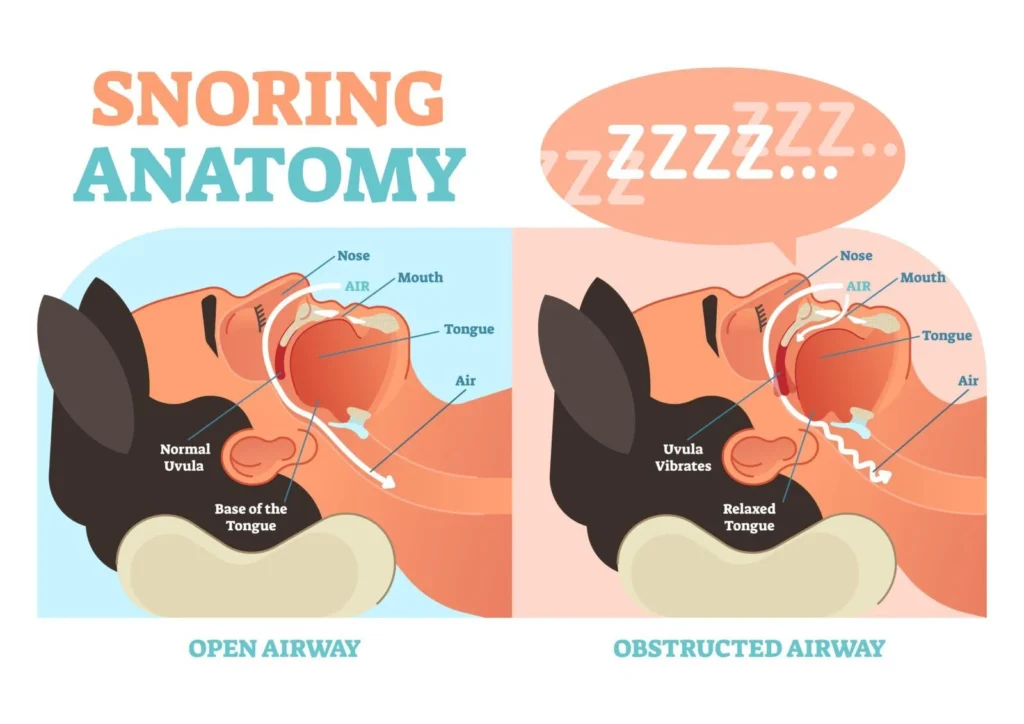
Tongue Retaining Devices vs. Nasal Strips: Which is More Effective for Snoring?
In terms of effectiveness, both tongue retaining devices and nasal strips have been proven to reduce snoring. However, tongue retaining devices have been found to be more effective in reducing the frequency and loudness of snoring compared to nasal strips. A study published in the Journal of Clinical Sleep Medicine found that tongue retaining devices reduced snoring by an average of 70%, while nasal strips only reduced it by 30%.
Aside from effectiveness, there are other factors to consider when choosing between these two anti-snoring devices. One major factor is comfort. Nasal strips are generally more comfortable to wear as they are placed on the outside of the nose. On the other hand, tongue retaining devices may take some time to get used to, and some individuals may find them uncomfortable to wear. It is also important to note that tongue retaining devices may cause excessive salivation, dry mouth, and soreness in the tongue and jaw.
Another factor to consider is the cost. Nasal strips are relatively inexpensive and can be easily purchased over the counter. On the other hand, tongue retaining devices may require a prescription and can be more costly. They also need to be custom-made to fit the individual’s mouth, adding to the cost.
It is also essential to consider the potential side effects of these devices. As mentioned earlier, tongue retaining devices may cause discomfort and side effects such as excessive salivation and dry mouth. Nasal strips may also cause skin irritation or soreness on the bridge of the nose.
In summary, both tongue retaining devices and nasal strips have their advantages and disadvantages when it comes to reducing snoring. Tongue retaining devices are more effective for individuals who snore due to their tongue falling back, while nasal strips are more suitable for those with nasal congestion or narrow nasal passages. It is important to consult with a healthcare professional to determine the cause of your snoring and which device is best for you.
In conclusion, if you are struggling with snoring, it is essential to find an effective solution to improve your sleep quality and overall well-being. Tongue retaining devices and nasal strips are both viable options, but it is crucial to consider your specific needs and consult with a healthcare professional before making a decision.