
Blog Post:
Restless Leg Syndrome (RLS) is a common sleep disorder that affects approximately 7-10% of the population. It is characterized by an uncontrollable urge to move the legs, usually accompanied by uncomfortable sensations such as tingling, itching, or burning. While the exact cause of RLS is still unknown, recent studies have uncovered a link between snoring and RLS. In this blog post, we will explore the connection between snoring and RLS and how treating snoring can help alleviate RLS symptoms.
What is Snoring?
Before we dive into the link between snoring and RLS, let’s first understand what snoring is. Snoring is the harsh or hoarse sound that occurs during sleep when the flow of air through the mouth and nose is obstructed. It is a common sleep disorder and can range from mild to severe. Snoring is caused by the vibration of tissues in the upper airway, usually the soft palate and uvula, as we breathe in and out during sleep.
The Connection between Snoring and RLS:
While snoring is often seen as a nuisance, it can have more serious consequences than just keeping your partner awake at night. Recent research has found a strong link between snoring and RLS. According to a study published in the Journal of Clinical Sleep Medicine, people who snore have a 68% higher risk of developing RLS compared to those who do not snore.
So, what is the connection between snoring and RLS? The answer lies in the sleep-disordered breathing (SDB) that occurs during snoring. SDB is a condition in which breathing is partially or completely obstructed during sleep, leading to a decrease in the flow of oxygen to the brain and body. This lack of oxygen can cause disruptions in the body’s natural sleep patterns, leading to restless legs and other sleep disorders such as sleep apnea.
How Snoring Contributes to Restless Leg Syndrome:
Snoring can contribute to RLS in several ways. Firstly, the vibrations of tissues in the upper airway during snoring can cause disruptions in sleep, leading to RLS symptoms. People who snore tend to have more fragmented sleep, with frequent awakenings during the night. These sleep disruptions can trigger the symptoms of RLS, making it difficult for the person to fall asleep and stay asleep.
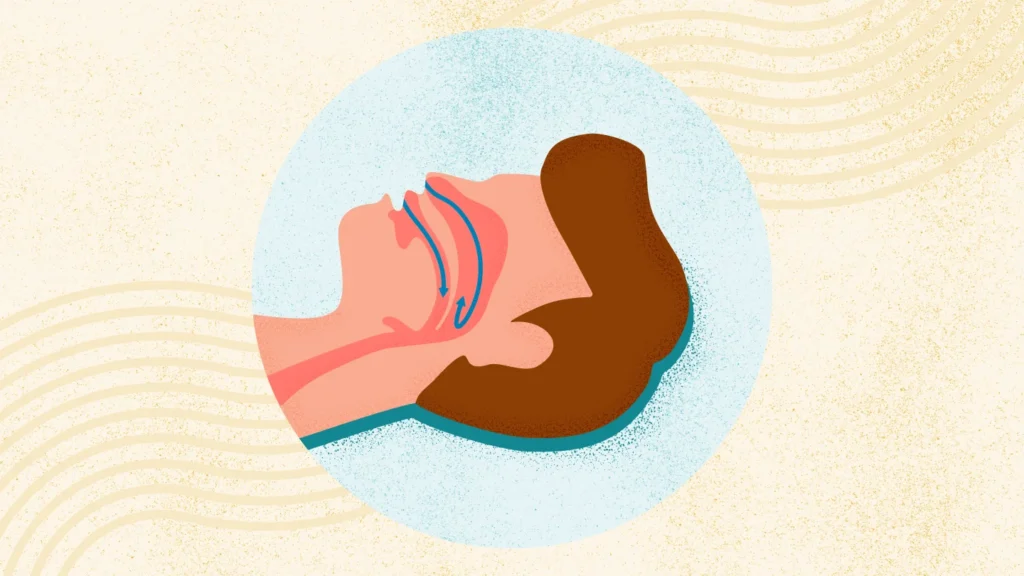
Uncovering the Link: How Snoring Contributes to Restless Leg Syndrome
Secondly, snoring can cause a decrease in the flow of oxygen to the brain and body, leading to a decrease in the production of dopamine. Dopamine is a neurotransmitter that plays a crucial role in regulating movement and sleep. Low levels of dopamine have been linked to RLS, and this is why people with RLS often experience symptoms at night when dopamine levels naturally decrease.
Lastly, snoring can also lead to sleep apnea, another sleep disorder that has been linked to RLS. Sleep apnea is a condition in which breathing is repeatedly interrupted during sleep, leading to a decrease in oxygen levels in the body. This decrease in oxygen can trigger RLS symptoms and aggravate the condition.
Treating Snoring to Alleviate RLS Symptoms:
The good news is that treating snoring can help alleviate RLS symptoms. By addressing the underlying cause of snoring, SDB, and improving sleep quality, RLS symptoms can be reduced or even eliminated. Here are a few ways to treat snoring and improve sleep quality:
1. Lifestyle Changes: Simple lifestyle changes such as losing weight, avoiding alcohol and sedatives before bed, and sleeping on your side can help reduce snoring and improve sleep quality.
2. Continuous Positive Airway Pressure (CPAP) Therapy: CPAP therapy is a common treatment for sleep apnea, but it can also be used to treat snoring. It involves wearing a mask over the nose and mouth during sleep, which delivers a continuous flow of air to keep the airway open.
3. Oral Appliances: Oral appliances are custom-made mouthpieces that help keep the airway open during sleep. They are an effective treatment for mild to moderate sleep apnea and can also help reduce snoring.
4. Surgery: In severe cases, surgery may be recommended to address the physical obstruction in the upper airway that is causing snoring.
Summary:
In summary, snoring and RLS are closely linked, with snoring being a significant risk factor for developing RLS. The vibrations of tissues in the upper airway during snoring can cause disruptions in sleep and a decrease in the flow of oxygen to the brain and body, leading to RLS symptoms. However, by treating snoring and improving sleep quality, RLS symptoms can be reduced or even eliminated. Simple lifestyle changes, CPAP therapy, oral appliances, and surgery are all effective ways to treat snoring and improve sleep quality.