
Understanding the Link Between Snoring and Tooth Loss: Causes, Effects, and Prevention
Snoring is a common problem that affects millions of people worldwide. While it may seem like a harmless annoyance, snoring can actually have serious health consequences, including tooth loss. In recent years, there has been a growing body of research linking snoring to tooth loss, highlighting the importance of understanding and addressing this issue. In this blog post, we will delve into the link between snoring and tooth loss, exploring the causes, effects, and prevention methods.
What Causes Snoring?
Before we can understand the connection between snoring and tooth loss, it’s crucial to understand what causes snoring in the first place. Snoring occurs when the airway is partially blocked during sleep, causing vibrations in the throat tissues, which produce the snoring sound. This blockage can be caused by various factors, including:
1. Obstructive Sleep Apnea (OSA): OSA is a serious sleep disorder characterized by recurrent episodes of partial or complete airway obstruction during sleep. It is estimated that 80% of snorers have OSA, which can significantly impact overall health and quality of life.
2. Enlarged Tonsils and Adenoids: In children, enlarged tonsils and adenoids are a common cause of snoring. When these tissues become enlarged, they can block the airway, leading to snoring.
3. Deviated Septum: A deviated septum is a condition where the nasal septum (the structure that divides the two nostrils) is crooked or off-center. This can cause breathing difficulties, leading to snoring.
4. Age and Gender: As we age, our throat muscles tend to weaken, making us more prone to snoring. Additionally, men are more likely to snore than women, as they have narrower air passages.
How does Snoring Lead to Tooth Loss?
Now that we’ve explored the causes of snoring let’s delve into how it can lead to tooth loss. The link between snoring and tooth loss lies in the impact of snoring on the mouth and teeth. Snoring can cause several oral health issues, including:
1. Dry Mouth: Snoring can cause mouth breathing, which can result in a dry mouth. A dry mouth is a breeding ground for bacteria, leading to tooth decay and gum disease.
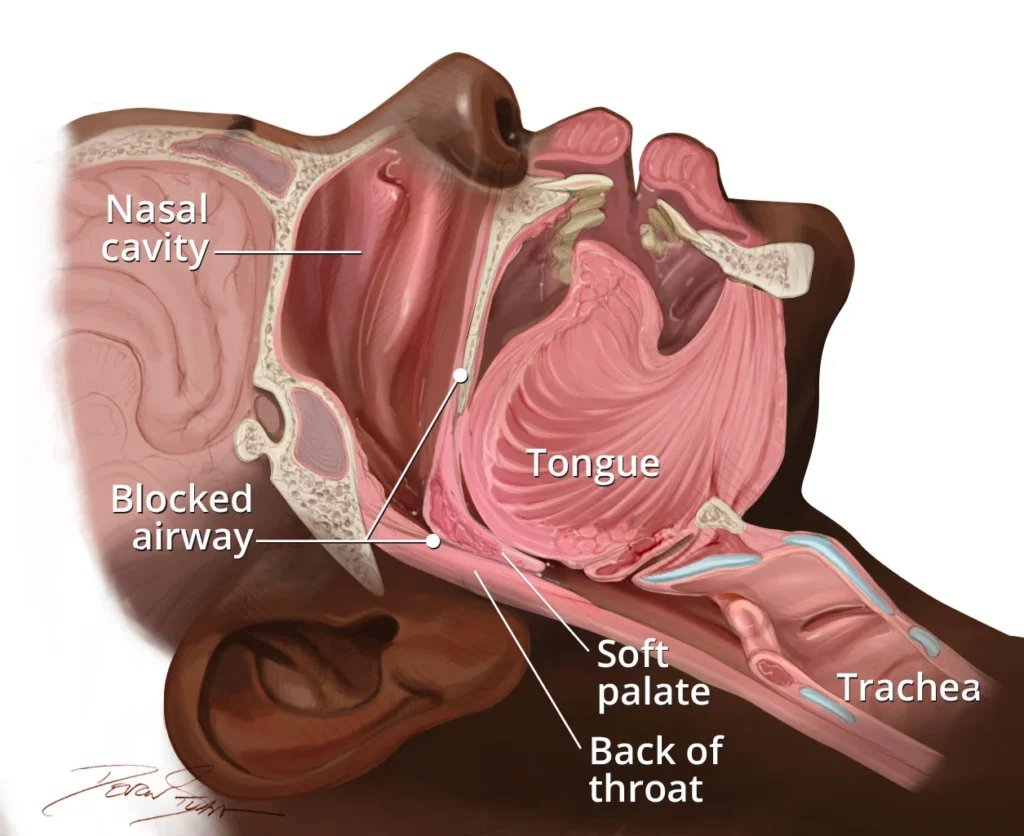
Understanding the Link Between Snoring and Tooth Loss
2. Gum Disease: People who snore may have an increased risk of developing gum disease. The vibrations from snoring can cause damage to the gum tissues, creating pockets where bacteria can thrive, leading to gum disease.
3. Tooth Grinding: Snoring can also lead to teeth grinding (bruxism). The constant vibrations from snoring can cause the teeth to grind against each other, leading to tooth wear and tear.
4. Temporomandibular Joint Disorder (TMJ): Snoring can also contribute to TMJ disorder, a condition that affects the jaw joint. The constant vibrations from snoring can cause strain on the jaw muscles, leading to pain and discomfort.
Prevention and Treatment
The good news is that snoring and its effects on oral health can be prevented and treated. Here are some tips for preventing and treating snoring and its impact on tooth loss:
1. Maintain Good Oral Hygiene: The first step in preventing tooth loss due to snoring is to maintain good oral hygiene. Brushing twice a day, flossing daily, and visiting the dentist regularly can help prevent tooth decay and gum disease.
2. Treat Underlying Health Issues: If you have OSA, enlarged tonsils, or a deviated septum, seek treatment for these conditions. Treating the underlying cause of snoring can significantly reduce the risk of tooth loss.
3. Use a Mouthguard: A mouthguard can help prevent tooth grinding and protect the teeth from wear and tear. Your dentist can provide you with a customized mouthguard that fits comfortably and effectively reduces the impact of snoring on your teeth.
4. Consider Surgery: In severe cases, surgery may be necessary to treat snoring and prevent tooth loss. Procedures such as uvulopalatopharyngoplasty (UPPP) or tonsillectomy can help enlarge the airway and reduce snoring.
5. Try Lifestyle Changes: Simple lifestyle changes, such as losing weight, avoiding alcohol before bedtime, and sleeping on your side, can help reduce snoring and its effects on tooth loss.
In conclusion, snoring and tooth loss are closely linked, and it’s essential to address snoring to prevent oral health issues. By understanding the causes, effects, and prevention methods, we can take steps to maintain good oral health and reduce the risk of tooth loss.