
You can buy a sleep gadget in two taps. You can also start a viral “hack” tonight. Neither guarantees better sleep.
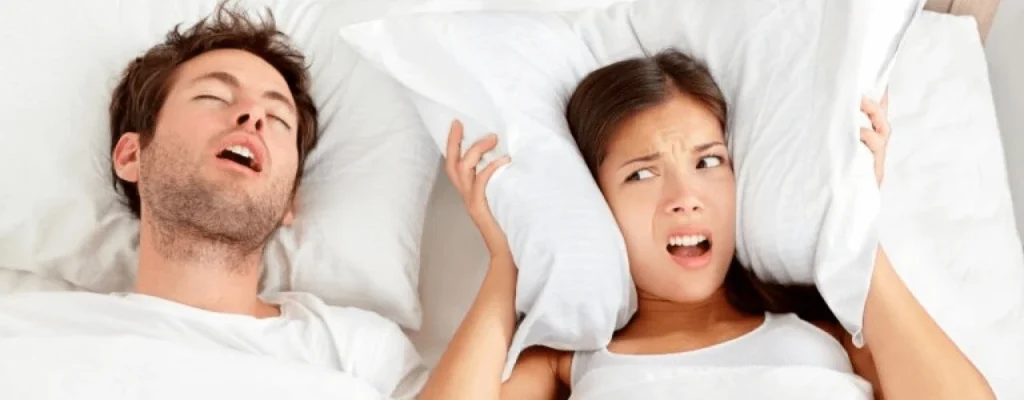
Snoring is louder than ever in group chats, travel stories, and relationship jokes. The problem is that some trends can backfire.
Thesis: If snoring is wrecking sleep quality, focus on safe airflow basics first—then use an anti snoring mouthpiece the right way.
What people are trying right now (and why it’s messy)
Sleep has become a mini-industry. Smart rings, white-noise apps, and “biohacker” routines are everywhere. So are quick fixes.
One trend getting attention is mouth taping at night. It’s popular because it looks simple. Recent coverage has also highlighted expert concerns about safety and unintended risks.
If you want a cultural shorthand: this is the same energy as wearing compression socks on a red-eye flight and calling it “recovery.” Sometimes it helps. Sometimes it distracts from the real issue.
A winter snoring spike is a real conversation
People also report louder snoring in colder months. Dry indoor heat, seasonal congestion, and sleeping with a stuffy nose can all push you toward mouth breathing.
That matters because mouth breathing can worsen vibration in the throat and make snoring more likely.
What matters medically (without the drama)
Snoring happens when airflow gets turbulent and soft tissue vibrates. It can be “just snoring,” but it can also sit near the sleep apnea spectrum.
Poor sleep quality isn’t only about feeling cranky. It can affect focus, mood, and next-day performance. Heart health organizations also emphasize that consistently poor sleep is not something to shrug off.
Snoring vs. sleep apnea: the key difference
Snoring is noise. Obstructive sleep apnea involves repeated airway collapse and breathing disruptions. You can’t confirm apnea from a video clip or a partner’s complaint alone.
Use practical red flags. If you see them, skip DIY heroics and get evaluated.
- Choking or gasping during sleep
- Witnessed breathing pauses
- Major daytime sleepiness or morning headaches
- High blood pressure or new/worsening fatigue
Medical disclaimer: This article is general education, not medical advice. If you suspect sleep apnea or have significant symptoms, talk with a qualified clinician for diagnosis and treatment options.
How to try at home (safe steps first)
Think of this as a ladder. Start with the lowest-risk rungs and move up only if needed.
Step 1: Fix the “air and angle” basics
These changes are boring. They also work surprisingly often.
- Side-sleep setup: Use a body pillow or a backpack-style bumper to reduce back sleeping.
- Nasal support: Saline rinse, shower steam, or nasal strips can help when congestion drives mouth breathing.
- Bedroom humidity: If winter air is dry, consider a humidifier and keep the room comfortably cool.
- Alcohol timing: Avoid nightcaps close to bed; throat muscles relax and snoring can ramp up.
Step 2: Consider an anti snoring mouthpiece (what it actually does)
An anti snoring mouthpiece is designed to improve airflow by changing jaw or tongue position during sleep. The goal is simple: reduce airway narrowing and vibration.
Two common styles you’ll see:
- Mandibular advancement devices (MADs): Nudge the lower jaw forward.
- Tongue-retaining devices (TRDs): Hold the tongue forward to keep it from falling back.
Comfort matters as much as the concept. A device you can’t tolerate won’t help your sleep quality.
Step 3: Use a “comfort + technique” checklist (fit, positioning, cleanup)
Most failures happen here, not because mouthpieces “don’t work.”
- Start low and slow: Wear it for short periods before sleep for a few nights.
- Jaw position: Aim for gentle advancement, not maximum forward force.
- Lip seal without forcing it: You want easy nasal breathing, not a clenched face.
- Morning reset: If your bite feels “off,” give your jaw time to settle before chewing tough foods.
- Cleanup routine: Rinse after use and clean daily per product directions; store it dry.
If you’re comparing devices, start here: anti snoring mouthpiece.
When to stop experimenting and get help
DIY is fine until it isn’t. Get professional input if symptoms suggest apnea, if snoring is paired with major daytime impairment, or if your partner reports breathing pauses.
Also pause mouthpiece use and ask a dentist/clinician if you develop persistent jaw pain, tooth pain, or noticeable bite changes.
For context on why experts are cautious about viral mouth-taping, see: Scientists warn against viral nighttime mouth-taping trend.
FAQ: quick answers people want before bed
Do mouthpieces help everyone who snores?
No. They tend to help more when snoring is related to jaw/tongue position and mild-to-moderate airway narrowing. Nasal blockage and apnea need different strategies.
What if my snoring is worse after travel?
Travel fatigue, alcohol, back-sleeping in a new bed, and dry hotel air can all spike snoring. Hydration, nasal support, and side-sleeping help. A mouthpiece may be useful if position is the main trigger.
Can workplace burnout make snoring worse?
Stress can worsen sleep quality and increase fragmented sleep. It doesn’t directly “cause” snoring, but it can amplify habits that do, like alcohol use, irregular sleep timing, or weight changes.
CTA: pick a safer path than viral hacks
If snoring is affecting your sleep, skip the risky shortcuts. Start with airflow basics, then test a mouthpiece with a comfort-first approach.