
Blog Post: Ways to Improve Air Quality for Snorers with Chronic Sinusitis
Chronic sinusitis is a common condition that affects millions of people worldwide. It is characterized by inflammation and swelling of the sinuses, causing difficulty in breathing and often leading to snoring. Snoring itself can be a nuisance, but when combined with chronic sinusitis, it can become a serious health issue. The constant snoring can disrupt sleep patterns, cause fatigue and even lead to more severe health problems like high blood pressure and heart disease. However, there are ways to improve air quality for snorers with chronic sinusitis, which can help alleviate the symptoms and improve overall quality of life.
1. Keep the Bedroom Clean and Dust-Free
One of the most effective ways to improve air quality for snorers with chronic sinusitis is to keep the bedroom clean and dust-free. Dust mites and other allergens can irritate the sinuses and worsen the symptoms of chronic sinusitis. Therefore, it is essential to regularly vacuum and dust the bedroom to remove any dust or allergens that may be present. Wash the bed linens and pillowcases frequently in hot water to kill any dust mites. Additionally, avoid having carpets and heavy drapes in the bedroom as they can trap dust and make the air quality worse.
2. Invest in an Air Purifier
An air purifier is a useful tool in improving air quality for snorers with chronic sinusitis. These devices filter out allergens, dust, and other pollutants from the air, making it cleaner and easier to breathe. Look for an air purifier with a HEPA filter, which can capture even the tiniest particles, including dust mites and pet dander. Place the air purifier in the bedroom to ensure that the air you breathe while sleeping is clean and free of irritants.
3. Use a Humidifier
Dry air can irritate the sinuses and make breathing difficult for snorers with chronic sinusitis. A humidifier adds moisture to the air, helping to alleviate congestion and improve air quality. Choose a cool-mist humidifier, which is more effective in adding moisture to the air than warm-mist humidifiers. However, be sure to clean and maintain the humidifier regularly to prevent mold and bacteria from growing.
4. Keep the Windows Closed
While fresh air is essential for good health, it can be detrimental to snorers with chronic sinusitis. Pollen, dust, and other allergens can enter the bedroom through open windows, making the air quality worse. Therefore, keep the windows closed, especially during peak pollen seasons, to prevent these irritants from entering the bedroom. If you need to open the windows for ventilation, do so at times when the pollen count is low, like early mornings or late evenings.
5. Use Essential Oils
Certain essential oils have anti-inflammatory and decongestant properties that can help improve air quality for snorers with chronic sinusitis. Eucalyptus, peppermint, and tea tree oils are some of the best oils for congestion and sinus relief. Use a diffuser to disperse the oils into the air and breathe in the soothing vapors. However, be sure to use high-quality, pure essential oils and follow the recommended dilution ratios to avoid any adverse reactions.
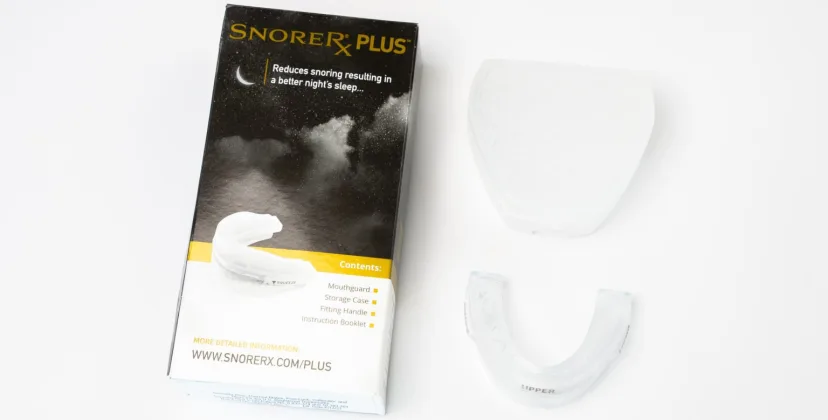
Ways to Improve Air Quality for Snorers with Chronic Sinusitis
6. Keep Pets out of the Bedroom
Pets can be a significant source of allergens, especially for those with chronic sinusitis. Their fur, dander, and saliva can trigger allergies and irritate the sinuses, making it difficult for snorers to breathe. Therefore, it is best to keep pets out of the bedroom, especially if they like to sleep on the bed. If you cannot keep them out of the bedroom, consider giving them a bath regularly to reduce the amount of allergens they carry.
7. Quit Smoking
Smoking is not only harmful to overall health, but it can also worsen the symptoms of chronic sinusitis. The chemicals in cigarettes irritate the sinus lining, making it difficult for snorers with chronic sinusitis to breathe. Additionally, secondhand smoke can also be harmful, so it is best to quit smoking or avoid being around others who smoke.
8. Stay Hydrated
Drinking plenty of water throughout the day can help thin out mucus and relieve congestion, making it easier to breathe. Staying hydrated can also help reduce the severity of other sinusitis symptoms, such as headaches and facial pain. Aim to drink at least eight glasses of water a day and avoid dehydrating beverages like alcohol and caffeinated drinks.
9. Use Nasal Irrigation
Nasal irrigation is a method of flushing out the sinuses with a saline solution. It helps to clear out mucus and allergens from the nasal passages, providing relief for snorers with chronic sinusitis. You can use a nasal irrigation kit or a neti pot to perform this method, but be sure to use distilled or boiled water to avoid any potential infections.
10. Consult a Doctor
If your chronic sinusitis is severe and affecting your quality of life, it is essential to consult a doctor. They can prescribe medication to help reduce inflammation and congestion in the sinuses, making it easier to breathe and reducing snoring. They may also recommend other treatments like allergy shots or surgery, depending on the severity of the condition.
In conclusion, improving air quality for snorers with chronic sinusitis can greatly alleviate the symptoms and improve overall health. By keeping the bedroom clean, using air purifiers and humidifiers, and following other tips mentioned above, snorers with chronic sinusitis can breathe easier and get a good night’s sleep. However, if the symptoms persist, it is crucial to consult a doctor for proper diagnosis and treatment.
Summary:
Chronic sinusitis can be a challenging condition to live with, especially for snorers. The constant snoring can disrupt sleep and lead to other health problems. However, there are ways to improve air quality for snorers with chronic sinusitis, such as keeping the bedroom clean and dust-free, using air purifiers and humidifiers, and avoiding irritants like smoking and pets. Additionally, staying hydrated and using essential oils and nasal irrigation can also help alleviate symptoms. If the condition persists, it is best to consult a doctor for proper diagnosis and treatment.