
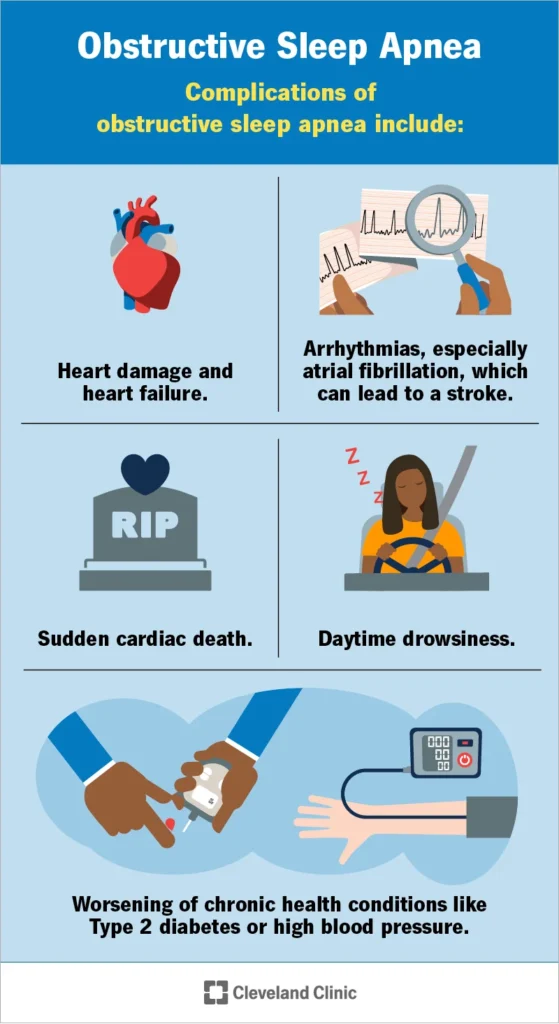
Snoring is a common problem that affects millions of people worldwide. While it may seem like a harmless habit, it can actually have negative effects on both the snorer and their sleeping partner. Heavy snoring can disrupt sleep, cause daytime fatigue, and even lead to more serious health issues such as sleep apnea. Fortunately, there are solutions available to help heavy snorers, and one of them is using a mouthpiece specifically designed for snoring. In this blog post, we will discuss everything you need to know about mouthpieces for heavy snorers.
First, we will explain what causes snoring and why some people snore more heavily than others. Snoring occurs when the flow of air through the nose and mouth is obstructed, causing the tissues in the throat to vibrate. This can be due to various factors such as the anatomy of the mouth and throat, sleeping position, allergies, and even lifestyle habits like smoking or alcohol consumption. People who are overweight or have sleep apnea are also more likely to snore heavily.
Next, we will discuss how mouthpieces work to reduce snoring. There are two types of mouthpieces for snoring: mandibular advancement devices (MADs) and tongue retaining devices (TRDs). MADs work by holding the lower jaw in a forward position, which helps to keep the airway open and reduce snoring. TRDs, on the other hand, hold the tongue in place to prevent it from falling back and blocking the airway. Both types of mouthpieces are designed to keep the airway open and reduce the vibrations that cause snoring.
It is important to note that not all mouthpieces work for everyone. Each person’s mouth and throat anatomy are unique, and what may work for one person may not work for another. It is essential to consult with a healthcare professional before using a mouthpiece to ensure that it is the right fit for you. They may also recommend a custom-made mouthpiece that is tailored to your specific needs.
What You Need to Know About Mouthpieces for Heavy Snorers
When choosing a mouthpiece, there are a few factors to consider. The first is comfort. It is crucial to find a mouthpiece that is comfortable to wear, as you will be wearing it for several hours every night. Most mouthpieces can be adjusted to fit your mouth properly, but some may take a few nights to get used to. Another factor to consider is the material of the mouthpiece. Most are made of silicone or a similar flexible material, but some may have a harder plastic or metal component. It is important to choose a material that is durable and safe for your mouth.
The fit of the mouthpiece is also crucial. It should fit snugly but not too tight, as this can cause discomfort or even damage to your teeth and gums. Some mouthpieces come with an adjustment process that allows you to customize the fit, while others may require a visit to the dentist to ensure the proper fit.
It is also essential to clean your mouthpiece regularly. Bacteria can build up on the mouthpiece, leading to an unpleasant odor and potential health risks. Most mouthpieces come with cleaning instructions, and it is important to follow them to ensure proper hygiene. Some mouthpieces can also be placed in a denture cleaner or boiled in water to disinfect them.
In addition to mouthpieces, there are other lifestyle changes that can help reduce snoring. Losing weight, avoiding alcohol and smoking, and maintaining a regular sleep schedule can all contribute to better sleep and less snoring. It is also important to address any underlying health issues such as allergies or sleep apnea that may be contributing to snoring.
In summary, heavy snoring can be a disruptive and potentially harmful issue for both the snorer and their sleeping partner. Mouthpieces for snoring can be an effective solution for reducing snoring and improving sleep quality. However, it is essential to consult with a healthcare professional and consider factors such as comfort, fit, and hygiene when choosing a mouthpiece. Additionally, making lifestyle changes and addressing any underlying health issues can also help reduce snoring. With the right approach, heavy snorers can find relief and improve their overall well-being.