
At 2:14 a.m., someone on the couch scrolls sleep-gadget videos with one eye open. Their partner is snoring in the bedroom like a tiny leaf blower. Tomorrow is a big meeting, and the patience meter is empty.
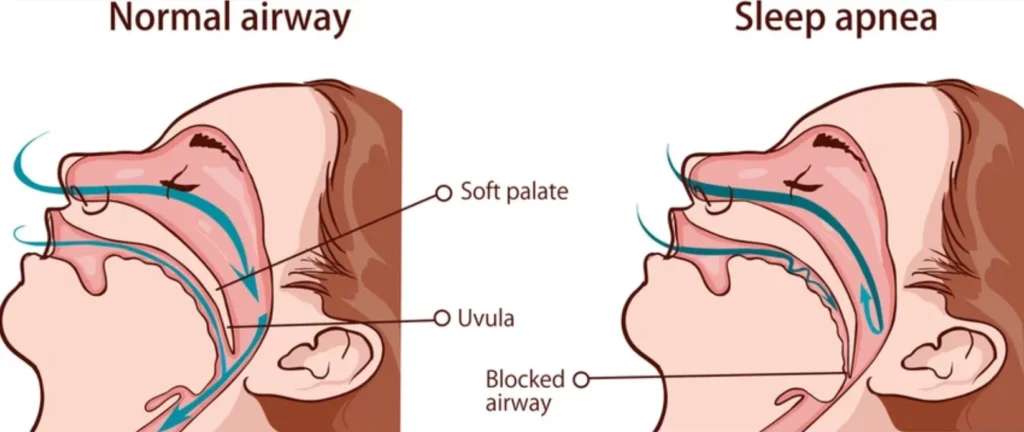
That’s the part people joke about. The less funny part is what happens the next day: irritability, brain fog, and that weird sense that your body never fully “powered down.” If snoring is showing up in your relationship, your travel recovery, or your burnout cycle, you’re not alone.
Overview: what’s “in the air” about snoring and sleep right now
Sleep has become a full-on culture topic. People compare trackers, debate hacks, and swap tips in group chats like it’s a sport. Some try structured routines (the kind with countdown numbers). Others experiment with viral ideas like mouth taping, or they reach for simple add-ons like nasal strips.
Public conversations also highlight that breathing issues can be real and frustrating. When someone mentions struggling to breathe at night due to a structural issue like a deviated septum, it’s a reminder: snoring isn’t always just “noise.” It can be a signal that airflow is compromised in some way.
And on the medical side, sleep apnea keeps coming up for good reason. It’s not the same as everyday snoring, but the overlap is big enough that red flags matter.
If you want a quick example of the broader conversation around nasal breathing aids, see this related coverage: Divyanka Tripathi opens up about having a ‘deviated septum’, using nose strips before sleeping: ‘I struggle to breathe’.
Timing: when to address snoring (and when not to wait)
Best time to start: a week when your schedule is stable. New sleep gear can take a few nights to feel normal. Starting right before a red-eye flight or a deadline usually backfires.
Fast-track it if snoring is triggering conflict. The emotional load is real. Resentment grows when one person becomes the “sleep police” and the other feels blamed.
Don’t delay medical questions if any of these show up: witnessed pauses in breathing, choking/gasping, morning headaches, high daytime sleepiness, or high blood pressure concerns. Those signs can fit sleep apnea patterns, and that needs clinician-led evaluation.
Supplies: a simple kit for calmer nights
- Anti snoring mouthpiece (if your snoring is likely jaw/tongue-position related)
- Basic comfort items: water at bedside, lip balm, and a small case for storage
- Nasal support (optional): saline rinse or nasal strips if congestion is a factor
- Sleep environment basics: cooler room, consistent lights-out, and fewer late-night stimulants
If you’re comparing products, here’s a starting point for browsing anti snoring mouthpiece.
Step-by-step (ICI): Identify → Choose → Integrate
1) Identify what’s driving the snore pattern
Snoring is vibration from airflow meeting resistance. The “where” varies. For many people, it’s tied to sleep position, jaw relaxation, alcohol close to bedtime, or nasal blockage.
Use a quick, low-drama check-in instead of a debate. Try: “What nights are worst?” Travel fatigue, late meals, and stress spikes often correlate. That’s useful data, not a moral failing.
2) Choose the intervention that matches the likely cause
If back-sleeping makes it worse, positional changes may help. A mouthpiece can also be relevant if the lower jaw drops back and narrows airflow.
If congestion dominates, nasal strategies may matter more. Some people still snore with perfect nasal airflow, but clearing the nose can reduce resistance.
If you see red flags, don’t DIY your way through it. Sleep apnea needs proper evaluation. Also note: connected-care oral appliances and monitored approaches are getting attention in the sleep world, which reflects a bigger trend toward tracking and clinician involvement.
3) Integrate the mouthpiece into a routine you’ll actually follow
Consistency beats intensity. A mouthpiece works best when it’s part of a repeatable wind-down, not a “panic purchase” used twice.
- Fit and comfort first. Follow the product instructions closely. If it feels aggressively tight, don’t “tough it out.”
- Start with a ramp-up. Wear it for short periods before sleep for a couple of nights if needed. That helps your jaw adapt.
- Pair it with one sleep-quality habit. Pick one: earlier caffeine cutoff, a short screen-free buffer, or a consistent wake time.
- Track outcomes simply. Ask: Did we both sleep better? Fewer wake-ups? Less morning dryness? Keep it to 2–3 metrics.
Mistakes that keep couples stuck in the snore loop
Turning snoring into a character flaw
Snoring is a body-mechanics issue, not a personality trait. Blame triggers defensiveness, and defensiveness kills follow-through.
Chasing every trend at once
It’s easy to stack hacks: taped mouth, new pillow, tracker, nasal strips, supplements, and a mouthpiece—overnight. That makes it impossible to know what helped and can create safety issues.
Ignoring jaw or tooth discomfort
Jaw pain, tooth soreness, or bite changes aren’t “normal adjustment” you should accept indefinitely. Pause and reassess fit and approach.
Missing the bigger sleep-quality picture
Even if the room gets quieter, sleep can still be poor due to stress, late-night work, or irregular schedules. Quiet is great. Restorative sleep is the goal.
FAQ: quick answers people want before they commit
Is snoring just annoying, or can it be serious?
It can be either. Many cases are benign, but snoring plus breathing pauses, gasping, or major daytime sleepiness deserves medical attention.
Will a mouthpiece help if my partner says I snore only sometimes?
Possibly. “Sometimes” often means triggers are involved (alcohol, congestion, back-sleeping, stress). Addressing triggers plus a mouthpiece can be a practical combo.
What about viral mouth taping?
People talk about it for nasal-breathing goals, but it’s not a universal fit and may be unsafe for some. If you have nasal obstruction, reflux risk, or possible sleep apnea symptoms, get guidance before trying it.
CTA: make the next night easier on both of you
You don’t need a perfect sleep setup. You need a plan you can repeat without arguing at midnight. If you’re ready to explore a mouthpiece approach, start here and keep it simple.
How do anti-snoring mouthpieces work?
Medical disclaimer: This article is for general information only and isn’t medical advice. Snoring can have many causes, including conditions that require diagnosis and treatment. If you suspect sleep apnea or have persistent symptoms (gasping, breathing pauses, chest pain, severe daytime sleepiness, or jaw/tooth pain with an oral device), consult a qualified healthcare professional.