
Yoga Poses to Help with Nasal Congestion and Snoring: A Natural Solution
Nasal congestion and snoring can be incredibly frustrating and disruptive, affecting both our sleep quality and overall well-being. While there are various medical treatments available, many people are turning to natural remedies to alleviate these issues. One such natural solution is yoga, which not only has a calming effect on the mind and body, but also offers specific poses that can help with nasal congestion and snoring. In this blog post, we will explore some of the best yoga poses that can provide relief for these common problems.
1. Jala Neti (Nasal Cleansing)
Jala Neti is an ancient yogic technique that involves cleansing the nasal passages with salt water. It helps to clear any blockages and congestion in the sinuses, reducing inflammation and improving breathing. To perform this pose, you will need a neti pot, which is a small vessel with a spout. Fill the neti pot with lukewarm water and add a teaspoon of salt. Tilt your head to the side and gently pour the water in one nostril while breathing through your mouth. The water will flow out of the other nostril, clearing out any mucus or debris. Repeat on the other side and then blow your nose to remove any remaining water.
2. Bhujangasana (Cobra Pose)
Bhujangasana, also known as Cobra Pose, is a gentle backbend that can help to open up the chest and improve breathing. It also stretches the neck and shoulders, releasing any tension that may contribute to snoring. To perform this pose, lie on your stomach with your palms flat on the ground beside your chest. Inhale and lift your head, chest, and shoulders off the ground, keeping your elbows close to your sides. Hold for a few breaths and then release back to the ground.
3. Salamba Sarvangasana (Supported Shoulderstand)
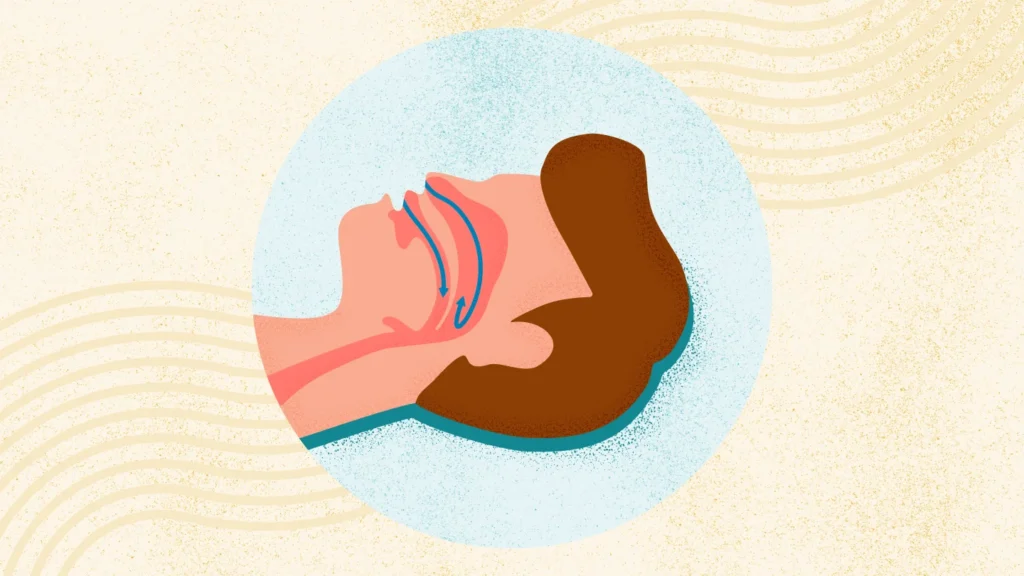
Yoga Poses to Help with Nasal Congestion and Snoring
Salamba Sarvangasana, or Supported Shoulderstand, is a restorative pose that can help to relieve nasal congestion and improve sleep quality. It increases blood flow to the head and face, reducing inflammation and clearing out any blockages in the sinuses. To perform this pose, lie on your back with your arms by your sides. Lift your legs up towards the ceiling, using your hands to support your lower back. Allow your feet to come over your head, resting your toes on the ground behind you. Hold for a few breaths and then slowly release back to the ground.
4. Simhasana (Lion Pose)
Simhasana, or Lion Pose, is a simple yet effective pose for reducing snoring. It involves stretching the tongue and facial muscles, which can help to strengthen the throat and reduce snoring. To perform this pose, sit in a comfortable cross-legged position. Place your hands on your knees and open your mouth wide, sticking out your tongue as far as you can. Take a deep breath in through your nose and then exhale forcefully through your mouth, making a “ha” sound. Repeat a few times to release tension in the throat and face.
5. Matsyasana (Fish Pose)
Matsyasana, or Fish Pose, is another backbend that can help to open up the chest and improve breathing. It also stimulates the thyroid gland, which can help to regulate the production of mucus and reduce congestion. To perform this pose, lie on your back with your legs extended and your arms by your sides. Place your hands under your hips, palms facing down. Inhale and lift your chest and head off the ground, keeping your elbows close to your sides. Hold for a few breaths and then release back to the ground.
In addition to these specific poses, practicing yoga regularly can have a positive impact on overall respiratory health. It can help to strengthen the muscles involved in breathing, improve lung capacity, and reduce stress and anxiety, which can contribute to nasal congestion and snoring. Incorporating deep breathing techniques, or pranayama, into your yoga practice can also be beneficial for respiratory issues.
In conclusion, yoga offers a natural and holistic approach to dealing with nasal congestion and snoring. By incorporating these poses into your regular practice, you can improve your breathing and sleep quality, ultimately leading to a better quality of life. Remember to always listen to your body and modify poses as needed, and consult a doctor if you have any underlying medical conditions.